
Print Profile(1)
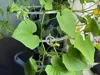
Description
🌿 Modular Hydroponic Tower (Smart Garden with Arduino)
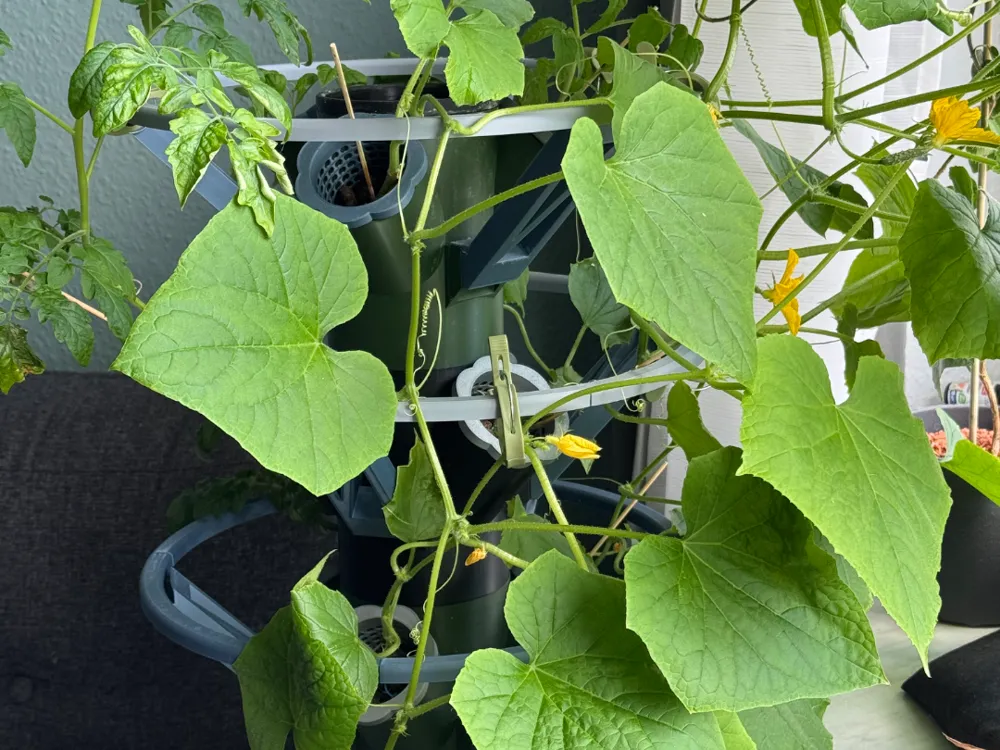
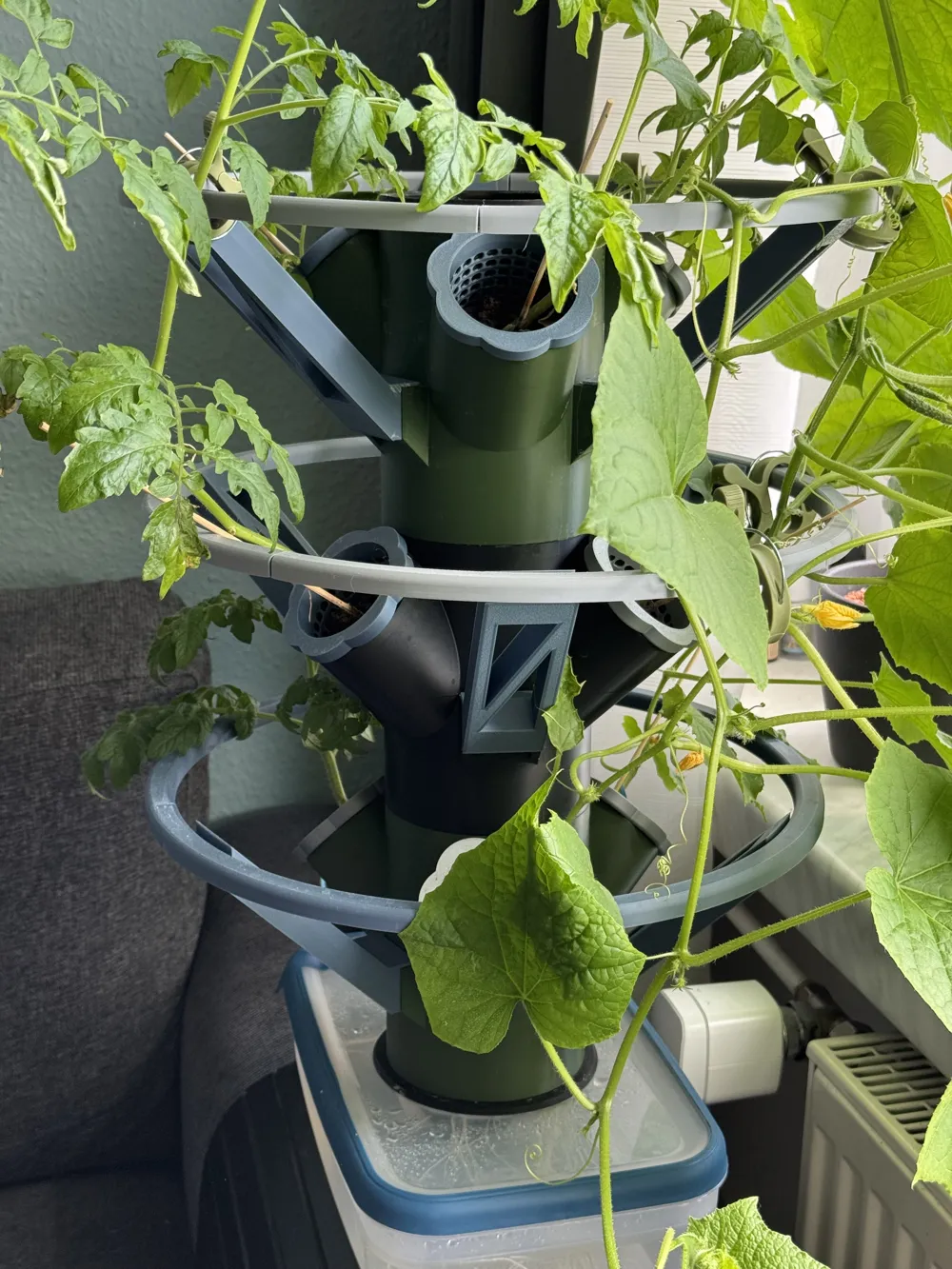
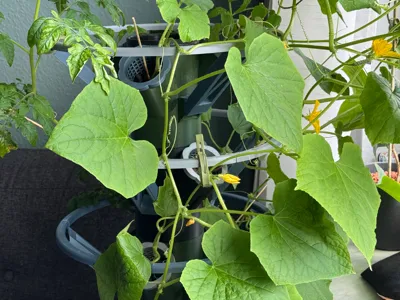
Bring the future of gardening home! With this modular hydroponic tower, you can grow herbs, lettuce, or strawberries vertically in a space-saving, clean, and highly efficient way.
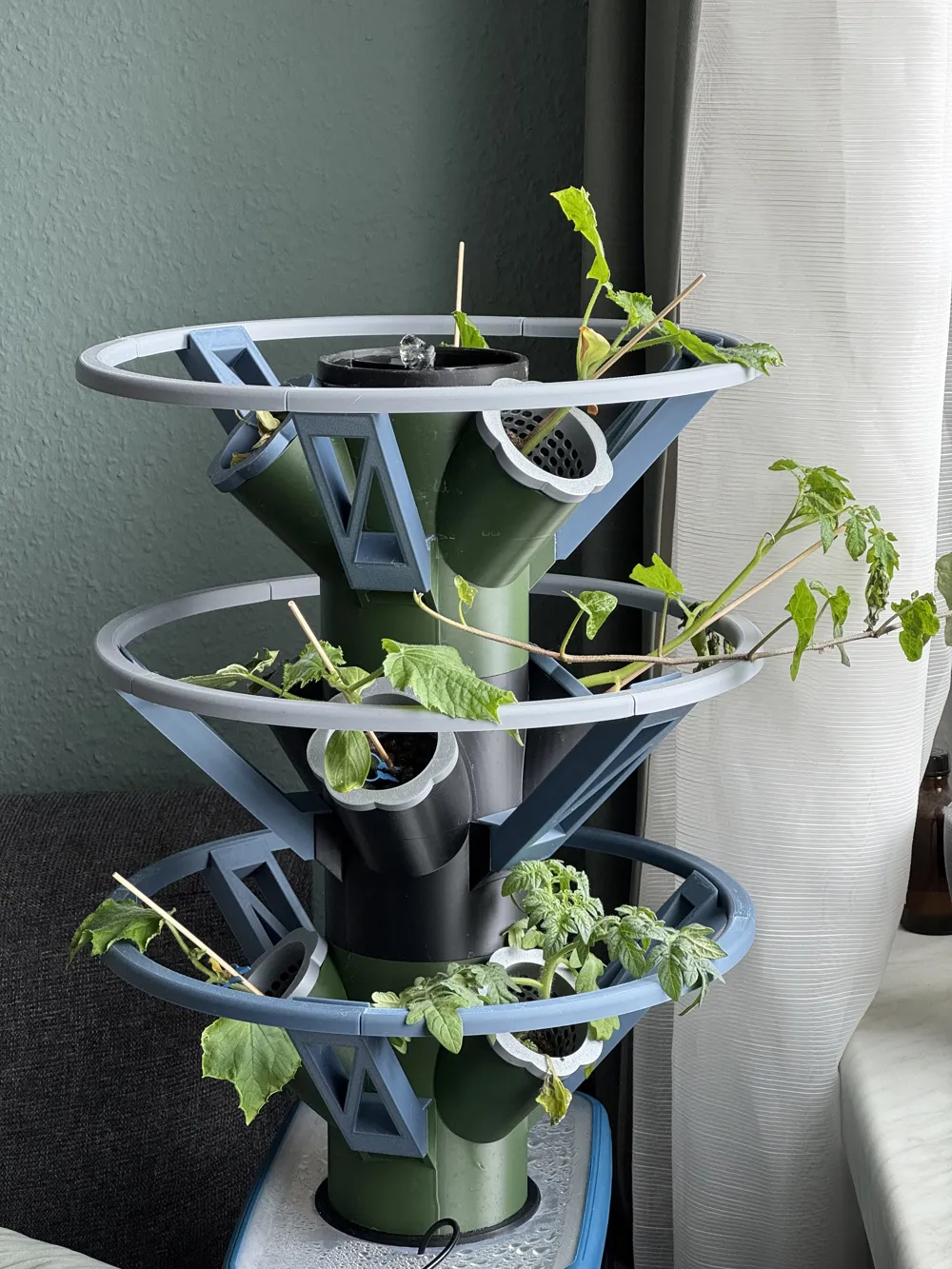
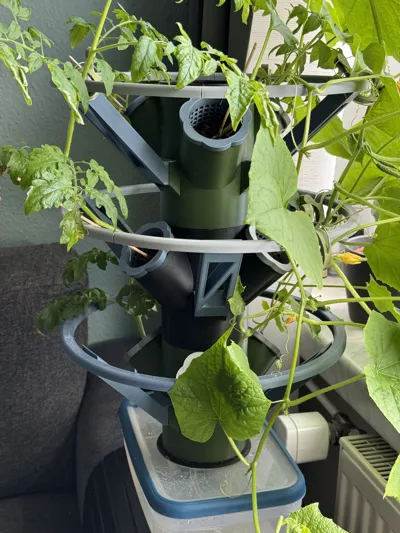
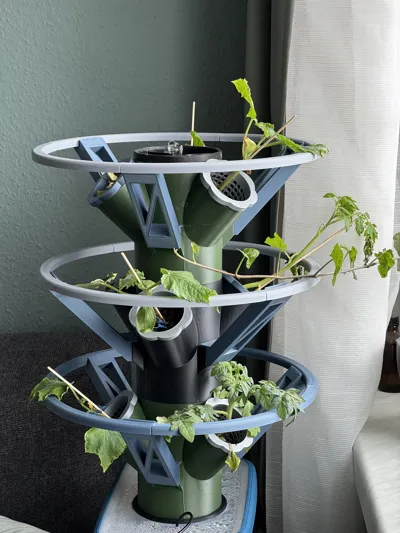
The design is fully modular: You decide how tall your tower will be! Simply print as many plant elements as you want and securely stack them together.
💡 System Overview
- Substrate: Simple expanded clay pebbles are used as the growing medium for the plants. This provides perfect support for the roots with maximum aeration.
- Irrigation: A compact 5V water pump transports the water with nutrients to the top of the tower, from where it evenly trickles down through all modules.
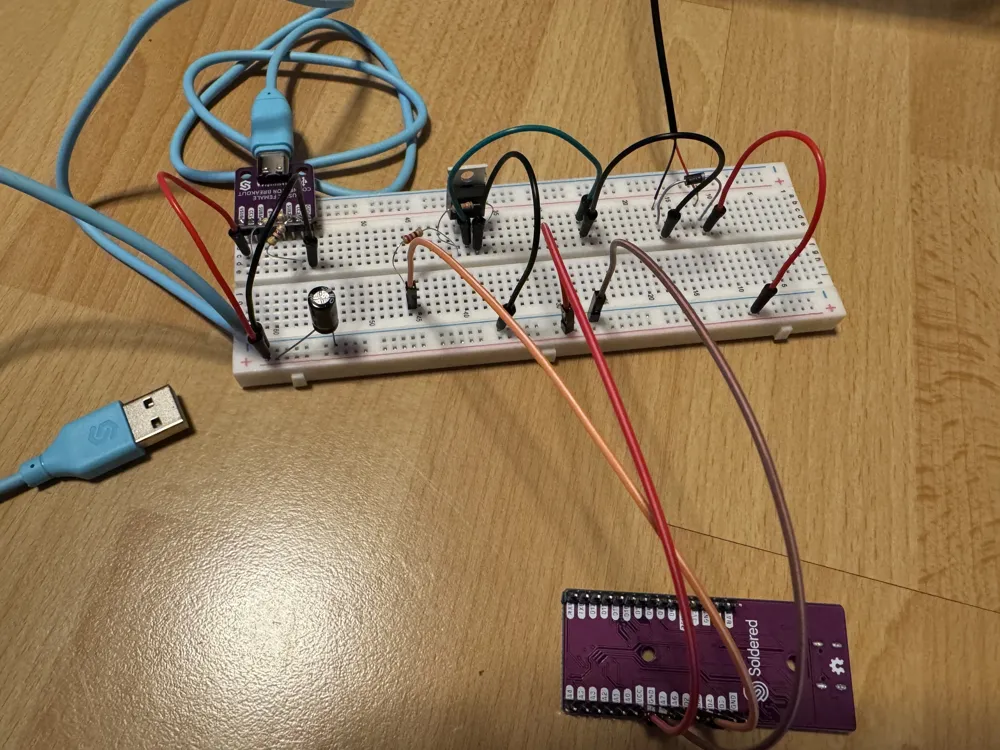
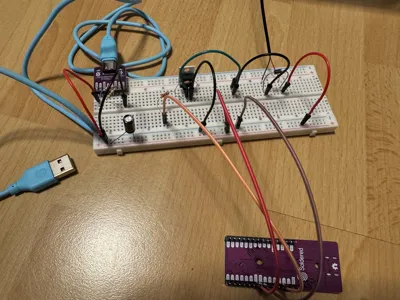
- Smart Control: The pump is controlled by a simple transistor circuit from an Arduino. This allows the irrigation to be perfectly automated (e.g., turning on for 5 minutes every 30 minutes), saving water and electricity.
🛠️ Required Components
3D-Printed Parts:
- 1x Base / Lid for the water tank
- Xx Plant modules (stackable as desired)
- 1x Tower top (water distributor)
- Xx Plant pots / Inserts (for the expanded clay pebbles)
- Xx Supports for rings
- Xx Rings
Electronics & Hardware:
- Microcontroller: 1x Arduino (e.g., Nano or Uno)
- Pump: 1x 5V Mini submersible pump (incl. suitable hose leading upwards)
- Transistor: 1x Logic Level MOSFET Transistor (IRLZ44N) for safely switching the pump via the Arduino
- Resistor: 1x 1k Ohm resistor (for the transistor base), 1x 100 Ohm for protecting the Arduino control pin, 2x 10k Ohm for the USB-Breakout
- Flyback diode: 1x 1N4007 Diode (to protect the Arduino from pump back-currents)
- Capacitor: 1x Electrolytic capacitor 470µF
- Arduino Nano
- USB-Breakout
- Power Supply: 5V power adapter (or USB)
- Substrate: Expanded clay pebbles (approx. 6-10mm grain size)
🖨️ Printing Recommendations
Since the parts are constantly in contact with water and nutrients, please note the following:
- Material: PETG (preferred) or PLA Tough. PETG is naturally more water-resistant and food-safe than standard PLA.
- Walls / Perimeter: At least 3–4 wall lines. This increases stability and ensures the modules are completely watertight.
- Infill: 15% (Gyroid)
🔌 Electronics & Code Note
A possible code for the Arduino would be:
// Pin definition
const int pumpPin = 3;
// Time intervals in milliseconds
const unsigned long runTime = 300000; // 5 minutes
const unsigned long pauseTime = 1800000; // 30 minutes
void setup() {
pinMode(pumpPin, OUTPUT);
// Ensure the pump is off at startup
digitalWrite(pumpPin, LOW);
}
void loop() {
// Turn on pump for 5 minutes
digitalWrite(pumpPin, HIGH);
delay(runTime);
// Turn off pump for 30 minutes
digitalWrite(pumpPin, LOW);
delay(pauseTime);
}
Alternative:
Get a pump with a power adapter and control it via a Wi-Fi smart plug.
Boost Me (for free)
For more creative ideas, please leave me a boost.
Feel free to check out my page for many more creative solutions.
License

You shall not share, sub-license, sell, rent, host, transfer, or distribute in any way the digital or 3D printed versions of this object, nor any other derivative work of this object in its digital or physical format (including - but not limited to - remixes of this object, and hosting on other digital platforms). The objects may not be used without permission in any way whatsoever in which you charge money, or collect fees.


Comment & Rating (0)