
rickshaw

Print Profile(1)

Description
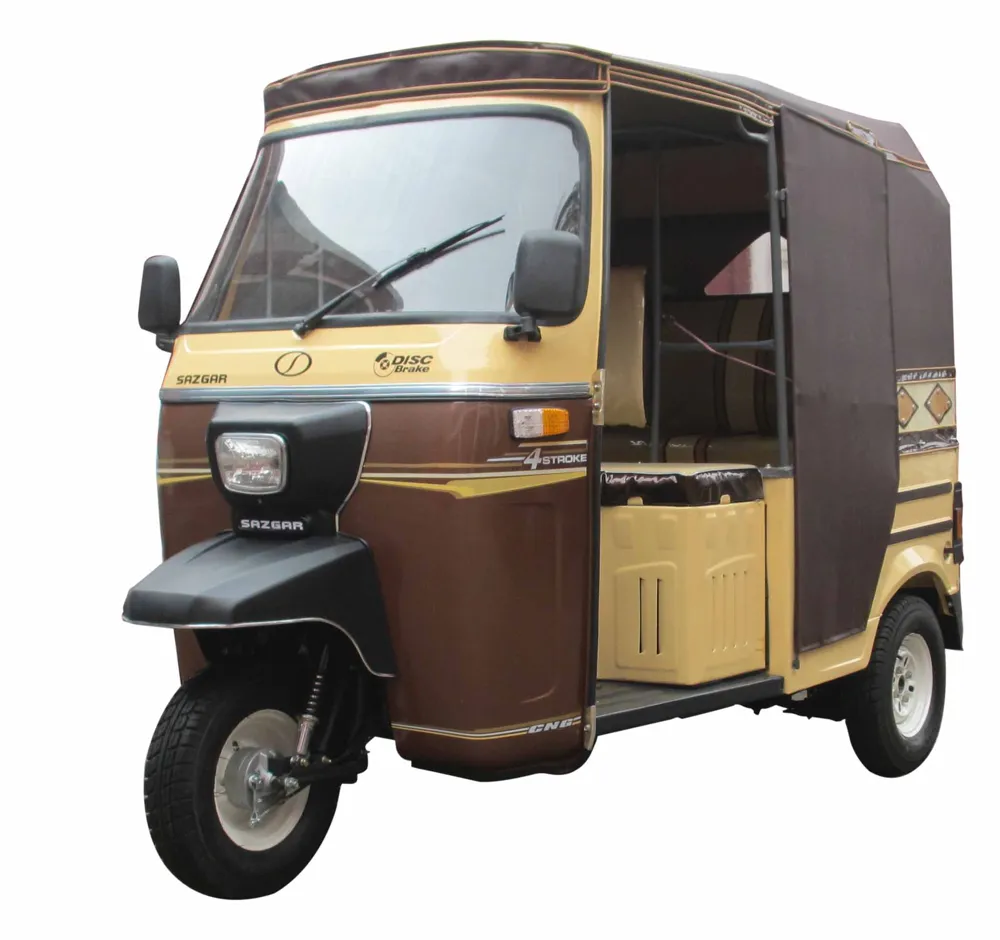
The rickshaw was invented in Japan in 1869, with competing claims for its creation often citing the American missionary Jonathan Goble or a group of three Japanese men led by Yosuke Izumi. Named jinrikisha (jin = human, riki = power, sha = vehicle), the human-powered vehicle quickly spread across Asia as a cheap and efficient mode of transport. Over time, it evolved into cycle rickshaws, auto rickshaws, and electric rickshaws, which are still in use today, though the original hand-pulled version has declined due to the rise of automobiles and labor conditions.
Invention of the first rickshaws
- Contested origins: The invention is credited to either American missionary Jonathan Goble in 1869 to help his invalid wife in Yokohama, or three Japanese men—Yosuke Izumi, Tokujiro Suzuki, and Kosuke Takayama—who registered their design in Tokyo in 1870.
- A Japanese innovation: The rickshaw emerged in Japan shortly after the Meiji Restoration and the lifting of restrictions on wheeled vehicles.
Spread and evolution
- Rapid adoption: The simple, two-wheeled design, which used "superior Western wheels" for a smoother ride than earlier sedan chairs, quickly became popular across Asia and parts of Africa.
- New employment: It provided an inexpensive source of employment for many rural migrants working as pullers in urban areas, though it was often a physically demanding and low-paying job.
- New forms of rickshaws: In the 1930s, the hand-pulled rickshaw began to be replaced by its "offspring": the cycle rickshaw (also known as a trishaw or pedicab), and later, the auto rickshaw, which uses a motor.
- Decline and modern use: The popularity of hand-pulled rickshaws declined as cars and trains became more common and as the work of pulling became viewed as oppressive. However, they are still used for tourism, while the modern auto and cycle rickshaws remain a vital and low-cost mode of transport in many parts of the world. The rickshaw was invented in Japan in 1869, with competing claims for its creation often citing the American missionary Jonathan Goble or a group of three Japanese men led by Yosuke Izumi. Named jinrikisha (jin = human, riki = power, sha = vehicle), the human-powered vehicle quickly spread across Asia as a cheap and efficient mode of transport. Over time, it evolved into cycle rickshaws, auto rickshaws, and electric rickshaws, which are still in use today, though the original hand-pulled version has declined due to the rise of automobiles and labor conditions.
Invention of the first rickshaws
- Contested origins: The invention is credited to either American missionary Jonathan Goble in 1869 to help his invalid wife in Yokohama, or three Japanese men—Yosuke Izumi, Tokujiro Suzuki, and Kosuke Takayama—who registered their design in Tokyo in 1870.
- A Japanese innovation: The rickshaw emerged in Japan shortly after the Meiji Restoration and the lifting of restrictions on wheeled vehicles.
Spread and evolution
- Rapid adoption: The simple, two-wheeled design, which used "superior Western wheels" for a smoother ride than earlier sedan chairs, quickly became popular across Asia and parts of Africa.
- New employment: It provided an inexpensive source of employment for many rural migrants working as pullers in urban areas, though it was often a physically demanding and low-paying job.
- New forms of rickshaws: In the 1930s, the hand-pulled rickshaw began to be replaced by its "offspring": the cycle rickshaw (also known as a trishaw or pedicab), and later, the auto rickshaw, which uses a motor.
- Decline and modern use: The popularity of hand-pulled rickshaws declined as cars and trains became more common and as the work of pulling became viewed as oppressive. However, they are still used for tourism, while the modern auto and cycle rickshaws remain a vital and low-cost mode of transport in many parts of the world. The rickshaw was invented in Japan in 1869, with competing claims for its creation often citing the American missionary Jonathan Goble or a group of three Japanese men led by Yosuke Izumi. Named jinrikisha (jin = human, riki = power, sha = vehicle), the human-powered vehicle quickly spread across Asia as a cheap and efficient mode of transport. Over time, it evolved into cycle rickshaws, auto rickshaws, and electric rickshaws, which are still in use today, though the original hand-pulled version has declined due to the rise of automobiles and labor conditions.
Invention of the first rickshaws
- Contested origins: The invention is credited to either American missionary Jonathan Goble in 1869 to help his invalid wife in Yokohama, or three Japanese men—Yosuke Izumi, Tokujiro Suzuki, and Kosuke Takayama—who registered their design in Tokyo in 1870.
- A Japanese innovation: The rickshaw emerged in Japan shortly after the Meiji Restoration and the lifting of restrictions on wheeled vehicles.
Spread and evolution
- Rapid adoption: The simple, two-wheeled design, which used "superior Western wheels" for a smoother ride than earlier sedan chairs, quickly became popular across Asia and parts of Africa.
- New employment: It provided an inexpensive source of employment for many rural migrants working as pullers in urban areas, though it was often a physically demanding and low-paying job.
- New forms of rickshaws: In the 1930s, the hand-pulled rickshaw began to be replaced by its "offspring": the cycle rickshaw (also known as a trishaw or pedicab), and later, the auto rickshaw, which uses a motor.
- Decline and modern use: The popularity of hand-pulled rickshaws declined as cars and trains became more common and as the work of pulling became viewed as oppressive. However, they are still used for tourism, while the modern auto and cycle rickshaws remain a vital and low-cost mode of transport in many parts of the world.
License

You shall not share, sub-license, sell, rent, host, transfer, or distribute in any way the digital or 3D printed versions of this object, nor any other derivative work of this object in its digital or physical format (including - but not limited to - remixes of this object, and hosting on other digital platforms). The objects may not be used without permission in any way whatsoever in which you charge money, or collect fees.


Comment & Rating (0)