
Smilodon Skeleton (3D puzzle)
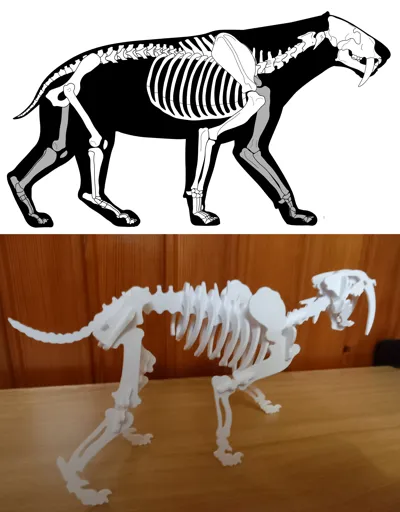
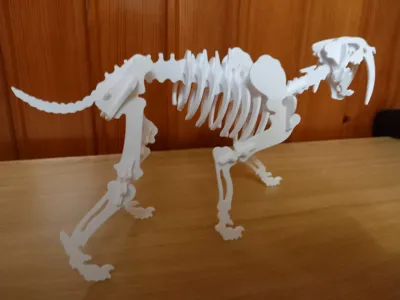
Print Profile(3)


Description
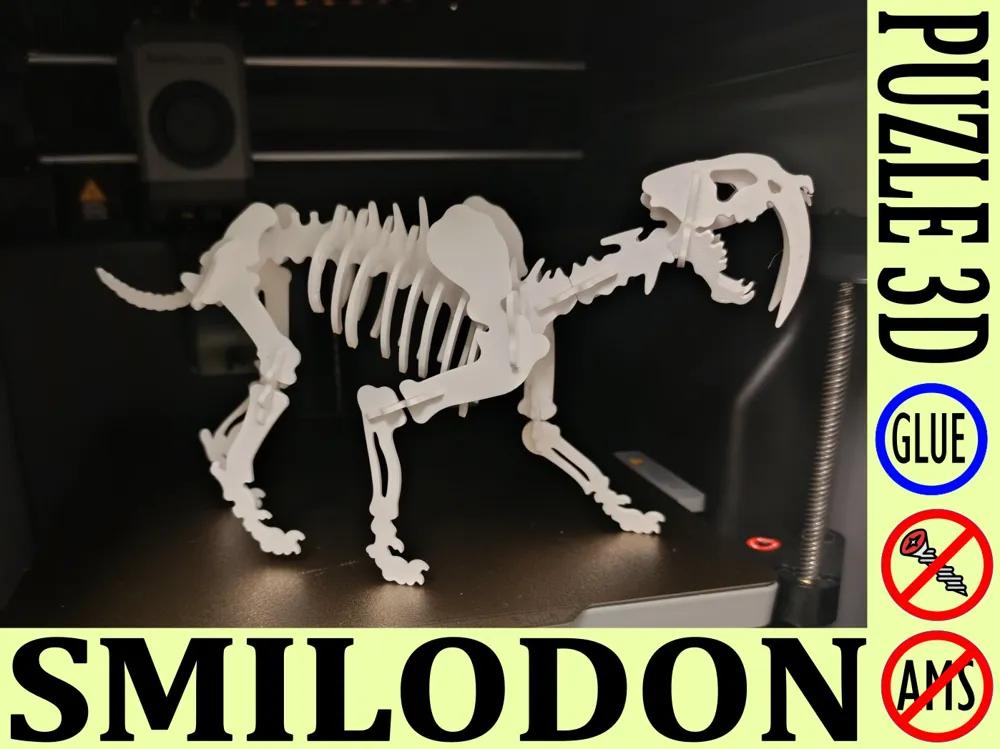
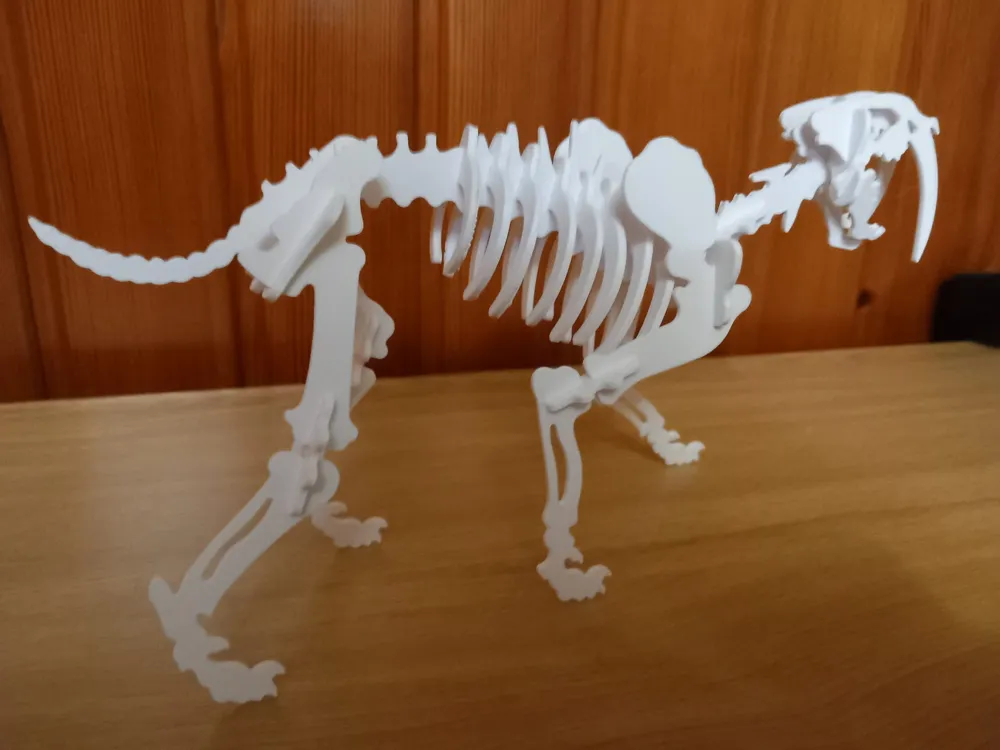
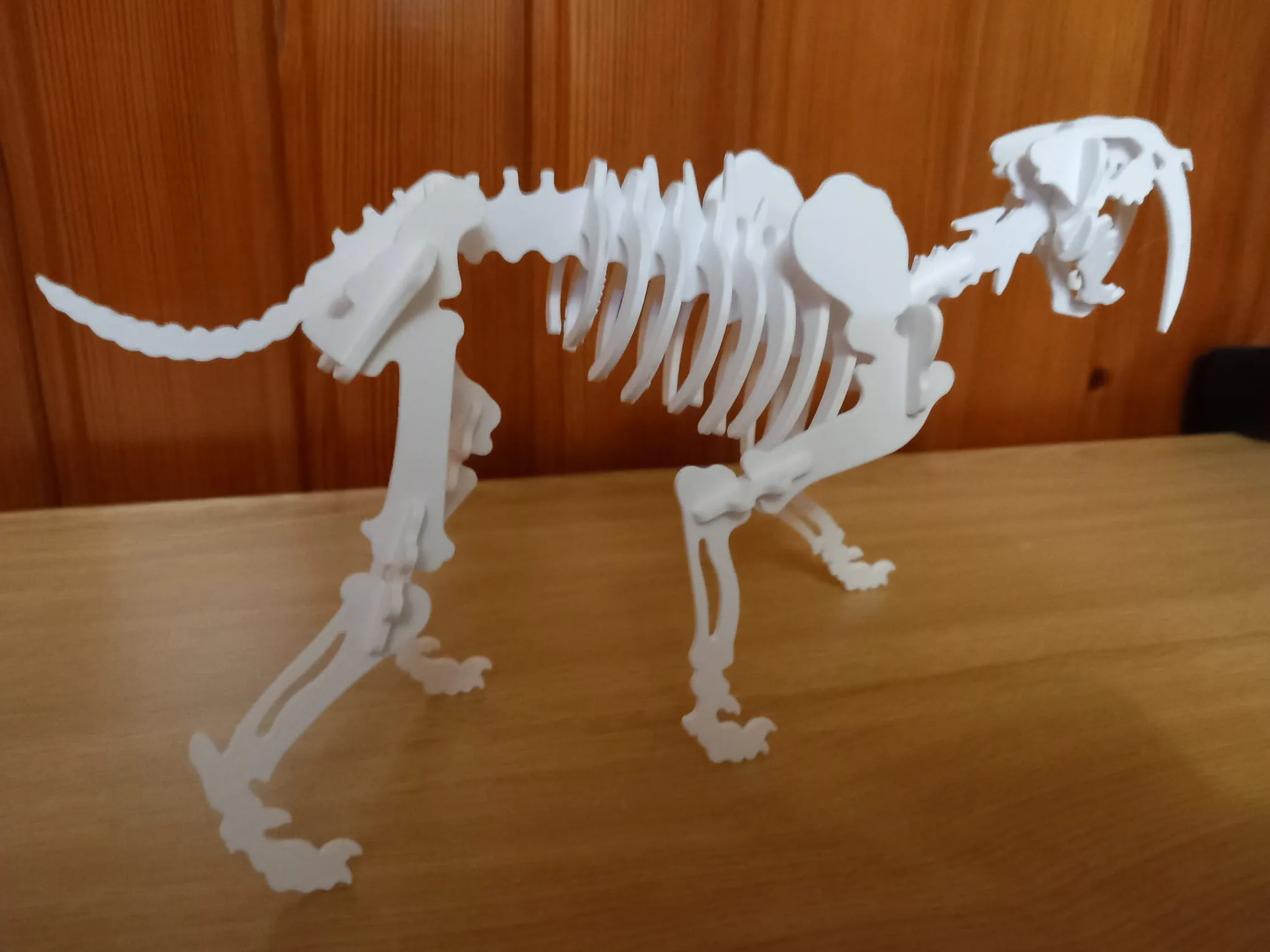
SMILODON SKELETON 3D PUZZLE
BRIEF DESCRIPTION OF THE ANIMAL:
Smilodon (from Ancient Greek σμίλη or smilē, "scalpel" or "double-edged knife"; and ὀδoύς or odoús, "tooth") is an extinct genus of saber-toothed felines from the subfamily Machairodontinae. It appeared in North America at the end of the Pliocene and spread to South America during the Great American Interchange.[1]
Compared to most felines, the most distinctive characteristic of the genus is its enormous canines, which, since its discovery, have made it one of the most popular prehistoric mammals. This feature, which Smilodon shares with some other genera, has earned these animals the popular nickname "saber-toothed tigers" (or "saber-toothed cats"),[5] a term actually inappropriate as they are different species from the modern tiger.
The species of the genus Smilodon likely became extinct as a result of the mass megafauna extinctions that occurred at the end of the Pleistocene. Source: Wikipedia.
WHY CHOOSE THIS MODEL?
Most puzzle-type skeleton models of various dinosaurs are derived, in most cases identical, from patterns used in schools in the 90s/2000s. These models were designed to be hand-sawn from 3mm thick plywood sheets, so the "bones" were typically crude, which is logical, as delicate components would have easily broken during sawing.
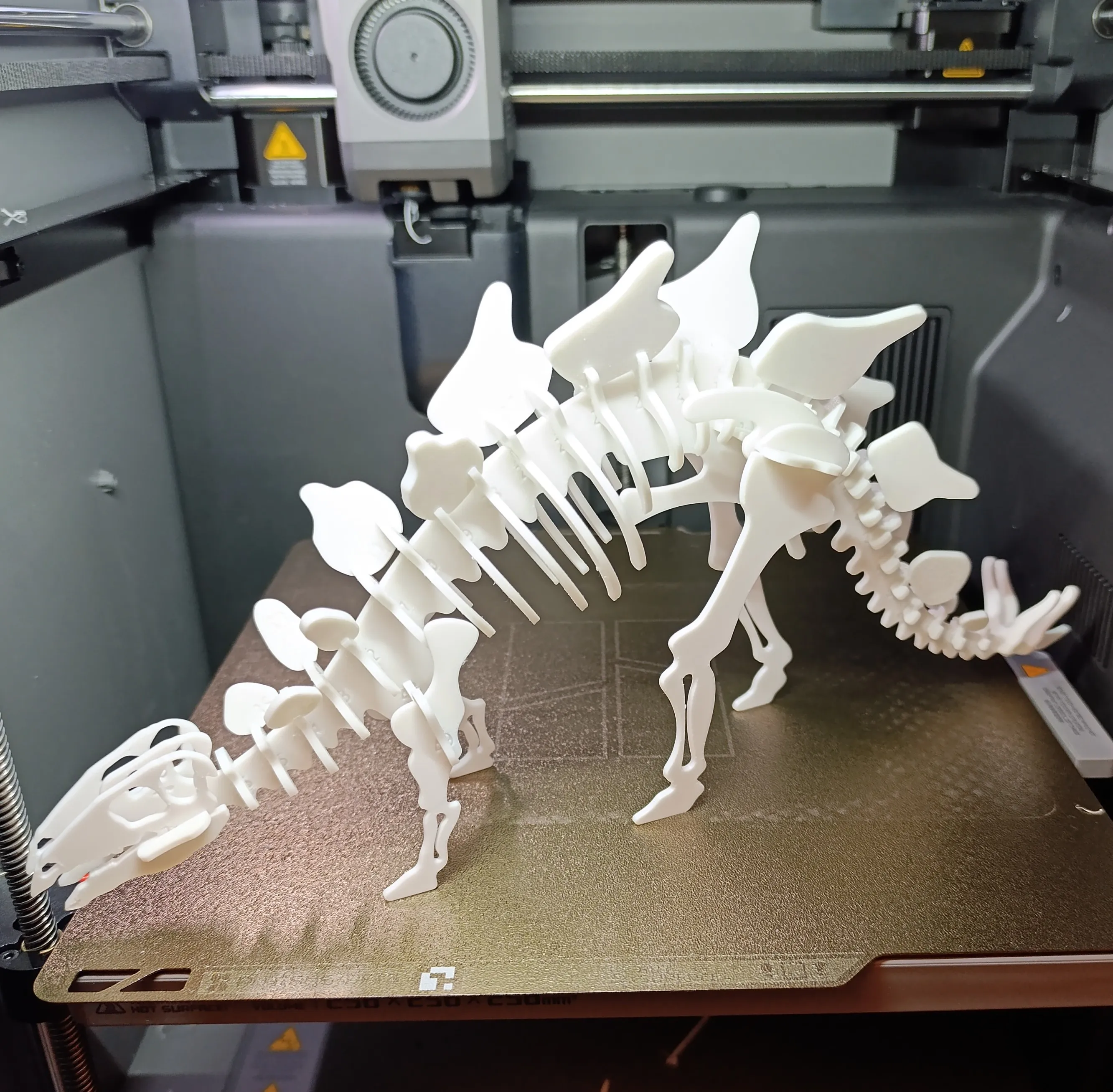
For my designs, I have also started from these same old patterns, but I have taken advantage of current technical possibilities to assimilate skulls, ribs, vertebrae, etc., and also the assembly patterns to real dinosaur skeletons. In the following image, we can compare the classic Stegosaurus model against my current design, where the way the upper plates fit onto the ribs, or the change in the level of detail in elements like the skull, is quickly appreciated.
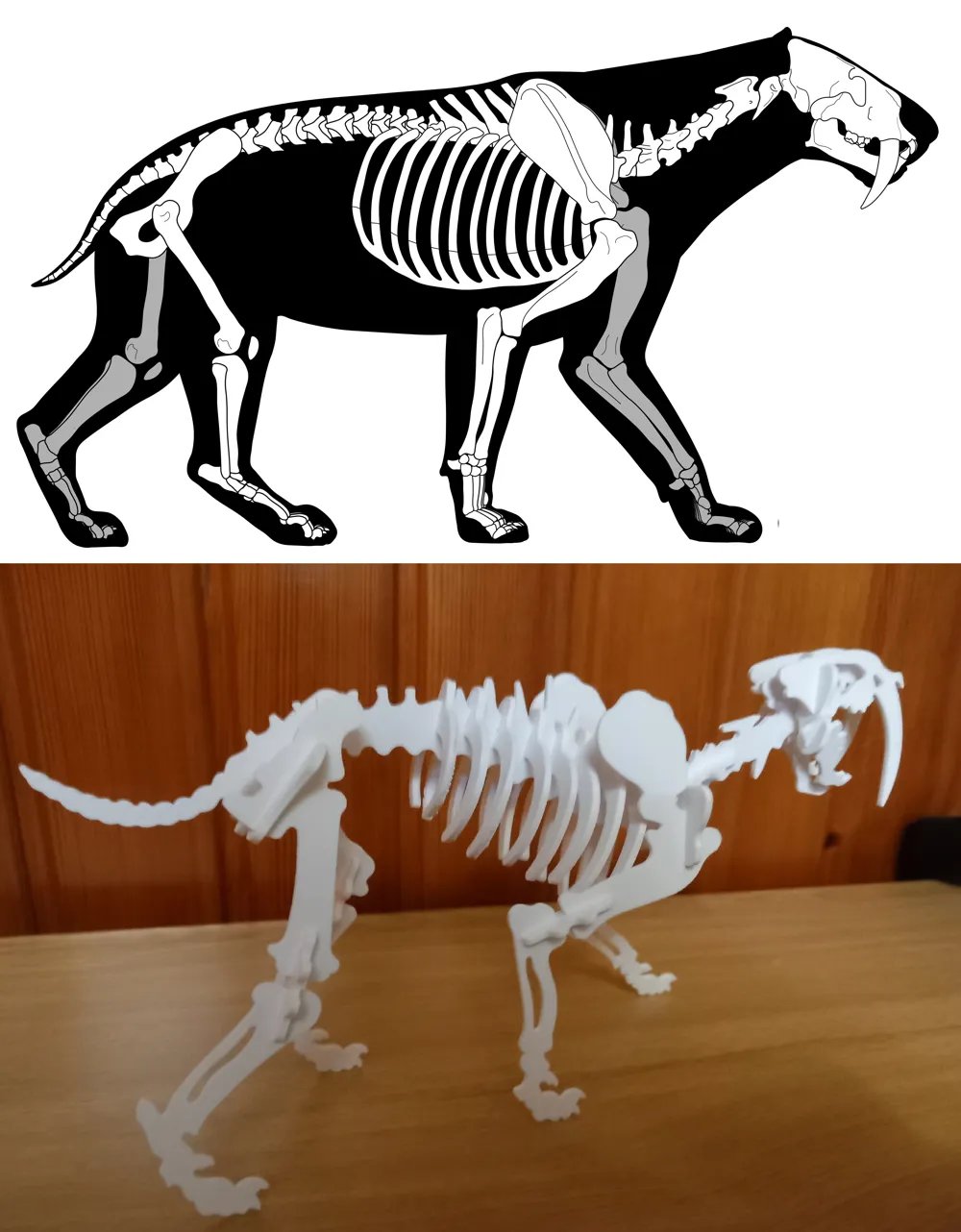
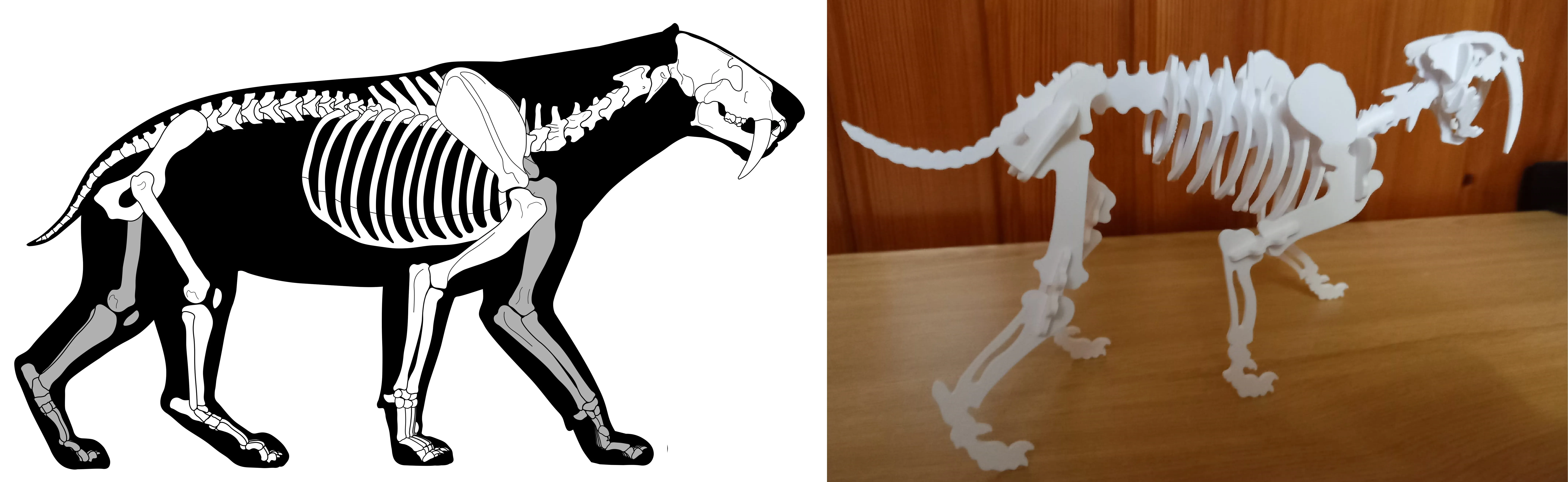
In this image, at first glance, we can see how, in the development of the Smilodon (saber-toothed tiger) skeleton system, every effort has been made not to deviate too much from the animal's real anatomy.
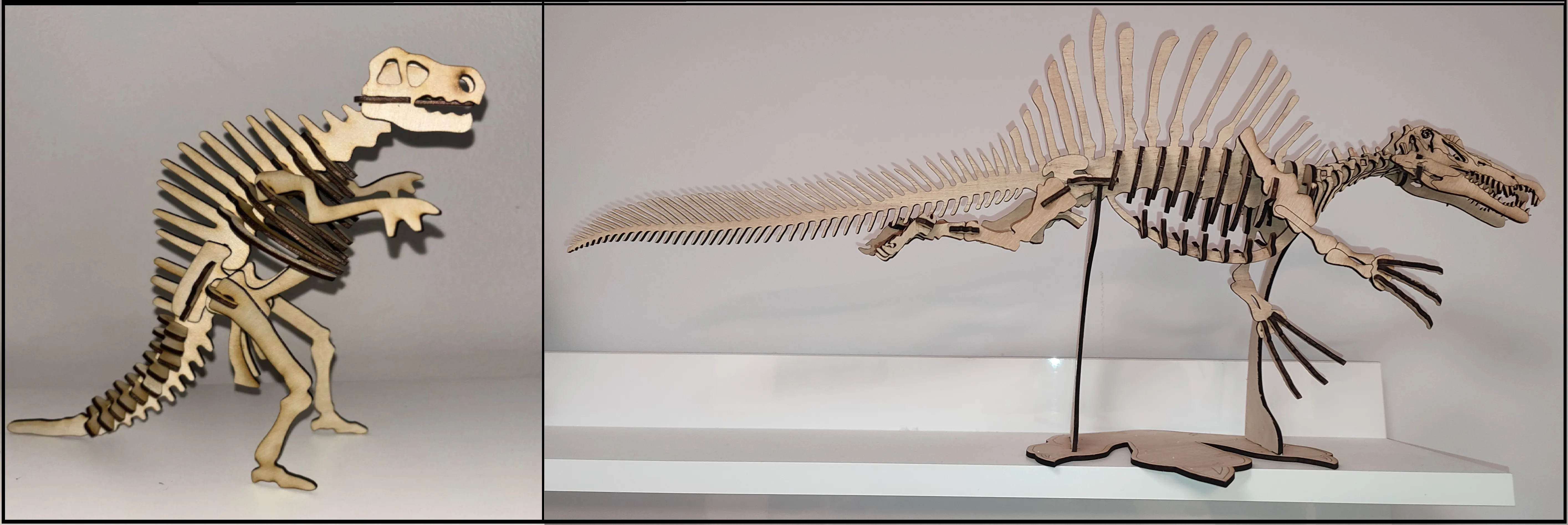
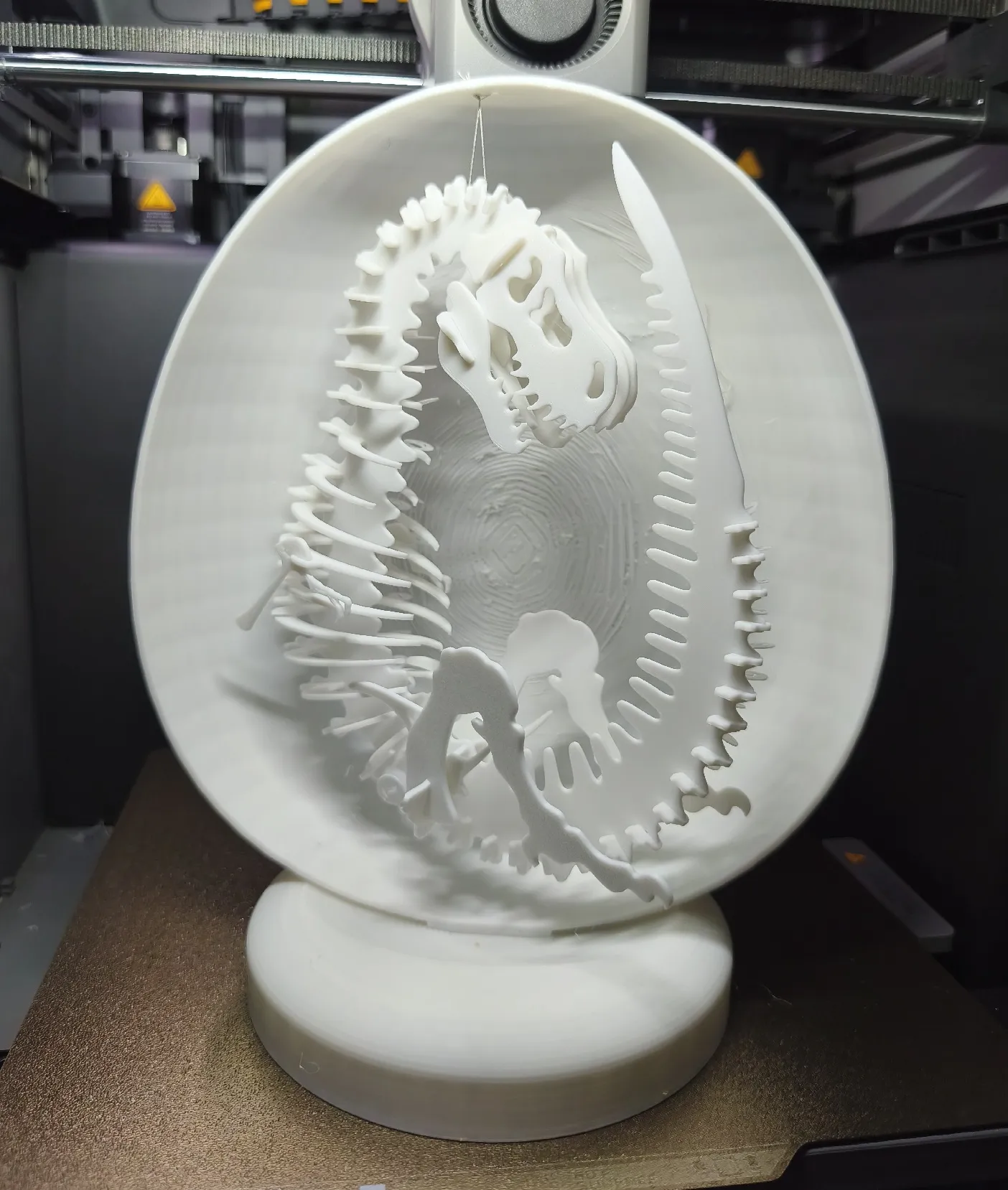
On the other hand, efforts have also been made to adapt the designs to the latest theories accepted by the scientific community regarding the skeleton. In the following image, we can observe the classic Spinosaurus skeleton, made according to the oldest interpretation of the found bones, which somehow assimilated it to a Tyrannosaurus, alongside my design, which is more in line with the currently accepted interpretation by the scientific community.
PRINT PROFILES:
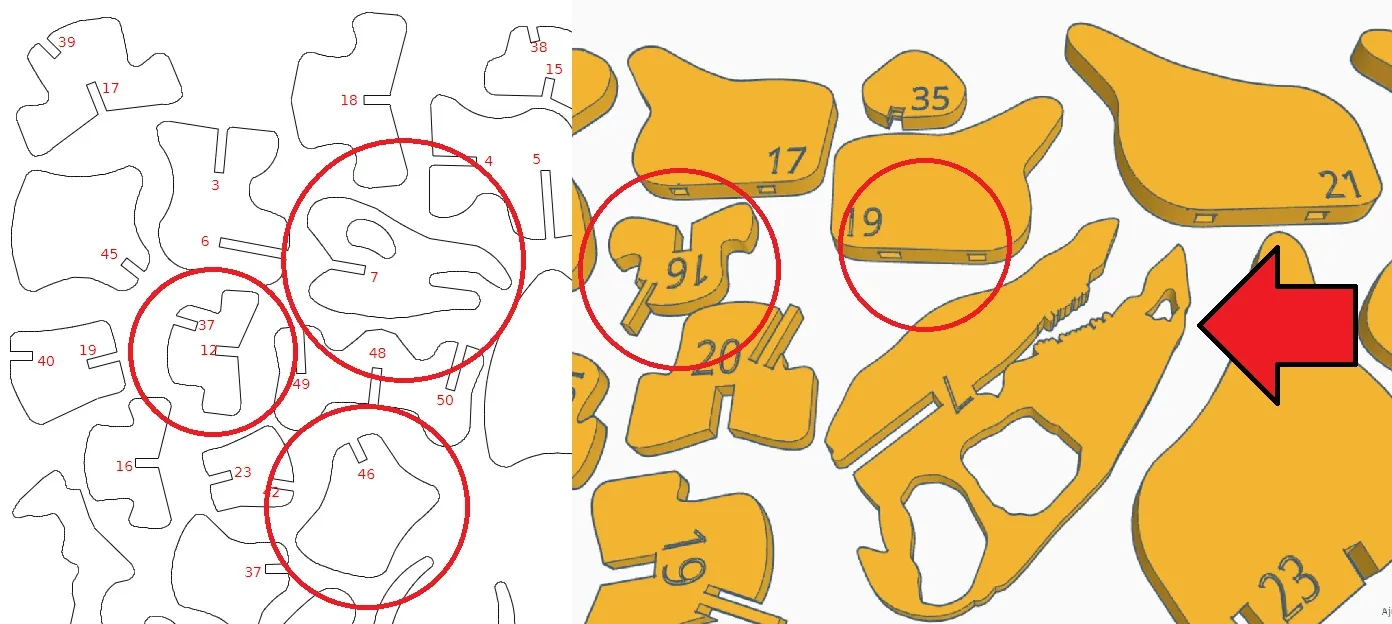
Among the print profiles, there are two simple ones and a third one to which I have added numbering at most of the connection points to facilitate assembly.
DOWNLOAD LINKS TO OTHER MODELS IN THE COLLECTION:
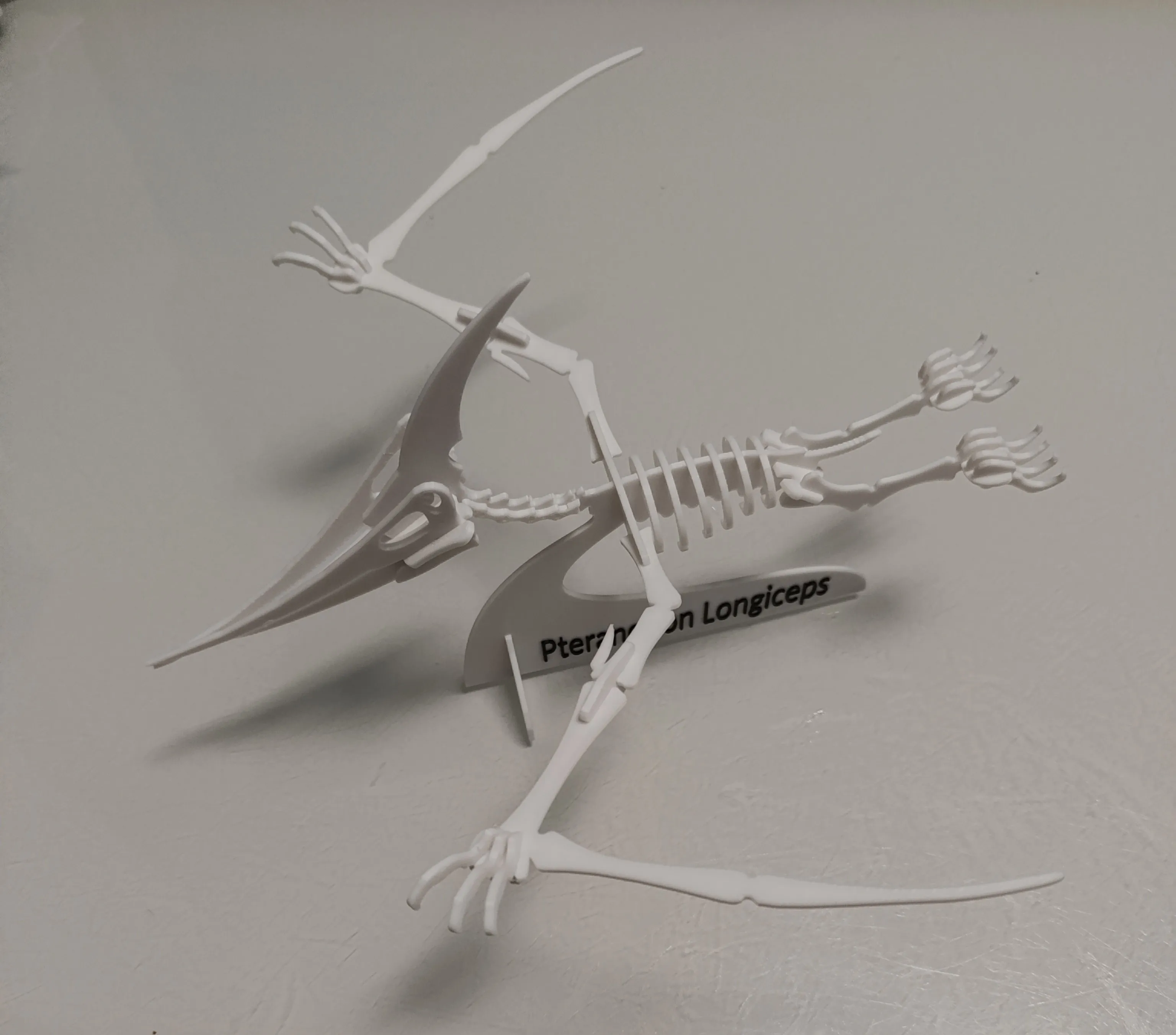
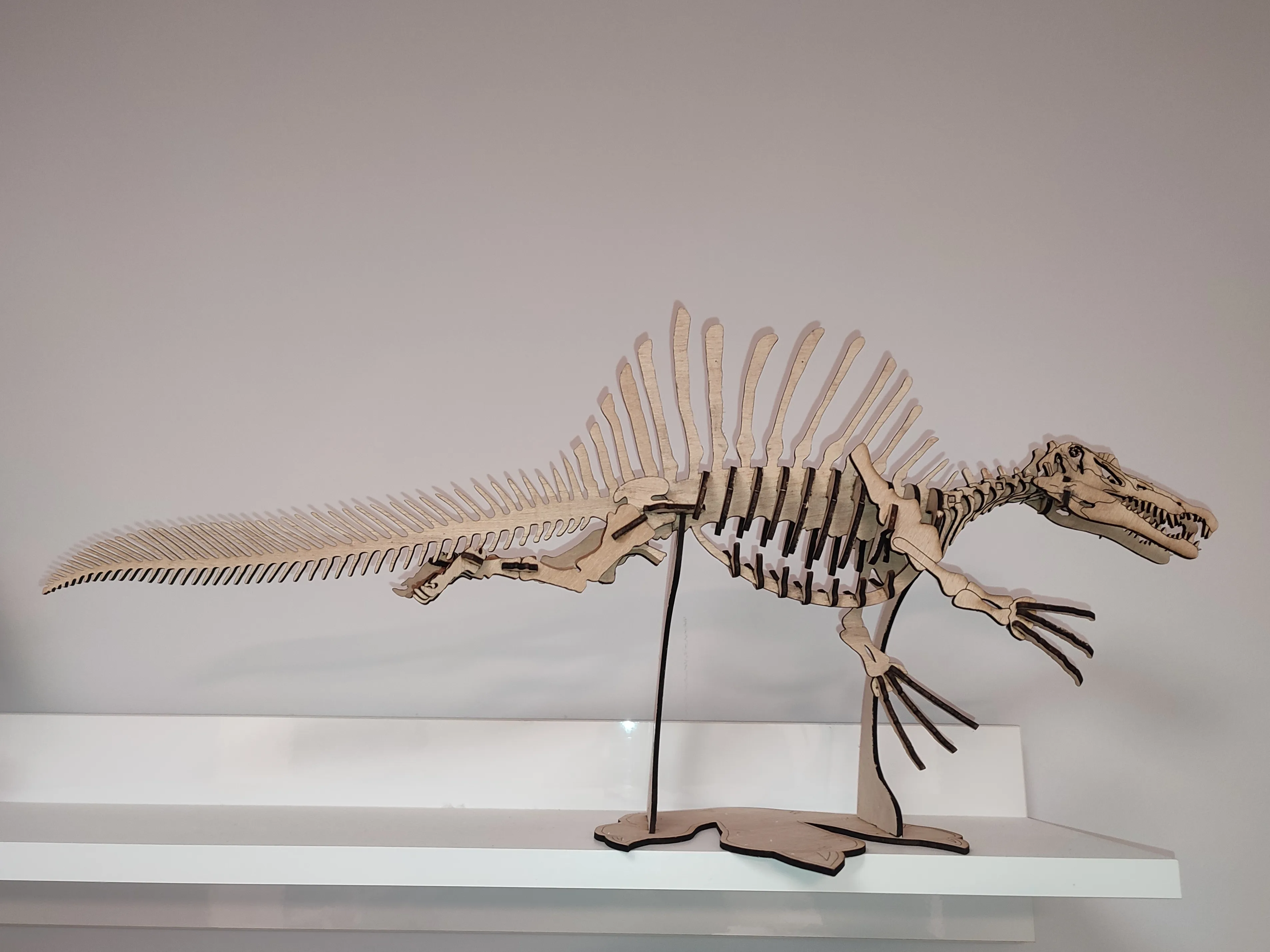
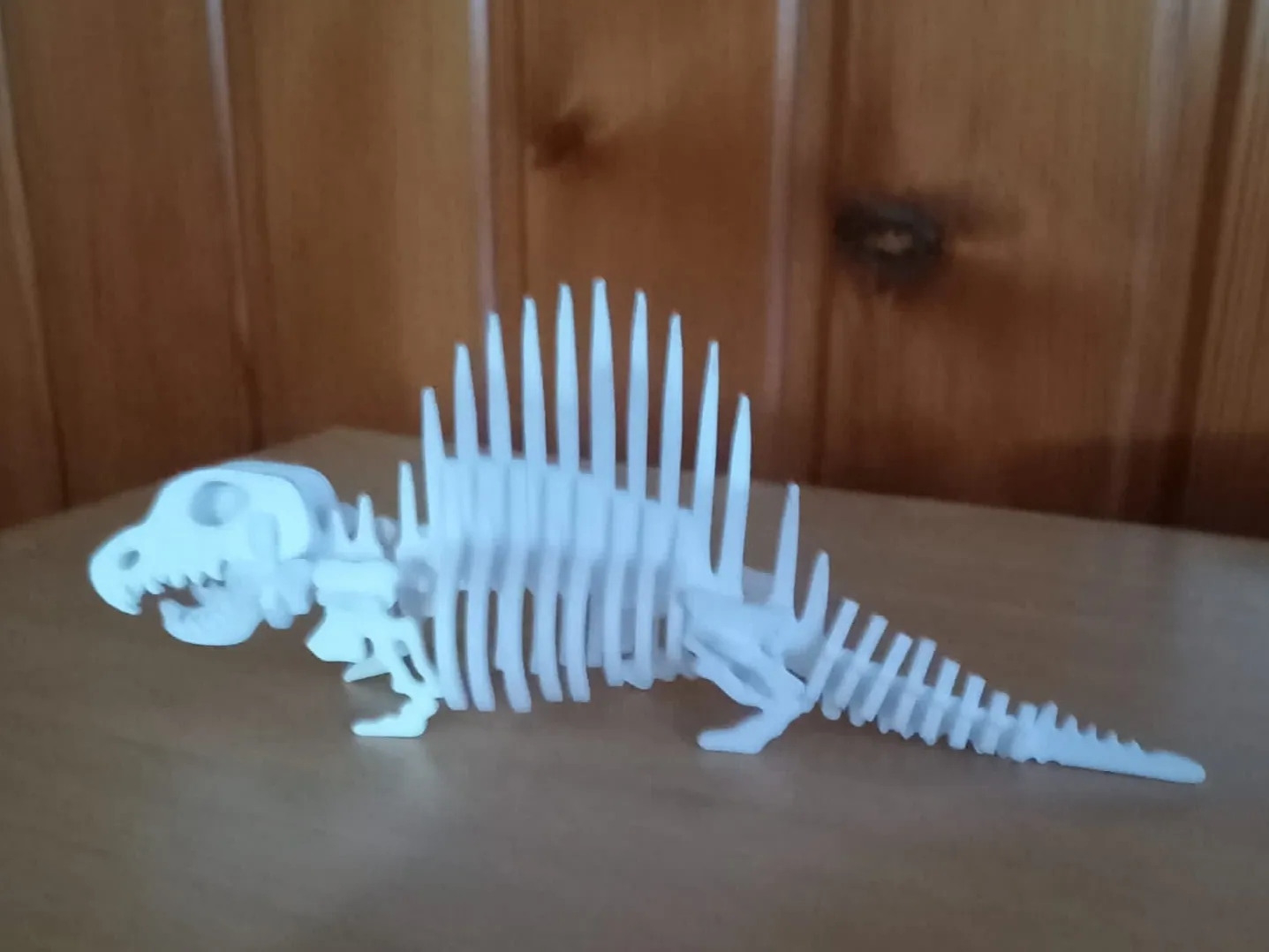
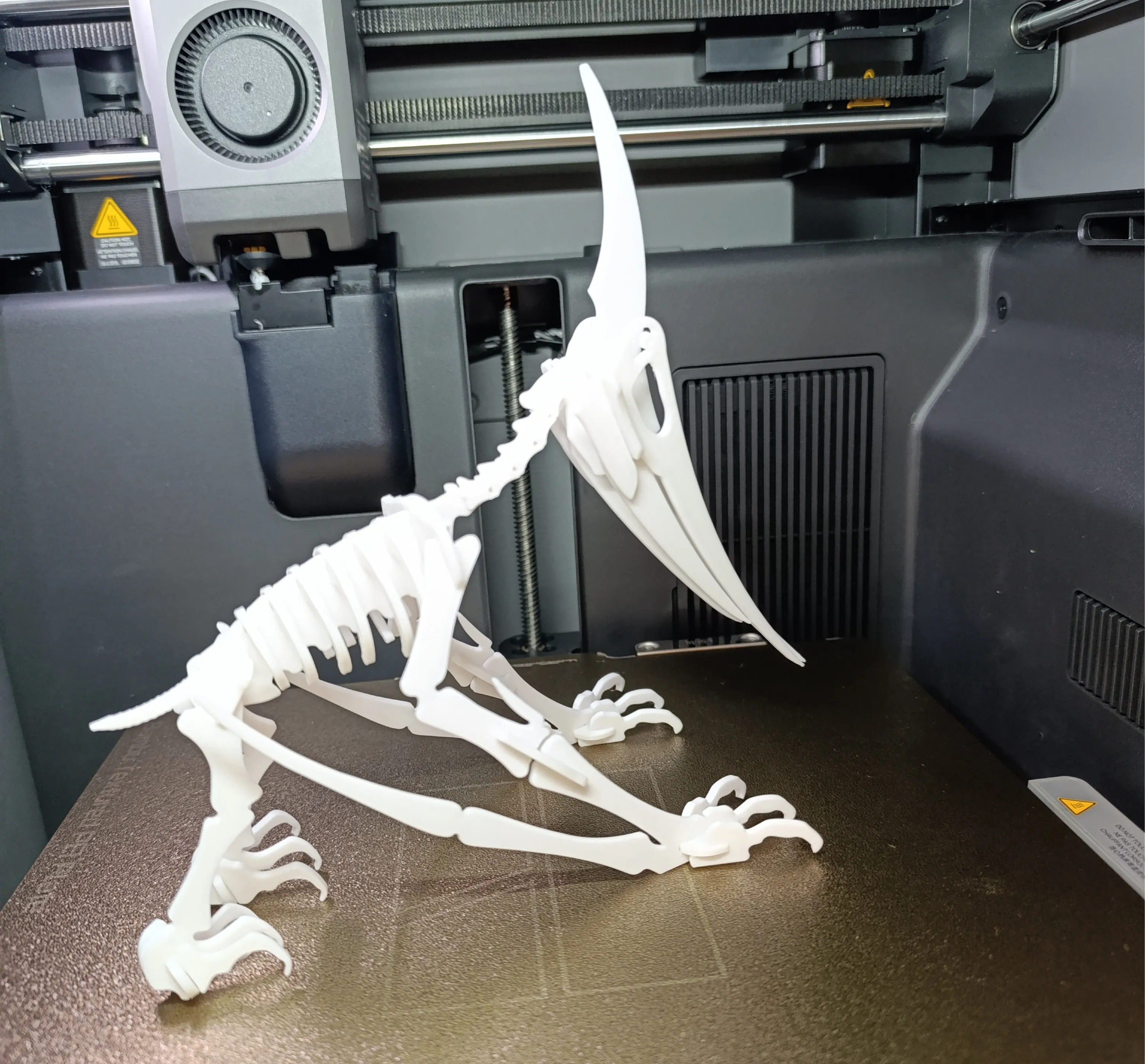
Below are a series of links to other skeletons that you can also download for free. Simply click on the image of each one, and you will automatically be redirected to the page:
Boost Me (for free)
If you liked the design, a boost is a perfect way to recognize a designer's effort. Thank you very much.
License

You shall not share, sub-license, sell, rent, host, transfer, or distribute in any way the digital or 3D printed versions of this object, nor any other derivative work of this object in its digital or physical format (including - but not limited to - remixes of this object, and hosting on other digital platforms). The objects may not be used without permission in any way whatsoever in which you charge money, or collect fees.


Comment & Rating (2)