I’ve recently been experimenting with the creation of hybrid models and this new design approach has truly given my creativity a boost.
In the world of digital fabrication, we are witnessing a real revolution: hybrid projects, creations that seamlessly combine different technologies, 3D printing, laser engraving/cutting and cutter module work.
This combination paves the way for a level of customization, precision and versatility never seen before.
United to Innovate
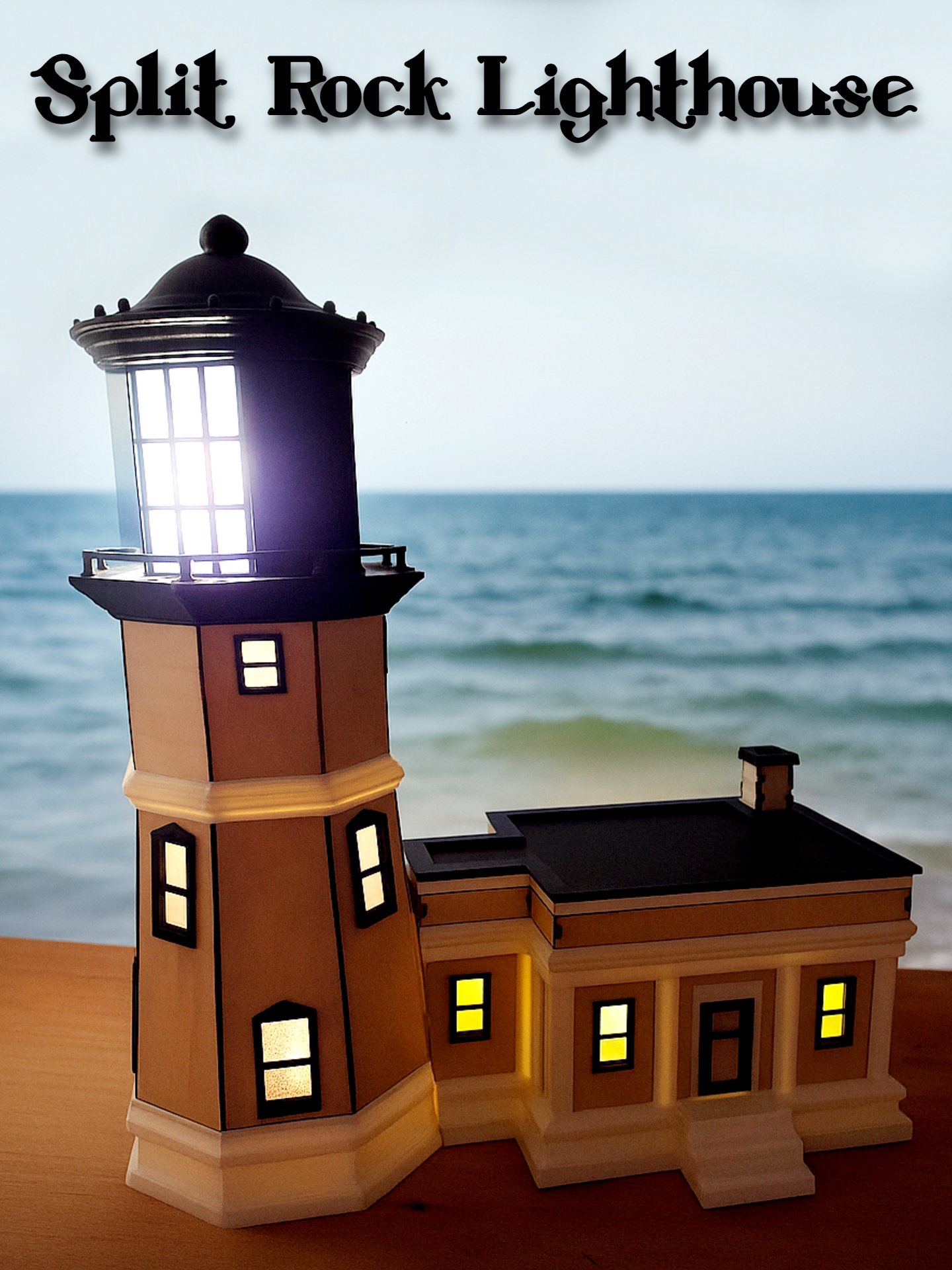
While 3D printing allows the modeling of complex three-dimensional shapes with extraordinary precision, the laser module makes it possible to engrave and cut materials such as wood, cardboard, leather or acrylic with professional results.
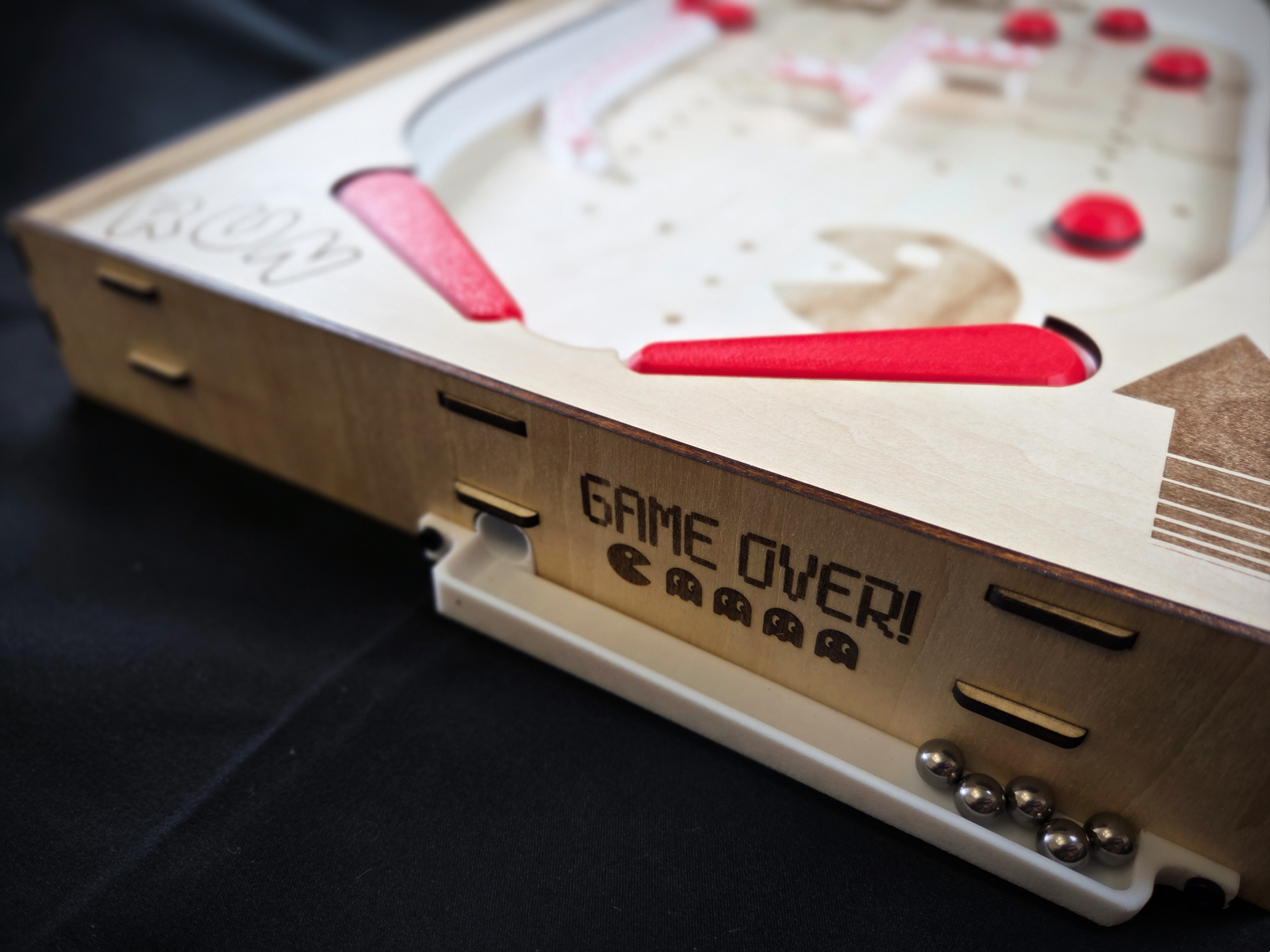
This enables the creation of models made from multiple materials; for example, combining wood with a 3D-printed project greatly enhances its artistic value.
To complete this synergy, there’s also the cutter module, which allows users to work with thin and flexible materials such as vinyl or adhesive films, making it possible to create labels, decorations and graphic details perfectly integrated into printed or engraved projects.
Just imagine the difference between a model made purely with 3D printing and one that’s beautifully decorated with custom-designed stickers, it’s a whole new level of visual impact.
https://makerworld.com/en/models/1689871-split-rock-lighthouse-lamp#profileId-1791241
This technological fusion transforms the way we design: it’s no longer about choosing one tool, but about making the most of each, in a continuous creative flow.
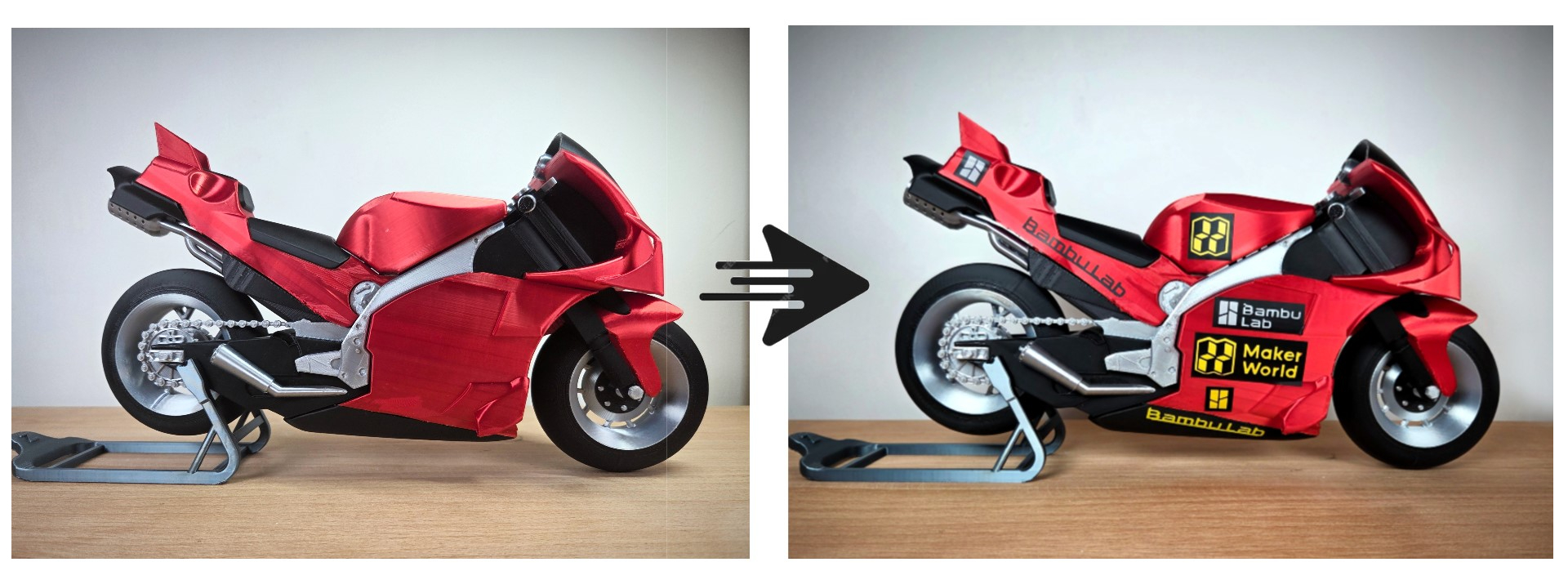
https://makerworld.com/en/models/1808704-moto-gp-ducati#profileId-1929279
The Advantages of Hybrid Projects
The hybrid approach brings a series of tangible benefits:
- Maximum creative freedom: design possibilities become virtually limitless, combining 3D elements with engraved textures or adhesive graphics.
- Fewer technical limitations: each technology compensates for the limits of the others, what can’t be printed can be cut or engraved and vice versa.
- Professional precision and quality: direct integration between modules ensures perfect alignment across every stage of the process.
- Efficiency and time savings: everything happens within a single machine, without the need to move the project between different devices.
- Simplified user experience: centralized control through dedicated software allows for intuitive operation, even for those new to the maker world.
Conclusion
Whether it is a prototype, a decorative object or a complex artistic project, hybrid models in my opinion mark the transition to a new era of digital creation.
https://makerworld.com/en/models/1713511-pinball#profileId-1818454