
Soft Tentacles




Print Profile(3)


Bill of Materials


- A thicker cable x 1: to secure the tentacles to the head
Description
Design:
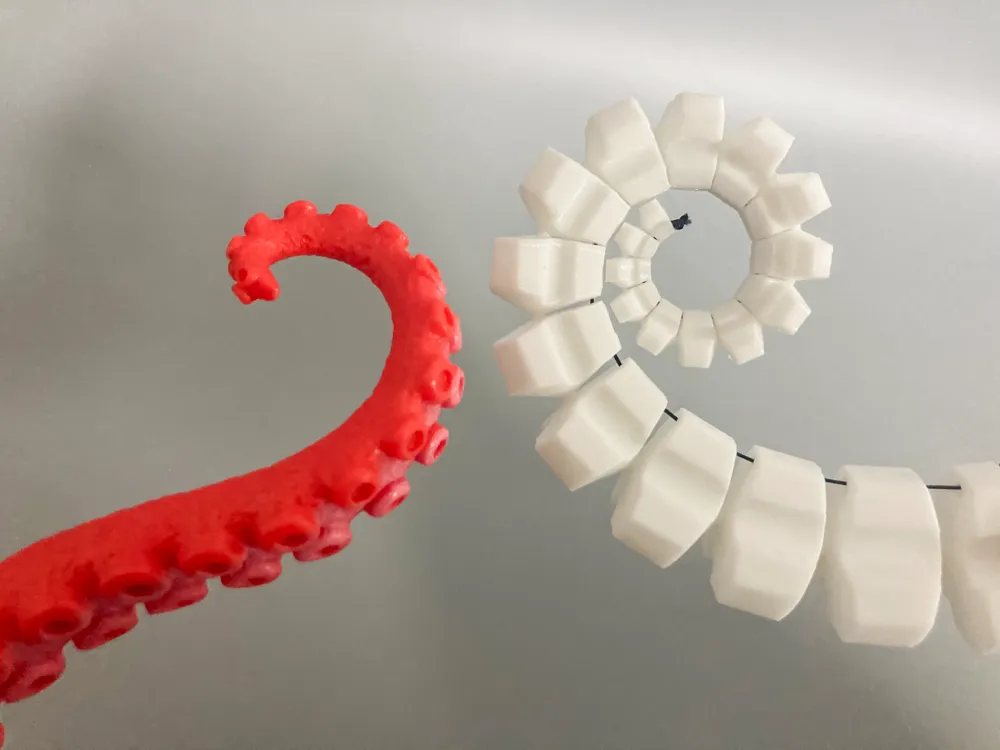
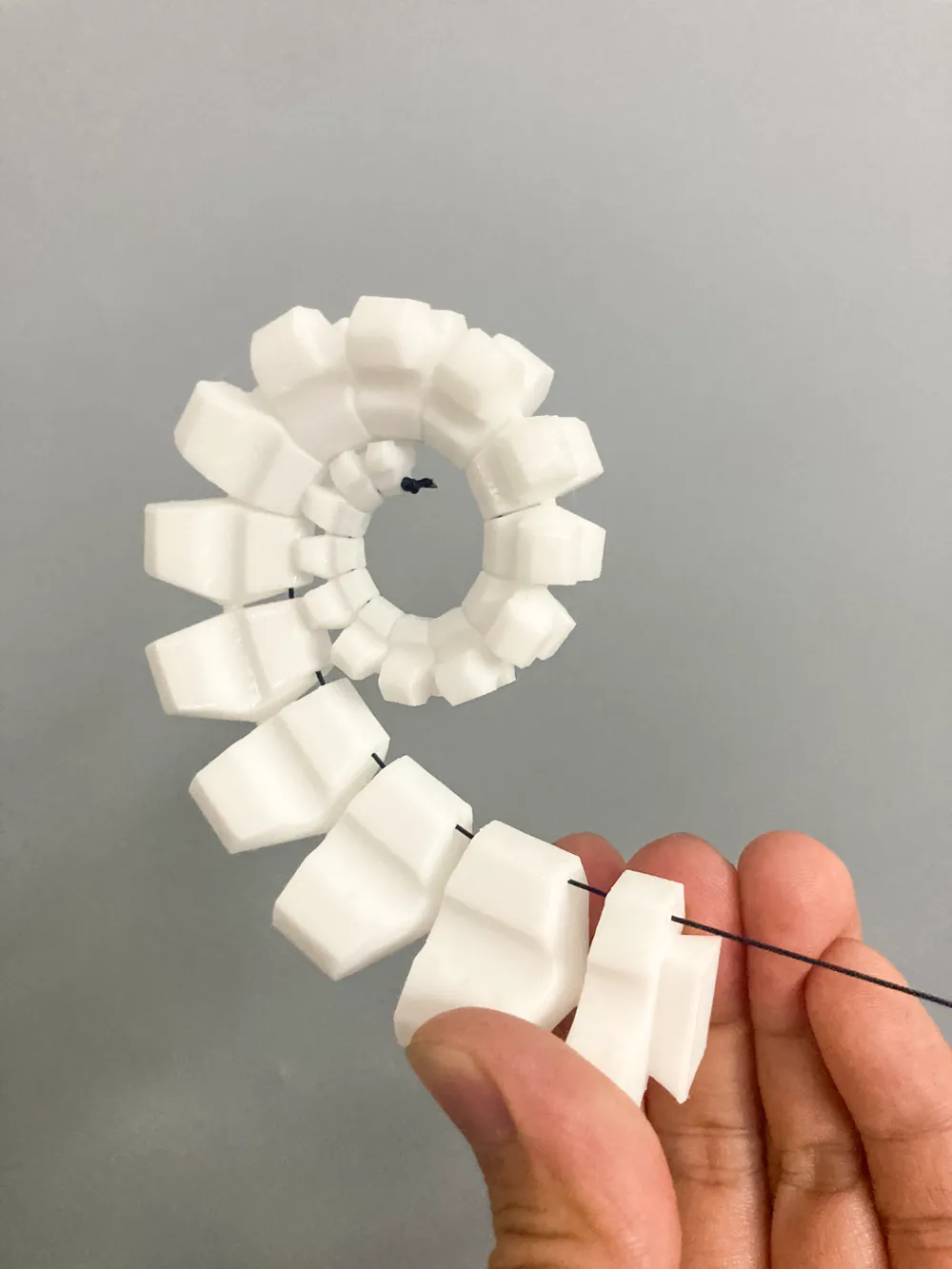
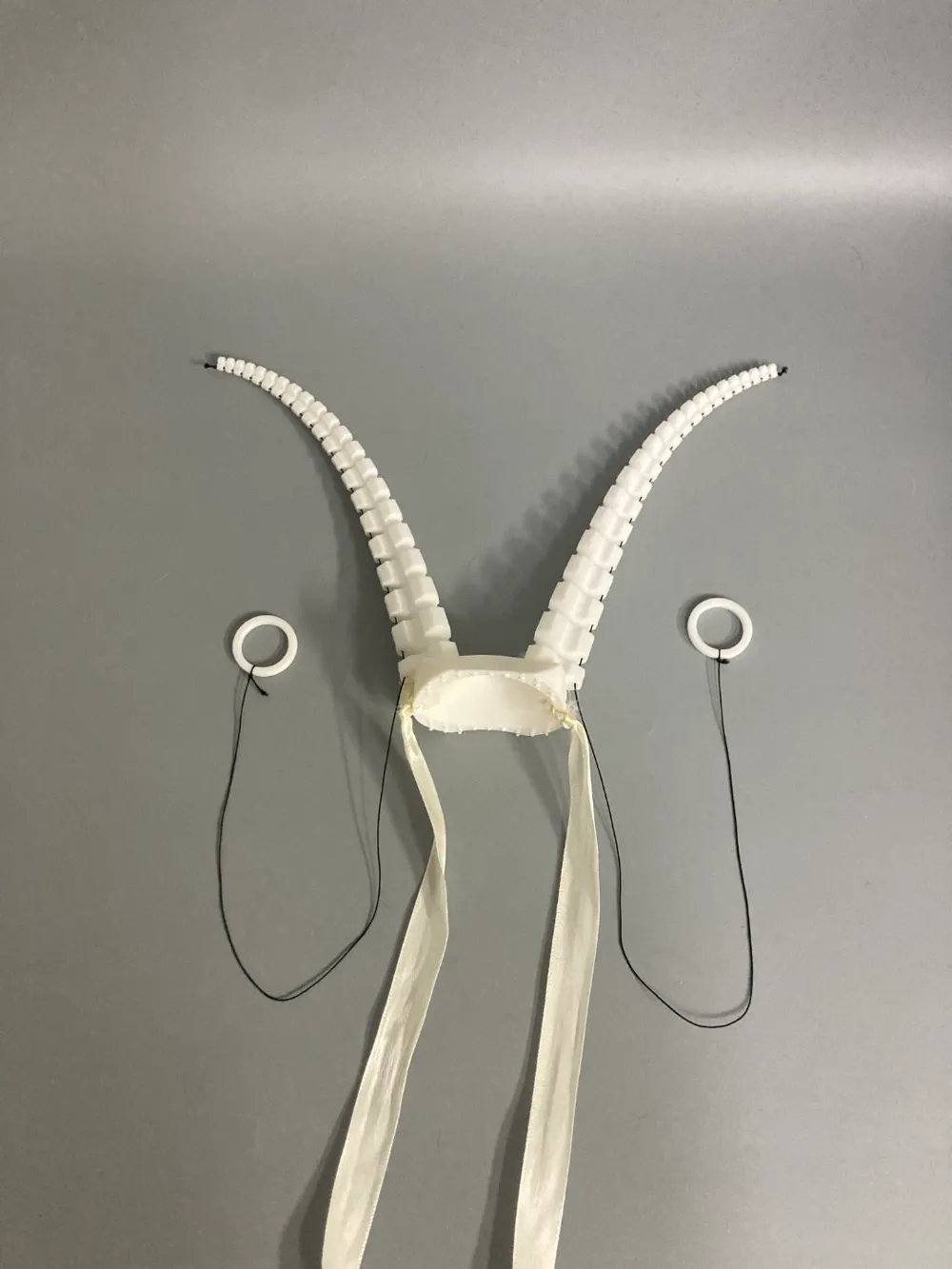
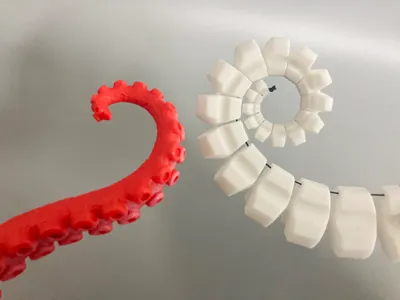
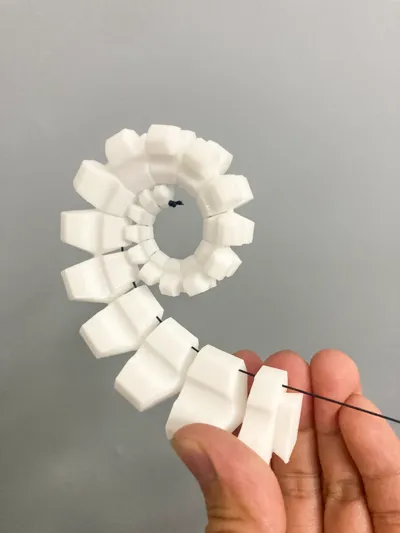
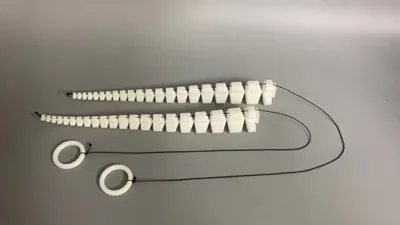
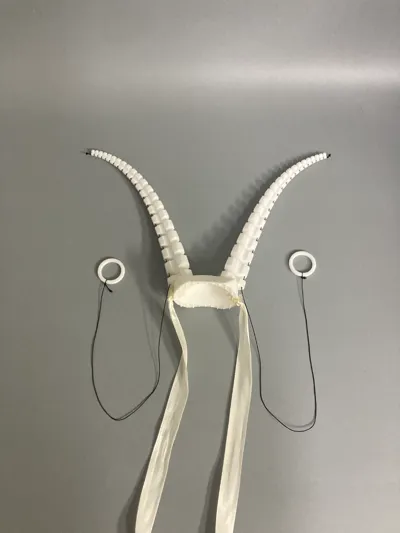
The model consists of two tentacles and a base. The tentacles curl up when the cables are pulled.
The tentacles
This model is designed based on our latest research results in soft robotics.
Paper link: https://www.cell.com/device/fulltext/S2666-9986(24)00603-3
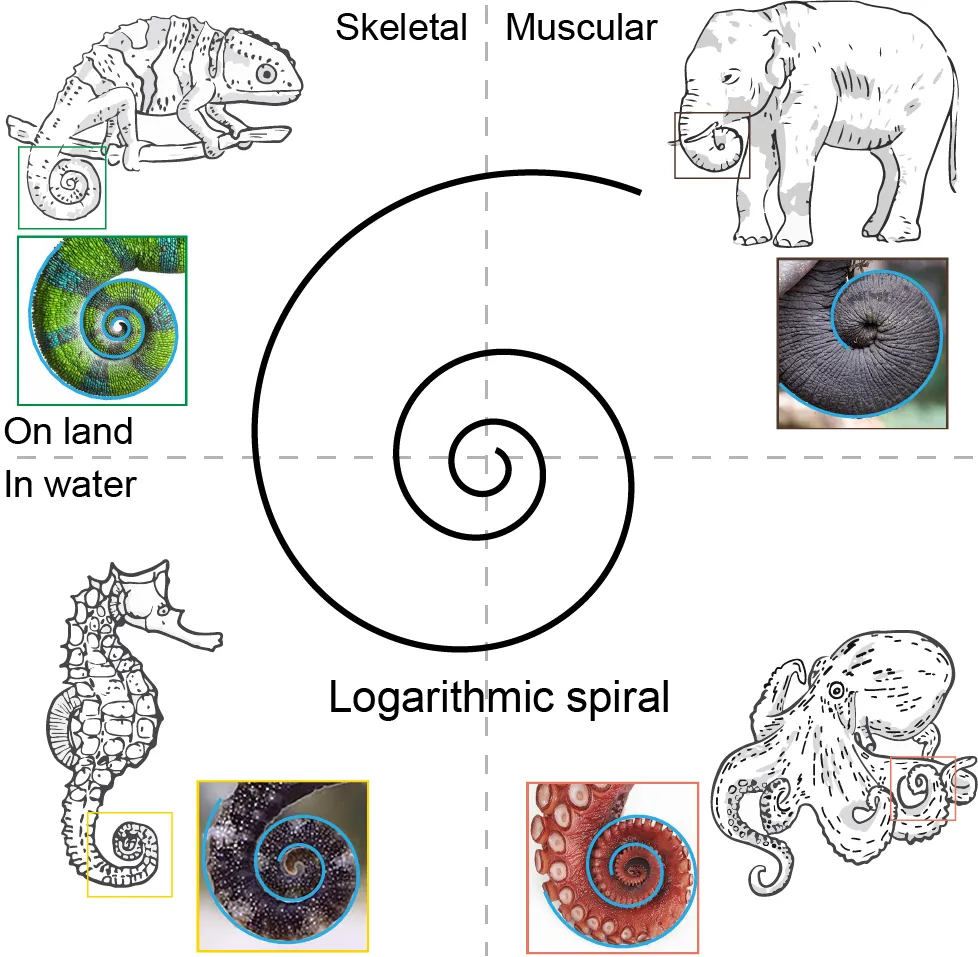
We observed that despite their large diversity in terms of size (e.g., from centimeters to meters), anatomy (e.g., pure muscular or combination of skeleton and muscles), and living environment (e.g., on land or in water), several animal appendages share a commonality: a tightly packed shape that conforms to a logarithmic spiral (see figure on the right).
This paper introduces a new class of soft robots that replicate the spiral pattern. The proposed design enables lifelike movements through simple cable actuation.
The base
There are two types of bases.
1. a round base that needs to be fixed on the head with a thicker cable.
2. a headband that can be clipped on the head.
Printing guide:
The main body of the tentacles is printed with Thermoplastic Polyurethane (TPU). Here are some important points to consider when printing:
- Choose TPU with the appropriate hardness. Different hardness levels of TPU will result in different robot stiffness. For example, there are options like 68D, 95A, and 83A (listed in descending order of hardness). We used eTPU 95A (from Bambu Lab, eSUN, etc.) because it ensures high printing quality (lower hardness levels have a higher risk of printing failure).
- Keep TPU filament dry before use. Dry the filament to prevent moisture-related issues like excessive stringing or oozing in the resulting prototype.
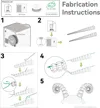
Feed TPU filament smoothly into the printer. When using the 3D printer, do not use the Automated Material System (AMS). Instead, place the TPU directly on the rear spool holder or an external holder (see "Fabrication Instructions" for details). Ensure that the material spool turns smoothly to reduce resistance when feeding the material to the extruder.
Another tip: To use the material holder at the back of the printer, you need to remove the AMS plug. Alternatively, you can use the design in this project (https://makerworld.com/zh/models/169803?from=search#profileId-186458) to add a holder on the side.
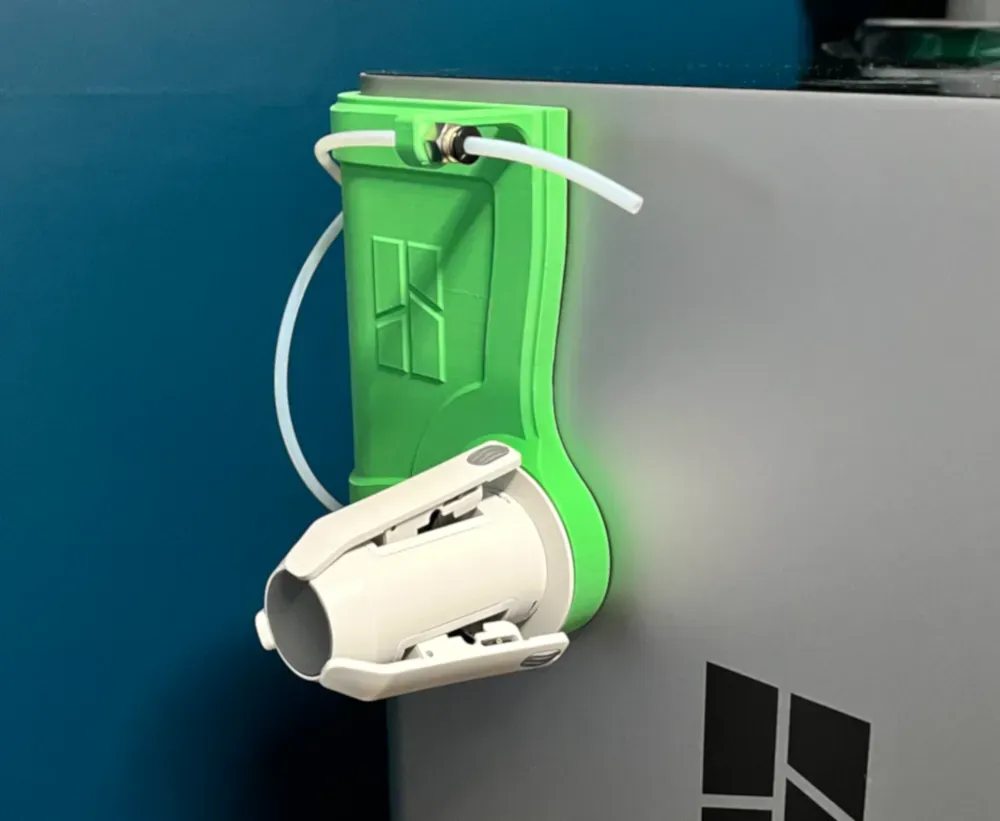
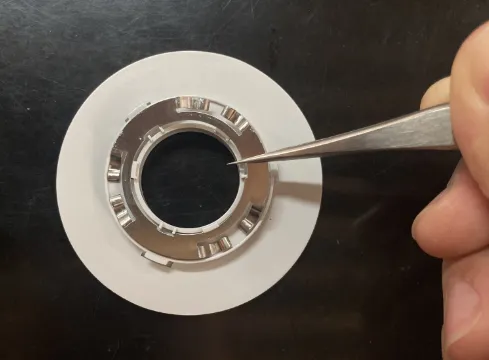
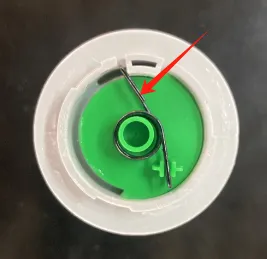
To make the AMS lite shaft suitable for TPU printing, you can disassemble the shaft, remove the spring and metal sheet and use it. The damping is just right.
For more information on printing TPU filament, please refer to Bambu Lab's printing guide.
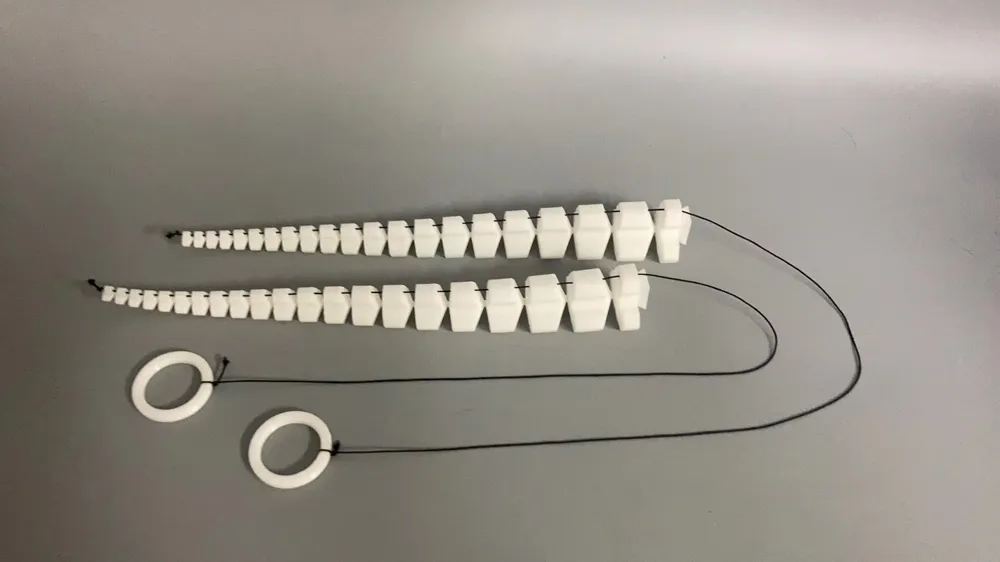
After printing, pass the cables through the tentacles. As the size of the units gets smaller towards the tip, the holes also become smaller, making it difficult to pass the cable through them. For this reason, use a stiffer, thinner steel wire to create a needle-like tool that helps guide the cable through the small holes (see "Fabrication Instructions" for a visualization).
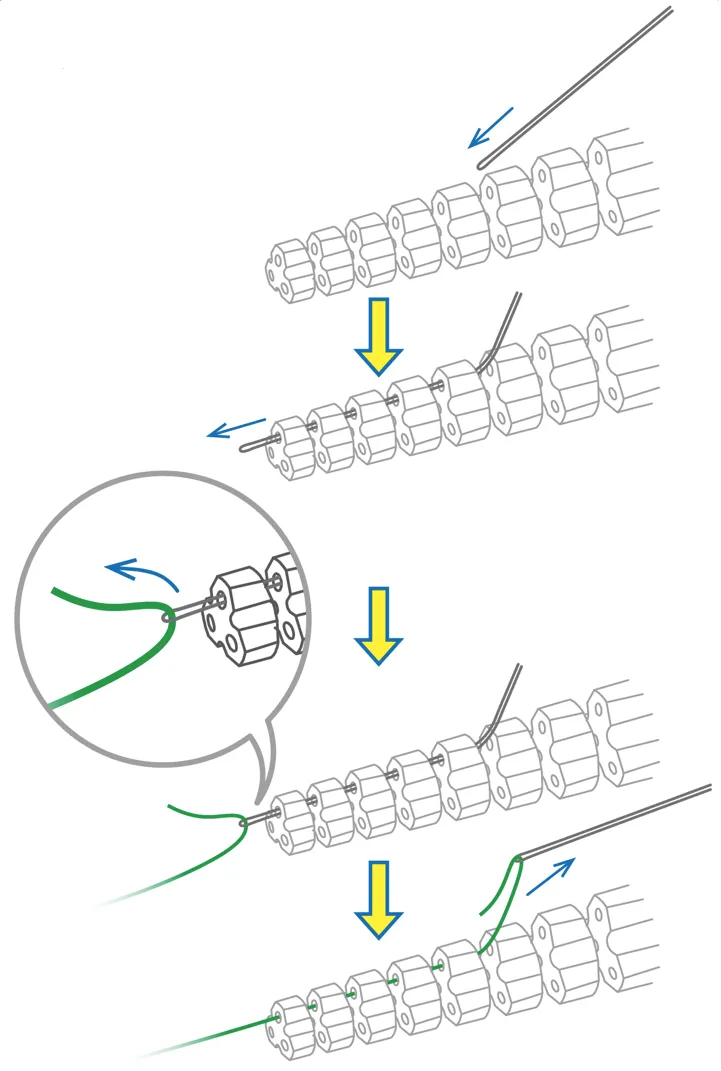
Afterward, tie a knot at the tip of the robot and connect the other end of the cables to two rings to drive the tentacles' movement with fingers.
Documentation (1)
License

You shall not share, sub-license, sell, rent, host, transfer, or distribute in any way the digital or 3D printed versions of this object, nor any other derivative work of this object in its digital or physical format (including - but not limited to - remixes of this object, and hosting on other digital platforms). The objects may not be used without permission in any way whatsoever in which you charge money, or collect fees.


Comment & Rating (29)