
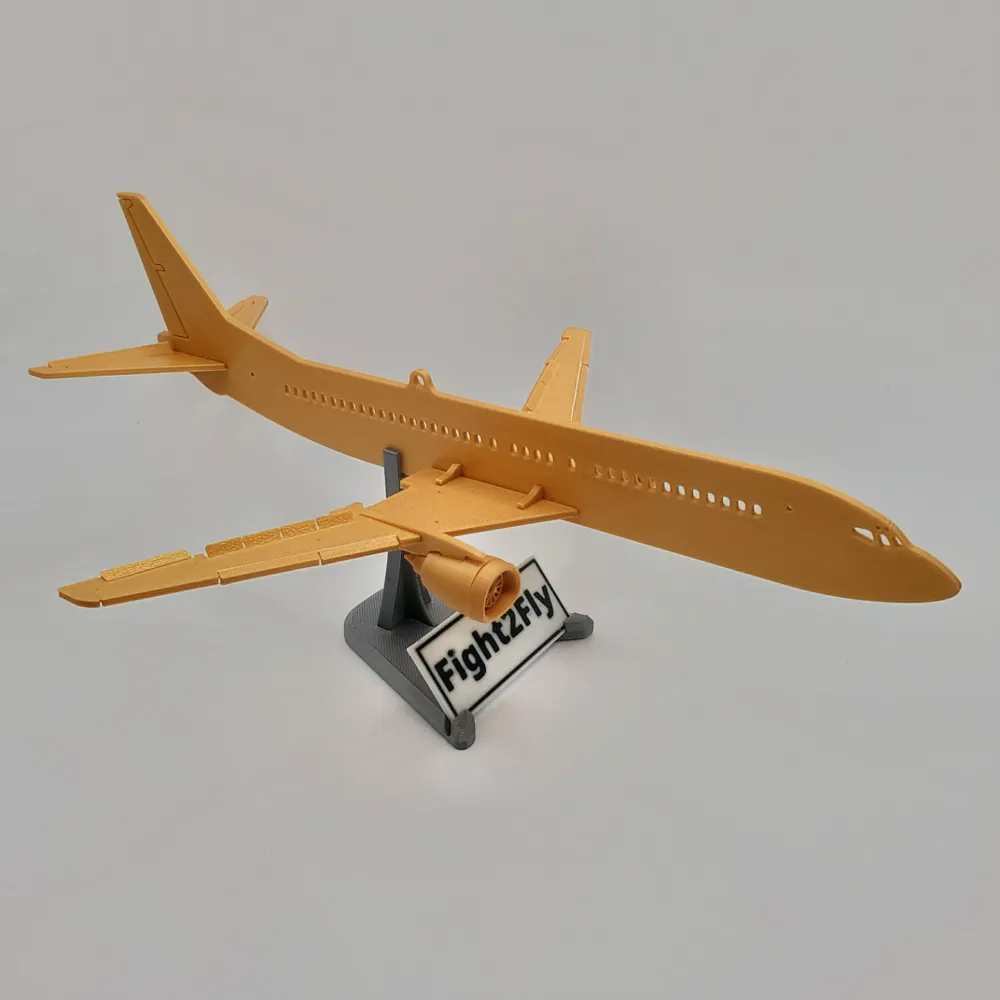
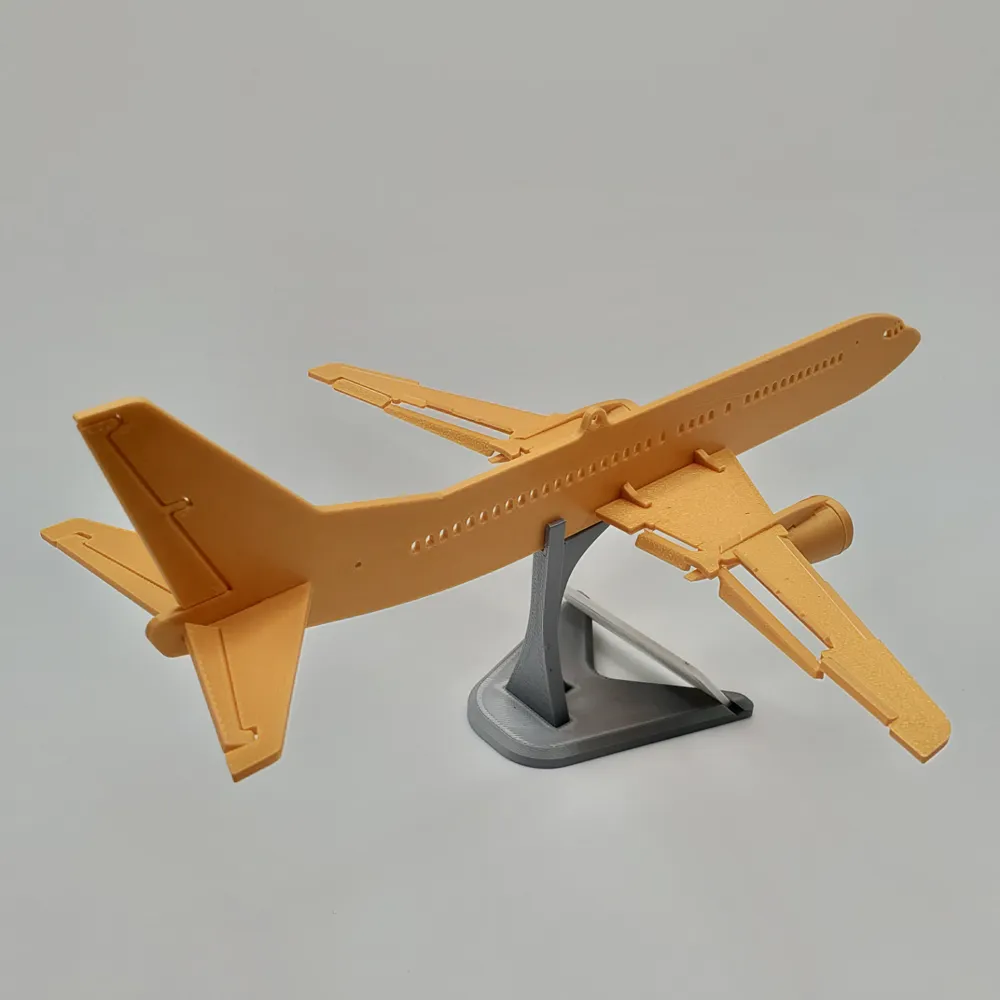
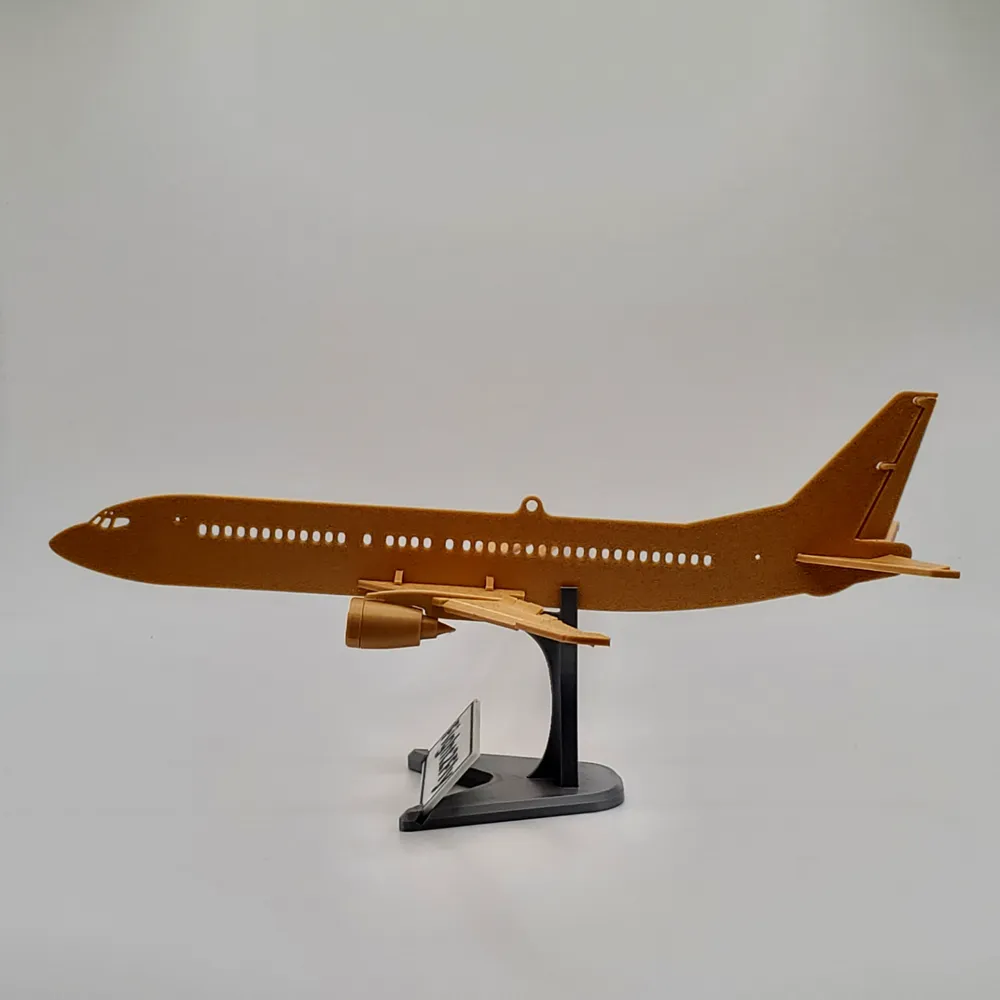
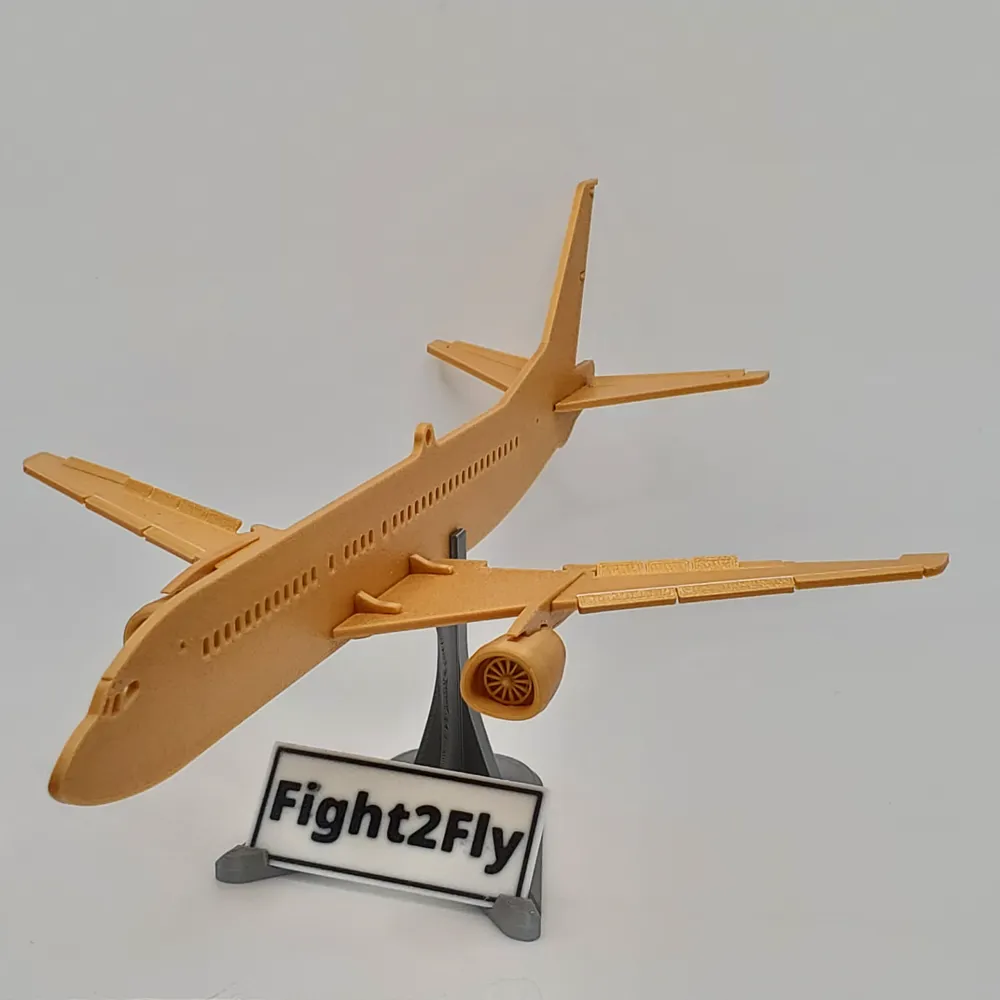
Boeing 737-400 Airliner Model Airplane Kit

Print Profile(1)

Description
The Aircraft
The Boeing 737-400 is a member of the second generation of Boeing's highly successful 737 family, known as the 737 Classic series. Designed to fill the market gap for a higher-capacity, short- to medium-haul jet, the 737-400 was developed to compete with aircraft like the Airbus A320 and McDonnell Douglas MD-80.
Development History:
- Launch and Design Evolution (1980s): Boeing announced the 737-400 in 1985, as a stretched version of the earlier 737-300, offering increased seating capacity and improved cargo space. It retained the Classic series’ advanced avionics and efficient CFM56 turbofan engines, known for their reliability and fuel efficiency.
- First Flight (1988): The 737-400 prototype first flew on February 19, 1988, marking the culmination of a streamlined development process. It incorporated minor structural changes, including stronger landing gear and additional emergency exits, to accommodate higher passenger loads.
- Certification and Entry Into Service (1988): The aircraft received FAA certification in September 1988 and entered commercial service shortly afterward with launch customer Piedmont Airlines (later merged with USAir, now part of American Airlines).
Key Features:
- Capacity: Seating for up to 188 passengers in an all-economy configuration, with flexibility for various seating layouts.
- Performance: Powered by two CFM56-3C1 engines, the 737-400 offered a range of approximately 2,100 nautical miles, making it versatile for domestic and regional international routes.
- Design:
- The fuselage was stretched by 10 feet compared to the 737-300, allowing for additional seating and cargo capacity.
- Like its siblings in the Classic series, it retained the T-tail, distinctive short landing gear, and optional winglets on later models.
Operational History:
- The 737-400 became a popular choice among airlines for its low operating costs, straightforward maintenance, and adaptability to high-frequency routes.
- It found a secondary market in cargo operations, with many aircraft converted into freighters for carriers like DHL and FedEx after retirement from passenger service.
- While not as numerous as its successors, the 737-400 proved to be a reliable workhorse throughout its operational lifespan.
Retirement and Legacy:
As the next-generation 737 NG (Next Generation) and 737 MAX models entered service, the 737-400 began to phase out of passenger fleets by the late 2000s and early 2010s. Its robust design, however, ensures its continued use in cargo and secondary markets.
The Boeing 737-400 played a critical role in bridging the gap between the original 737 models and the more modern variants, reinforcing the series' reputation as the best-selling commercial jetliner family in aviation history.
The Model
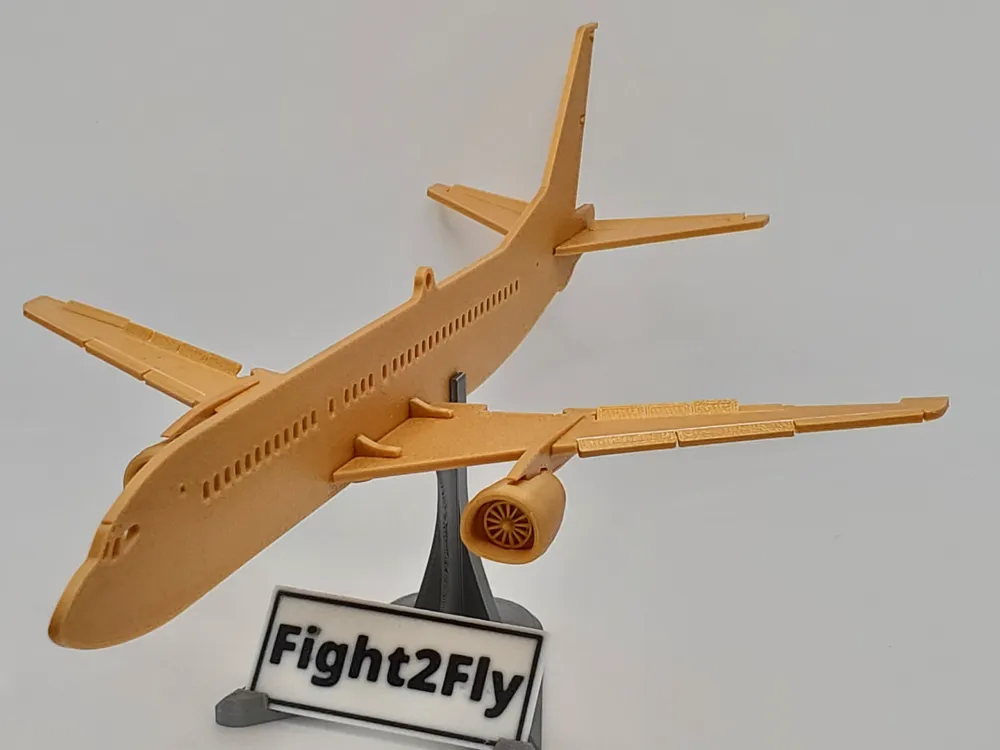
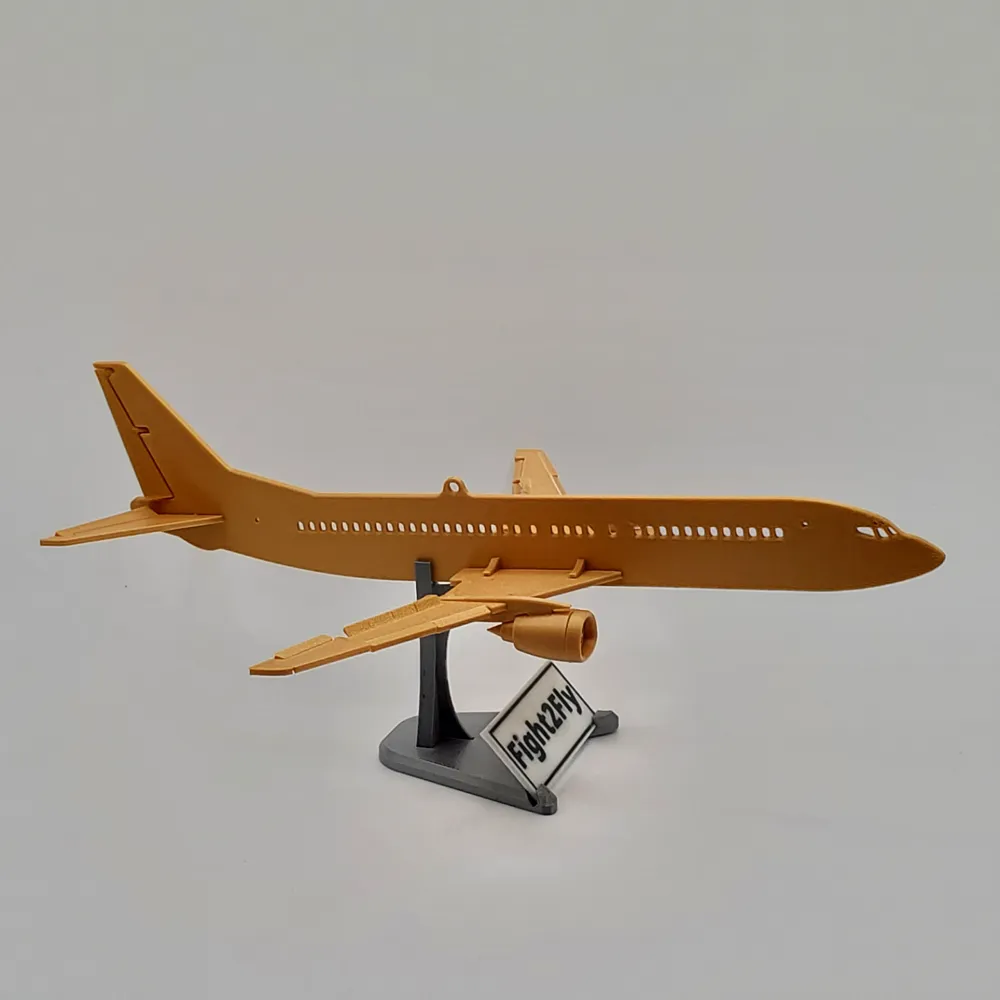
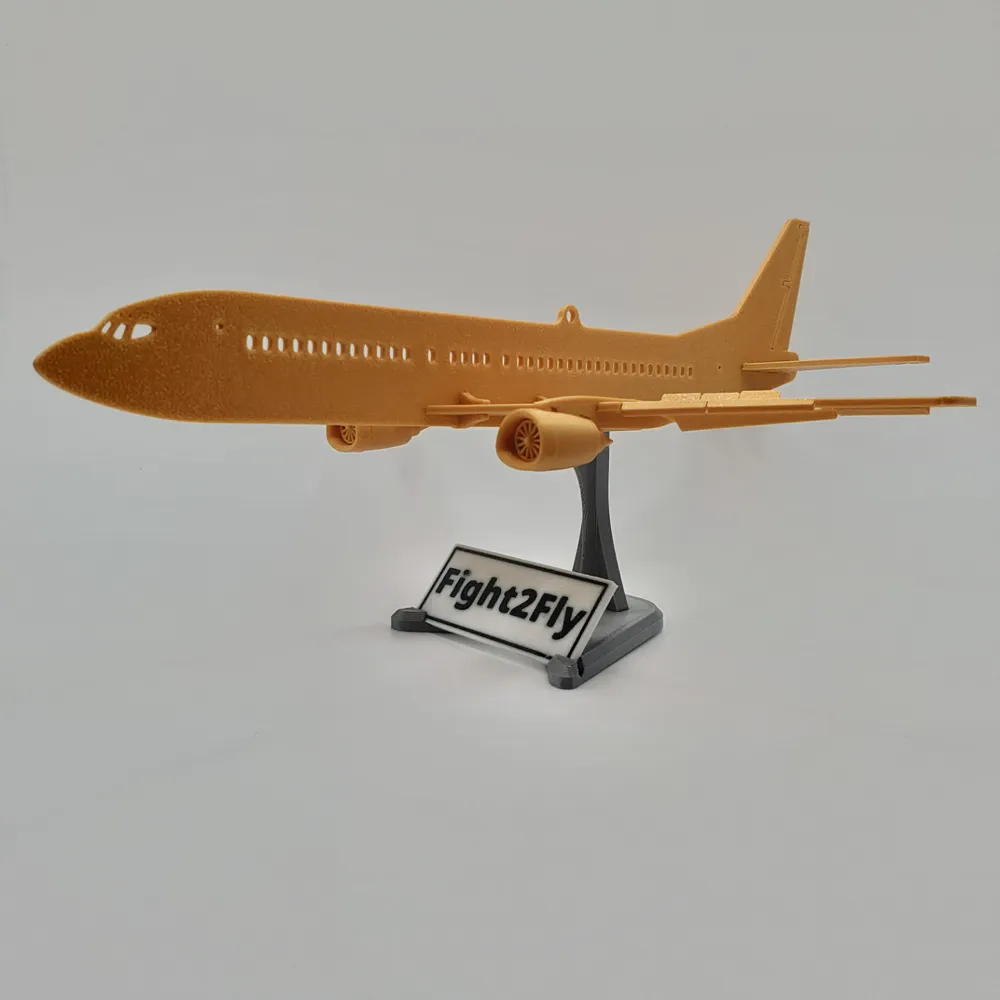
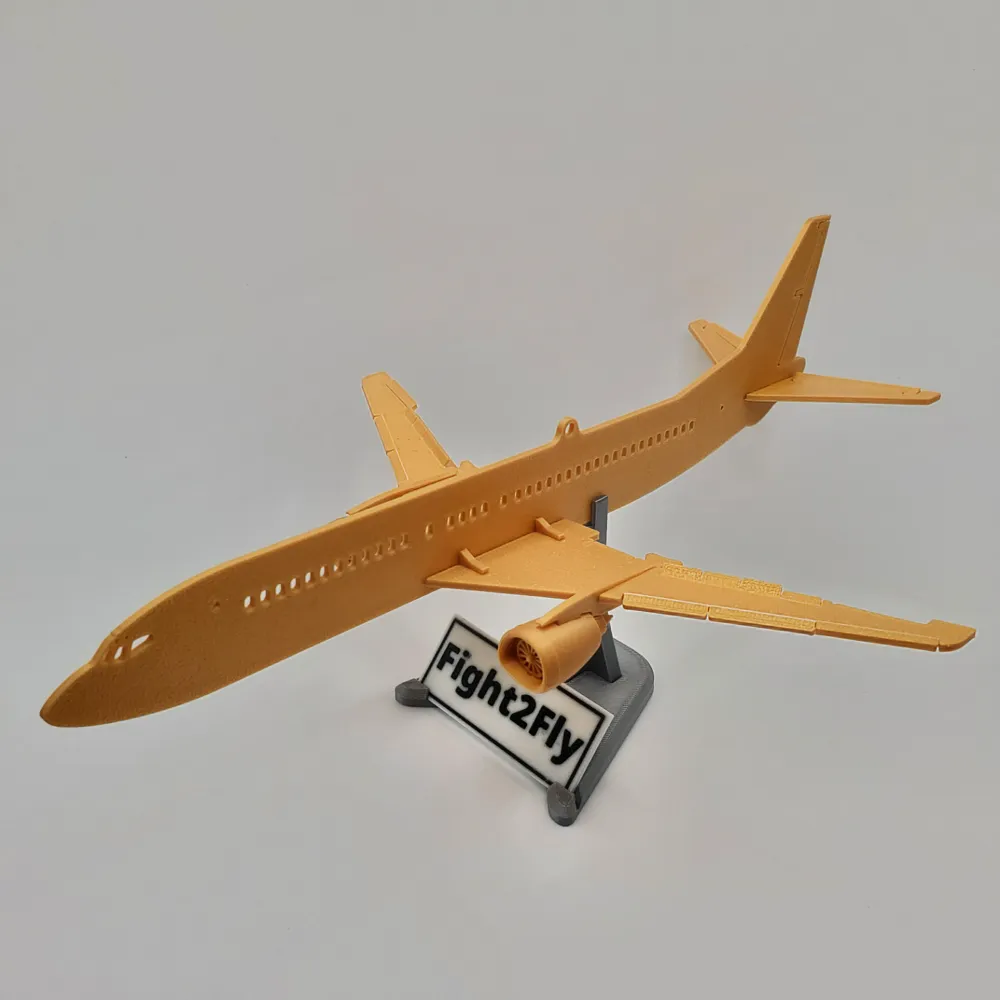
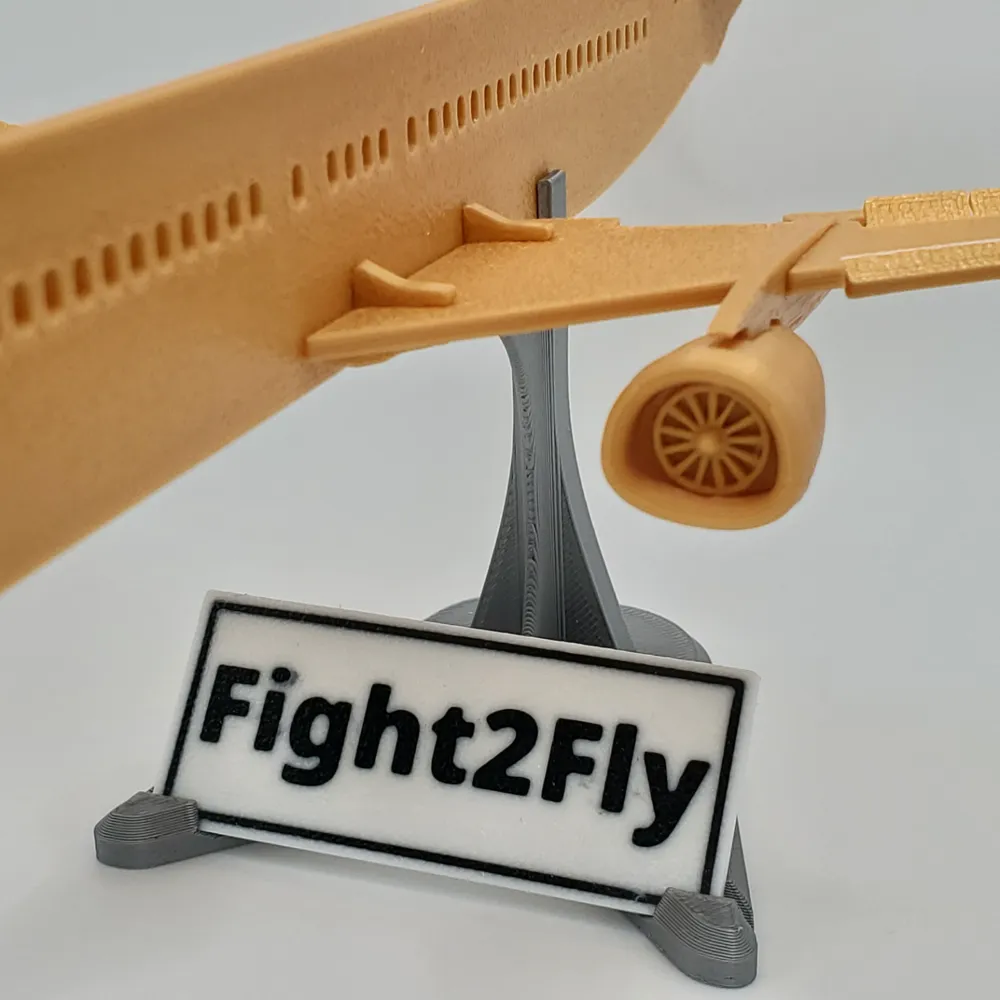
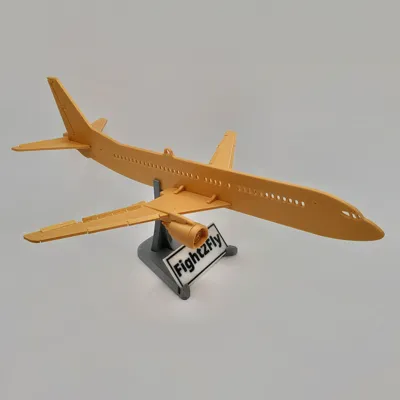
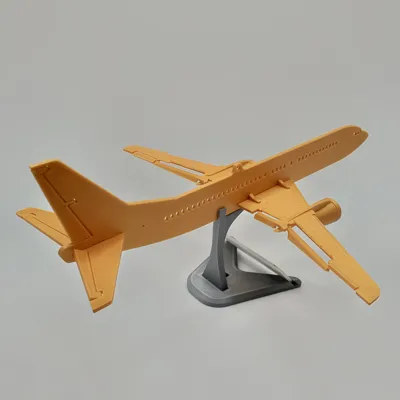
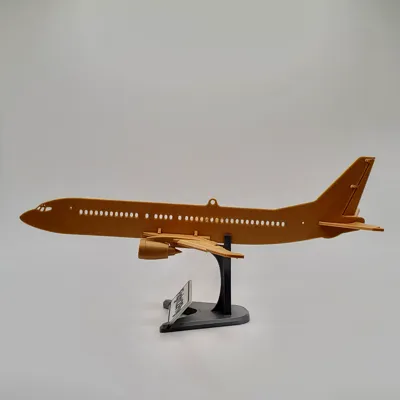
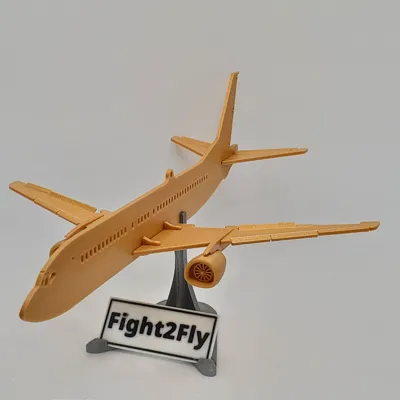
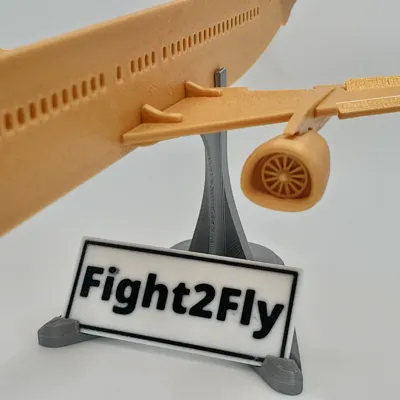
This one will require some glue when assembling the engine and pylon. Insert the intake fan into the engine core snugly, then glue the inlet into place. Next, glue the engine onto the pylon. The pylon to wing join should be snug enough to not require glue. But, you've already taken the effort to get it out, unstick your fingers from previous use, so you might as well go crazy with it.
Boost Me (for free)
Your boost is a tremendous help toward developing more models as they help me keep buying that sweet Bambu filament! THANK YOU!
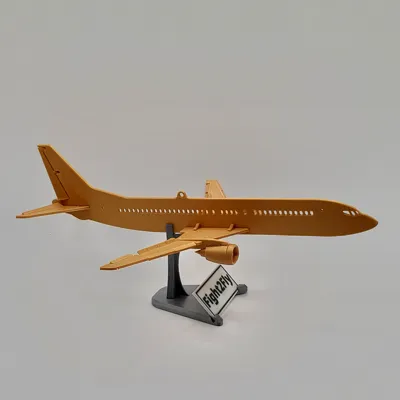
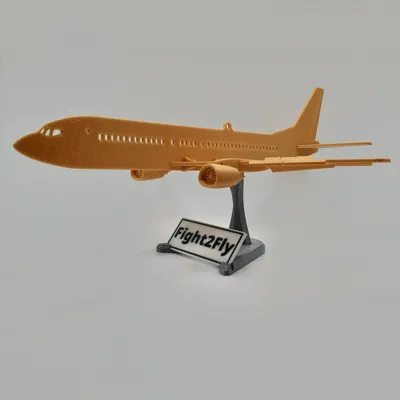
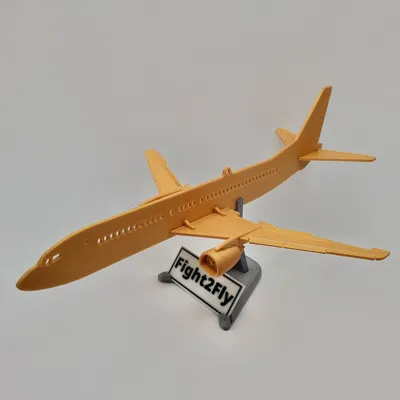
Here's the stand that I used in the photos: https://makerworld.com/en/models/588924#profileId-510254
Commercial licenses are now available: Membership | Fight To Fly Studio
License

You shall not share, sub-license, sell, rent, host, transfer, or distribute in any way the digital or 3D printed versions of this object, nor any other derivative work of this object in its digital or physical format (including - but not limited to - remixes of this object, and hosting on other digital platforms). The objects may not be used without permission in any way whatsoever in which you charge money, or collect fees.


Comment & Rating (2)