Search models, users, collections, and posts


Print Profile(2)

0.2mm layer, 2 walls, 15% infill
Designer
26 min
1 plate

0.2mm layer, 2 walls, 15% infill
Designer
17 min
1 plate
Open in Bambu Studio
Boost
3
7
1
0
15
8
Released
Description
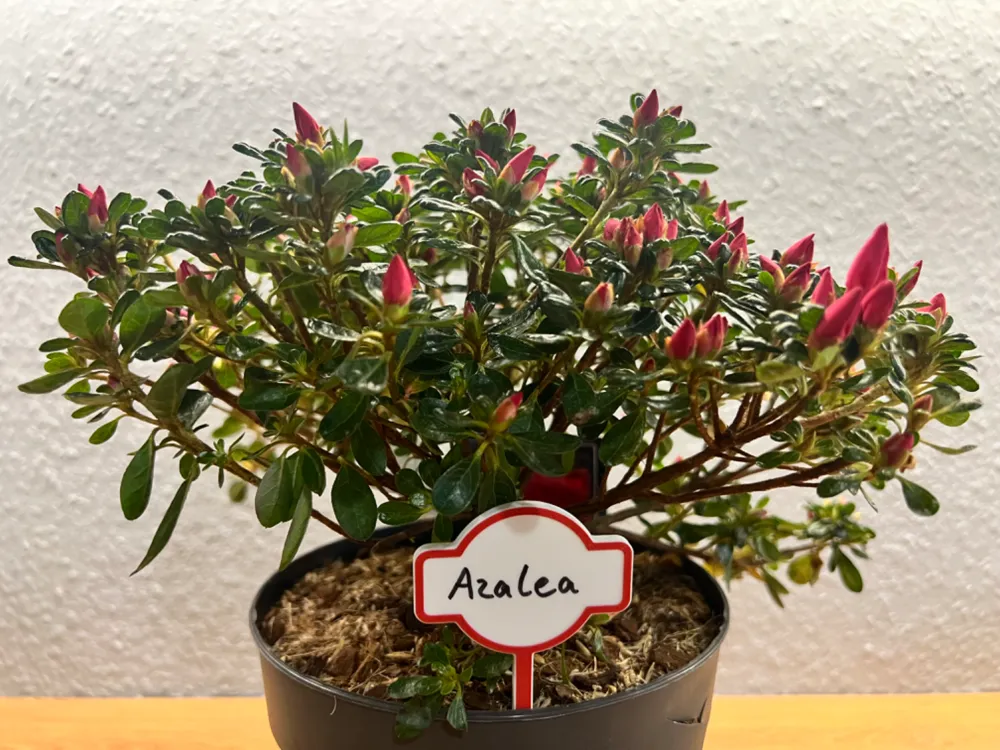
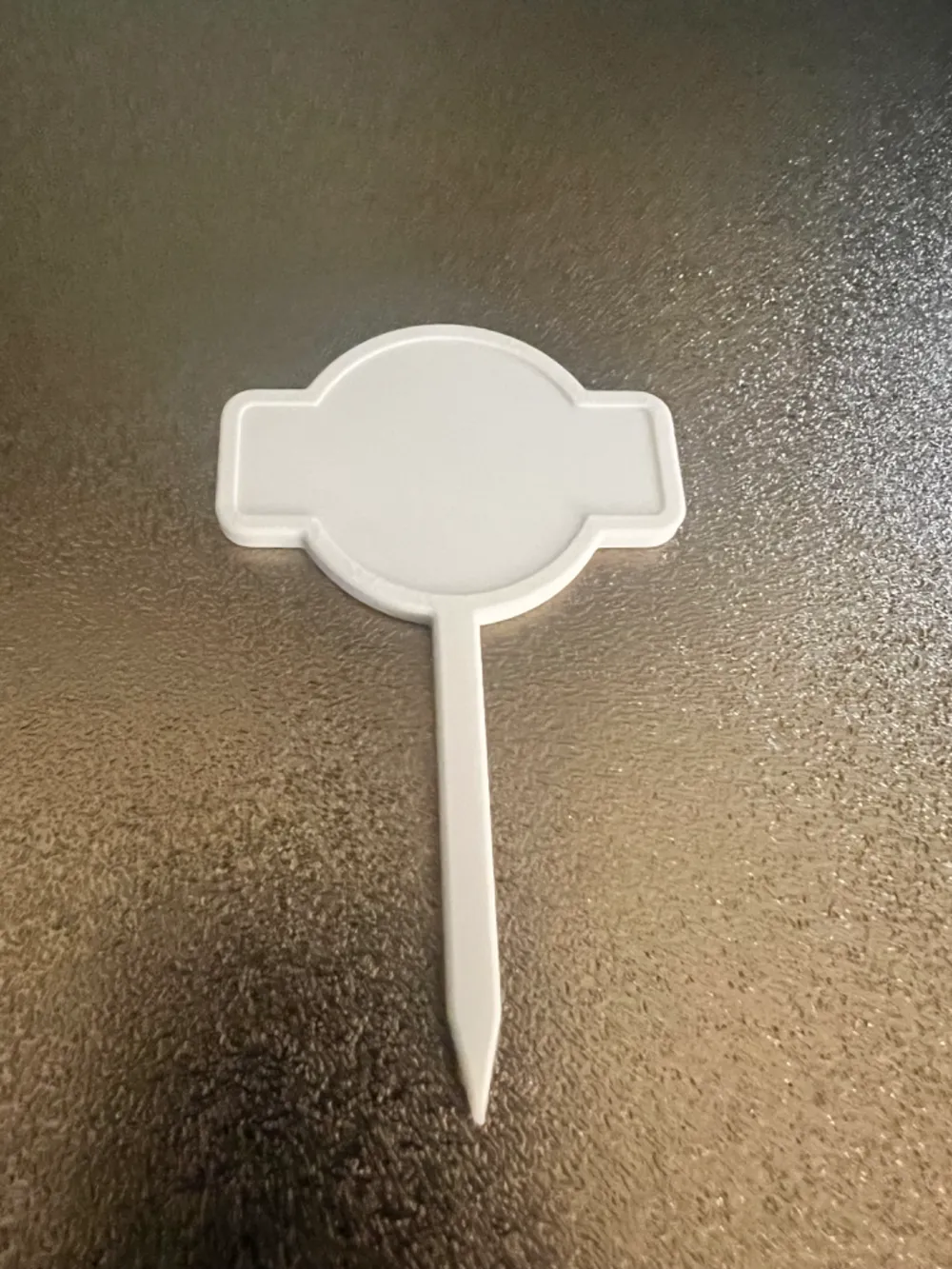
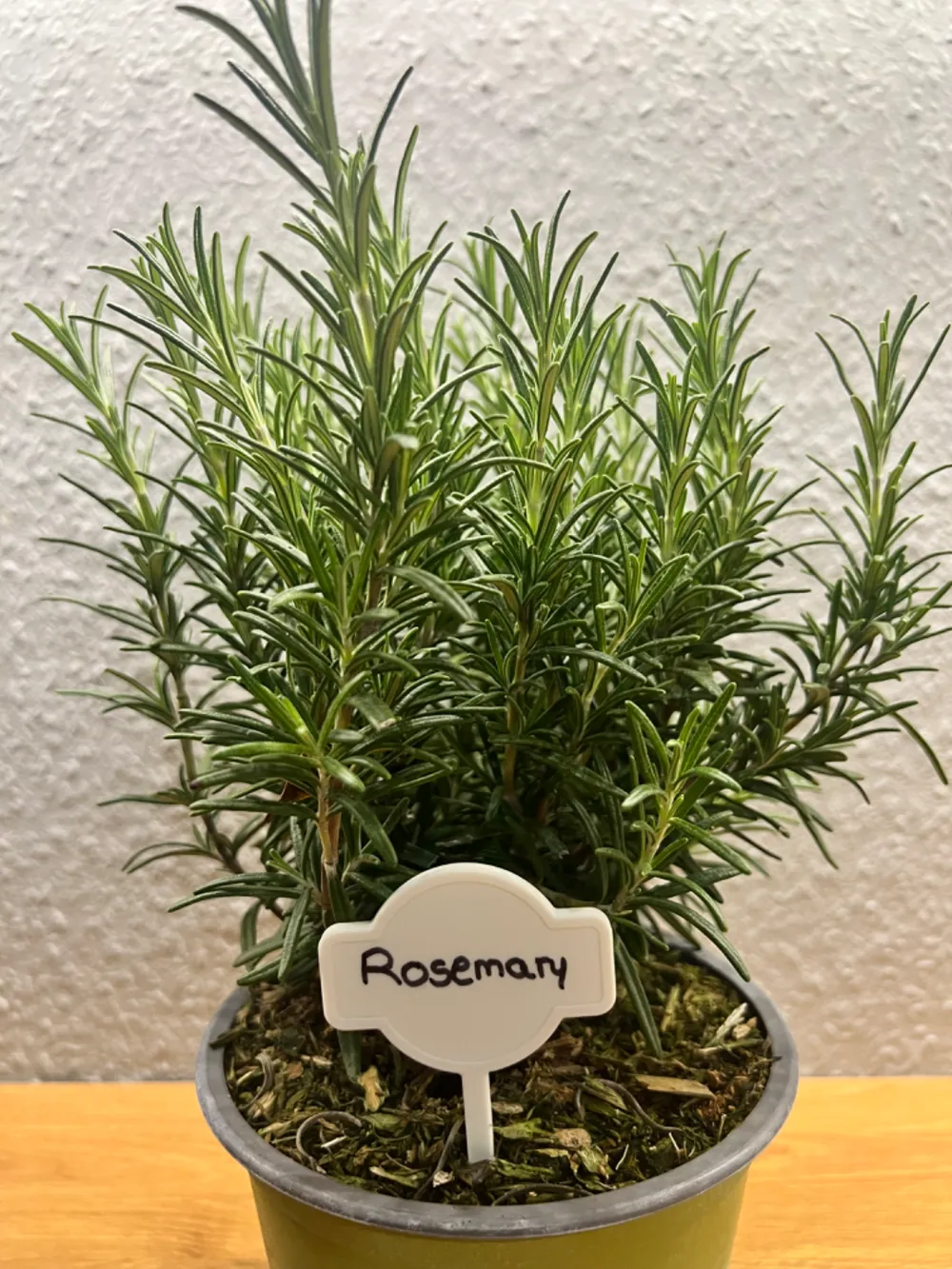
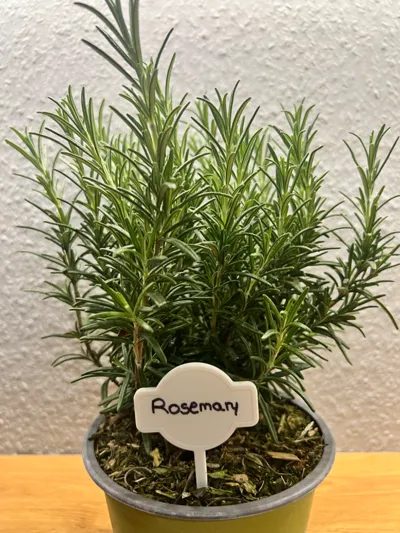
Labeling your plants is a great way to keep track of what you have planted, where it is, and when it was planted. This can be especially helpful if you have a large garden or if you are growing plants that you are not familiar with.
Once you have your labels, simply write the name of the plant, the date you planted it, and any other relevant information on the label. Then, stick the label in the ground next to the plant. Labeling your plants is a simple way to stay organized and keep your garden looking its best.
Here are some additional benefits of labeling your plants:
- It can help you identify plants that are not doing well. If you have a plant that is not thriving, you can easily identify it by looking at its label. This will help you to troubleshoot the problem and take steps to correct it.
- It can help you plan your garden. When you know what plants you have, you can start to plan where you want to plant them. This will help you to create a garden that is both beautiful and productive.
- It can help you learn about plants. As you read the labels on your plants, you will learn about their names, their origins, and their care requirements. This knowledge will help you to become a better gardener.
If you are not already labeling your plants, I encourage you to start. It is a simple way to improve your garden and make it more enjoyable.
License

This user content is licensed under a
Creative Commons Attribution-Noncommercial-Share Alike
Comment & Rating (1)