
WORKING pulsejet
Print Profile(2)


Bill of Materials


Description
Boost Me (for free)
BOOST IF IT WORKS:)
This is a fun project but proceed with cauton it can reach temperatures above 1000 degrees.
DO NOT TRY TO PRINT IT FASTER IT WILL FALL OVER.
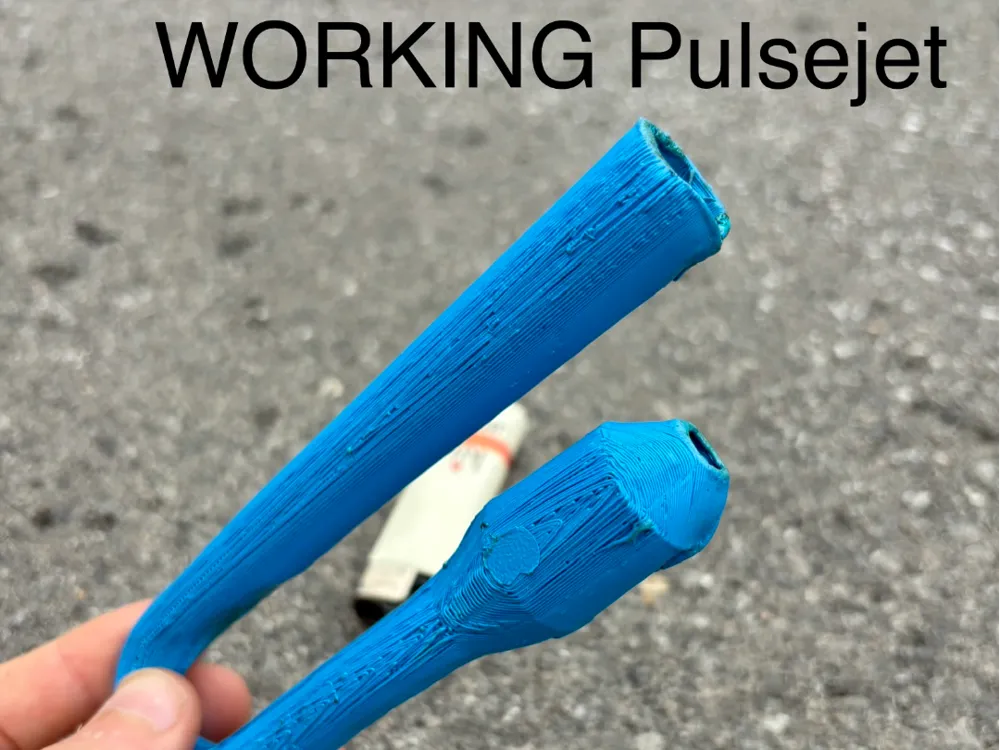
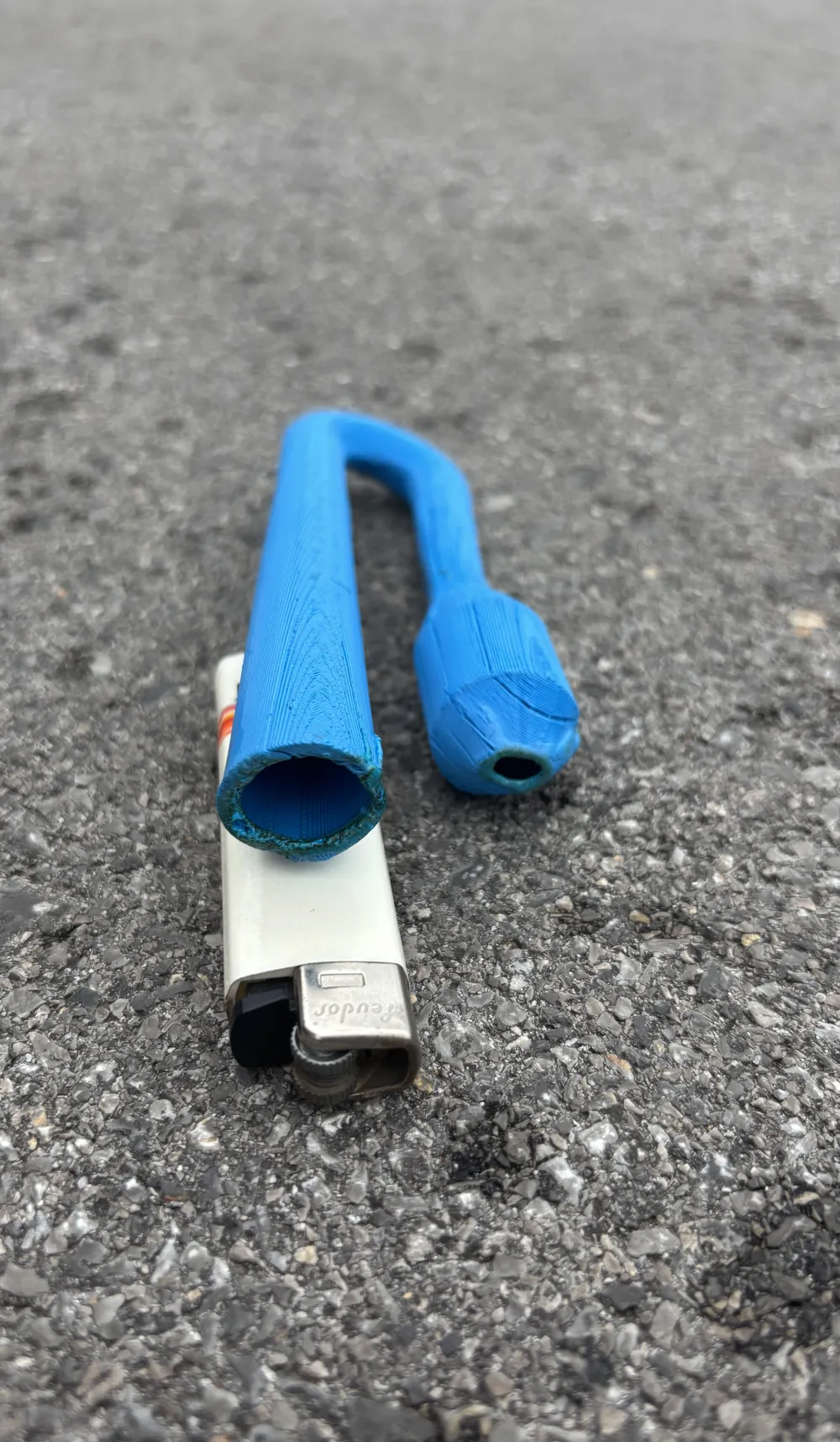
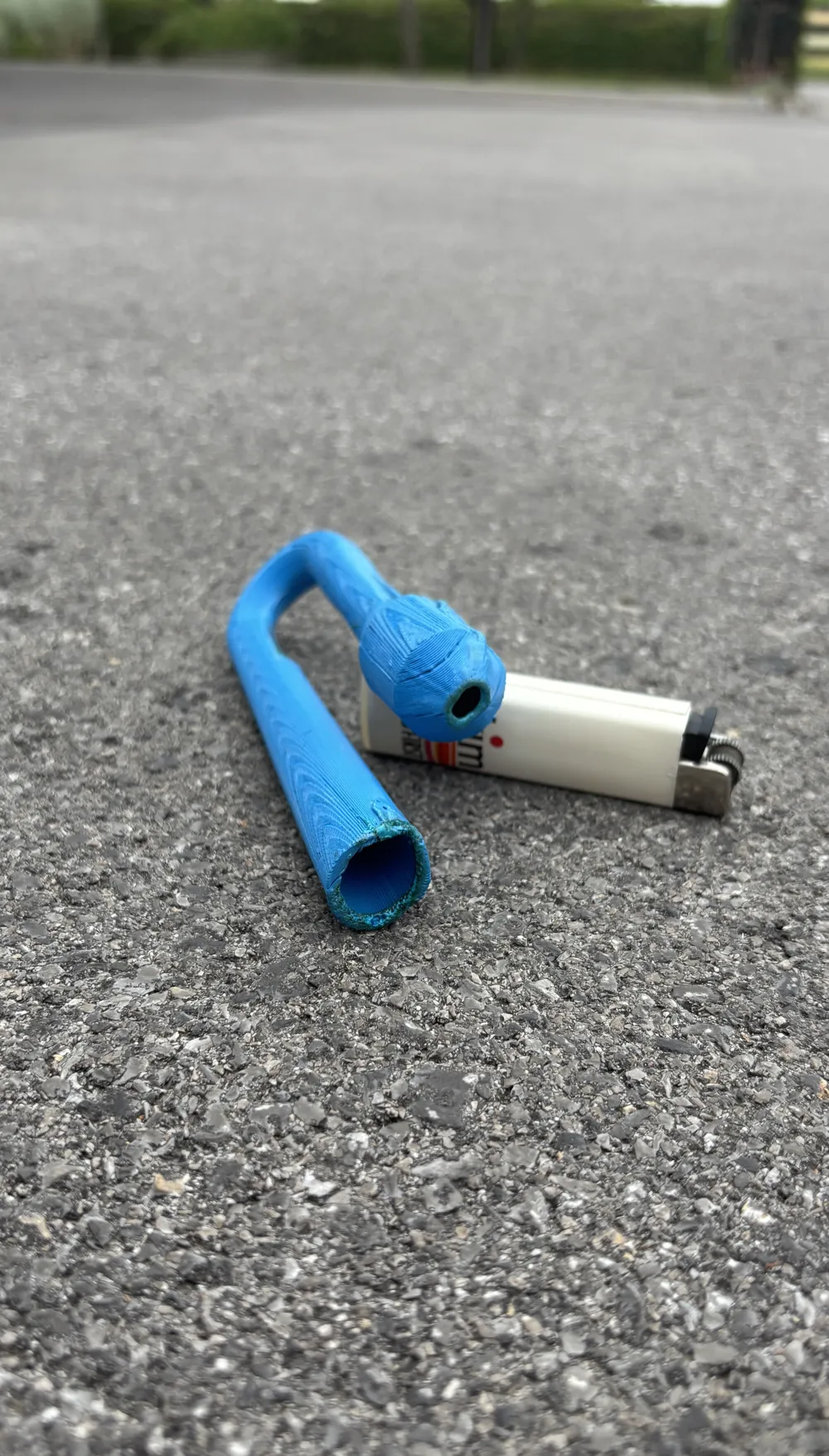
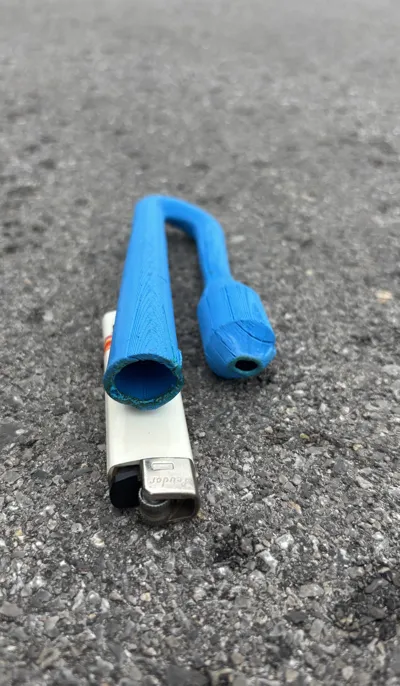
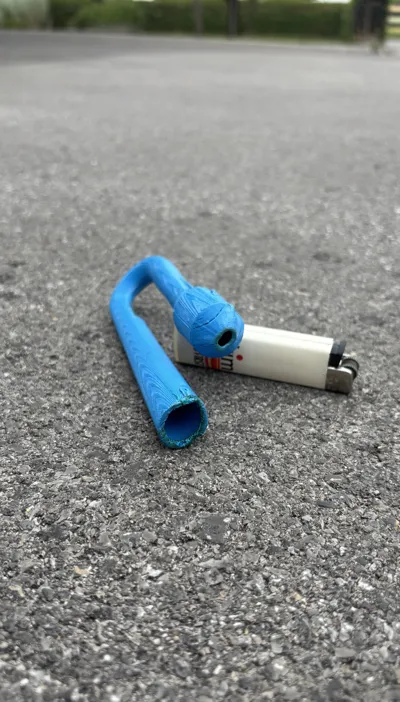
This project is a homemade pulsejet engine designed for educational and experimental purposes. The engine is fueled with 96% ethanol (alcohol), although other suitable pulsejet fuels may also be used with the appropriate precautions.
To start the engine, add the fuel, shake the engine to distribute it, supply it with air, and then ignite it with a lighter.
The current prototype ran successfully for approximately 5 seconds before the fuel was used up. This demonstrates that the design is functional and provides a solid foundation for future improvements. My next goals are to increase the runtime, optimize the fuel system, and further improve the engine's overall performance and reliability.
Unfortunately, I wasn't able to include a video of the successful run because I forgot to record it.
For printed components, PETG is recommended over PLA due to its higher heat resistance and better durability in environments where elevated temperatures may be encountered.
License



Comment & Rating (0)