
Raspberry Pi 4B Case
Print Profile(0)
Description
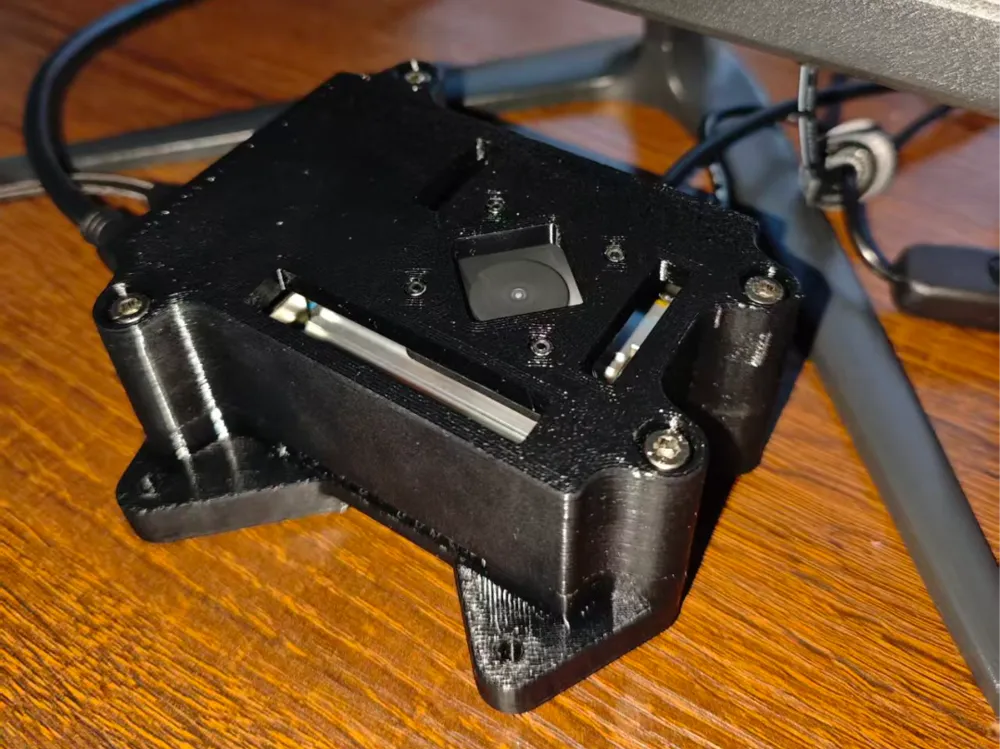
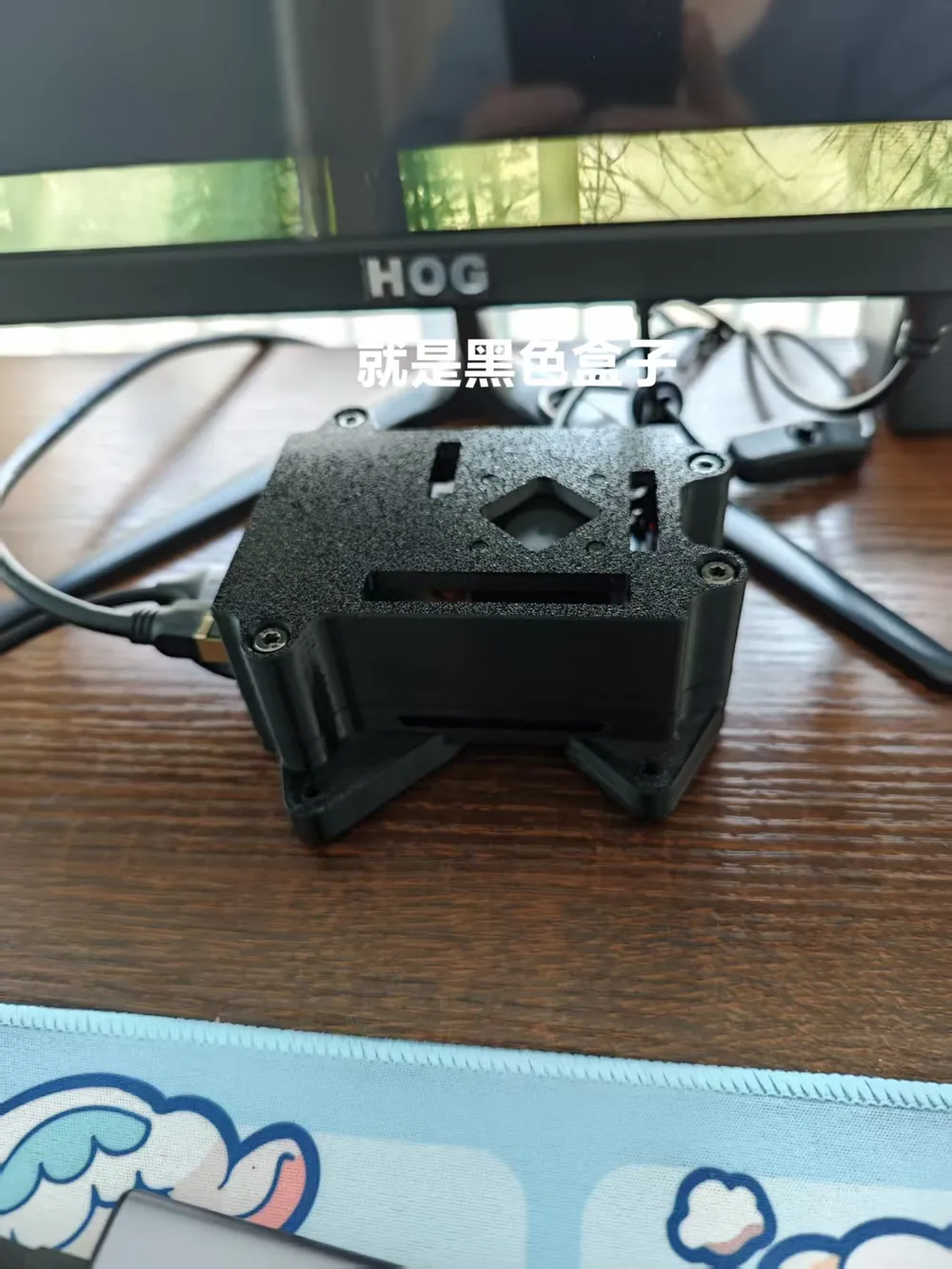
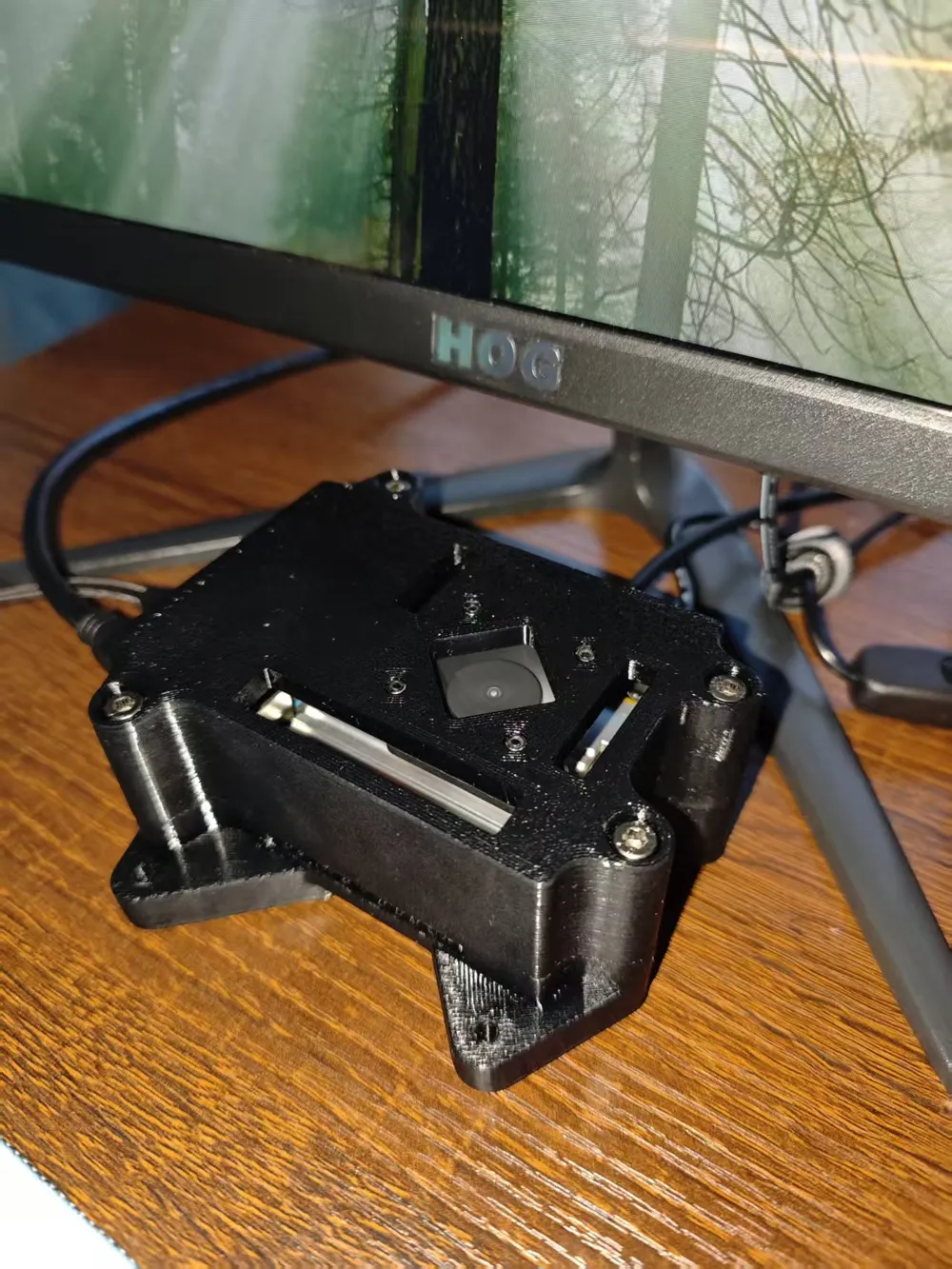
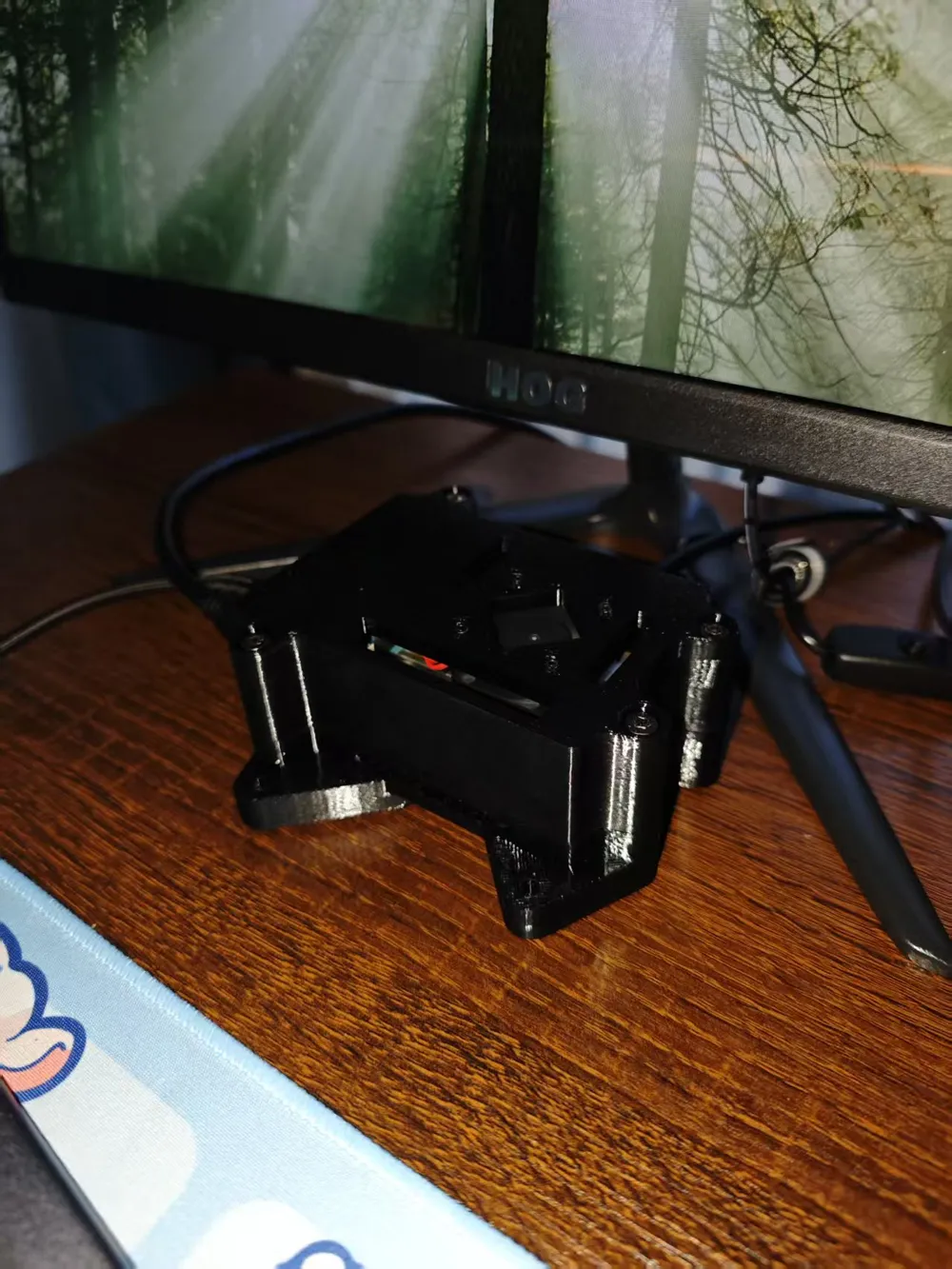
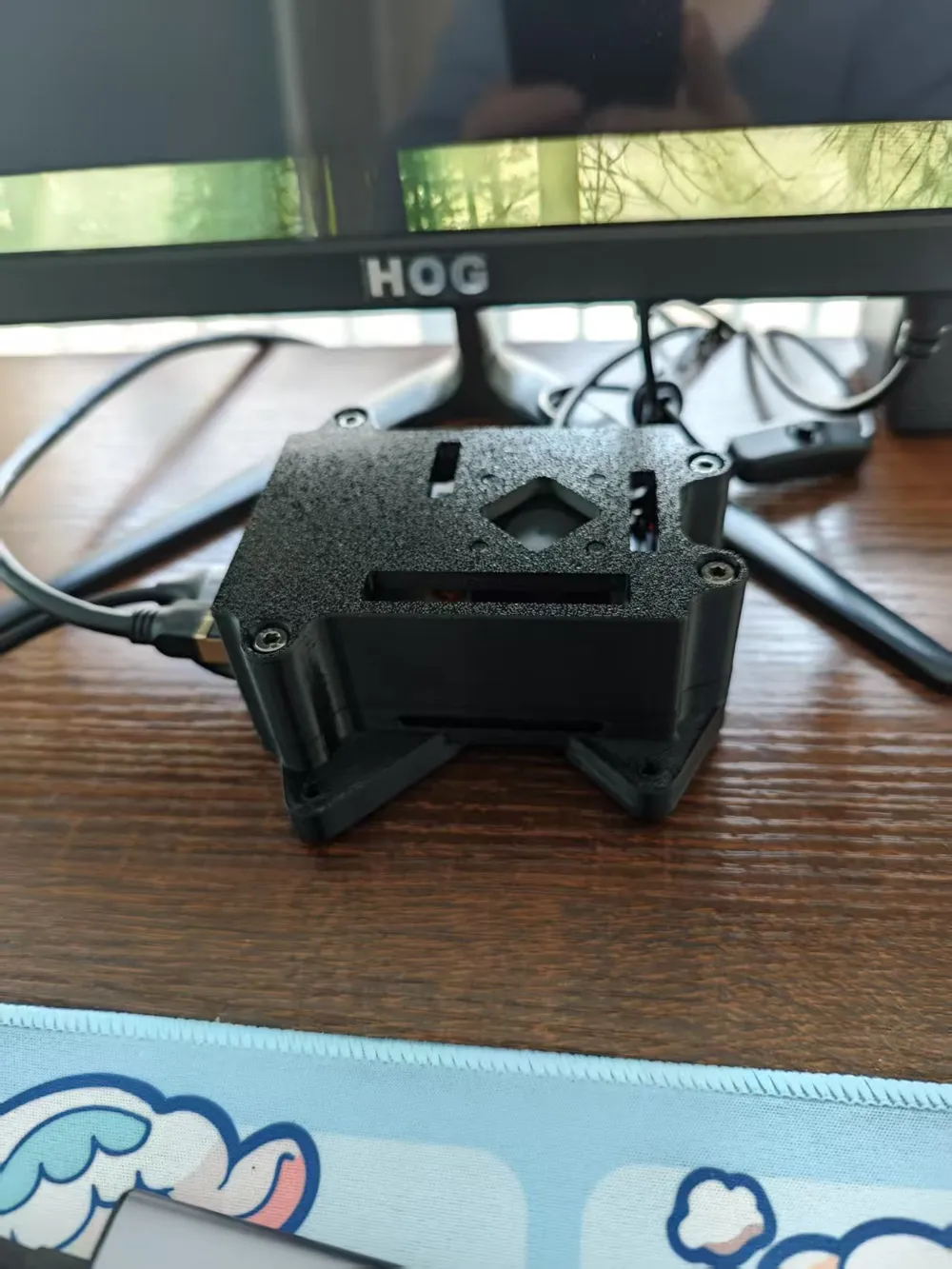
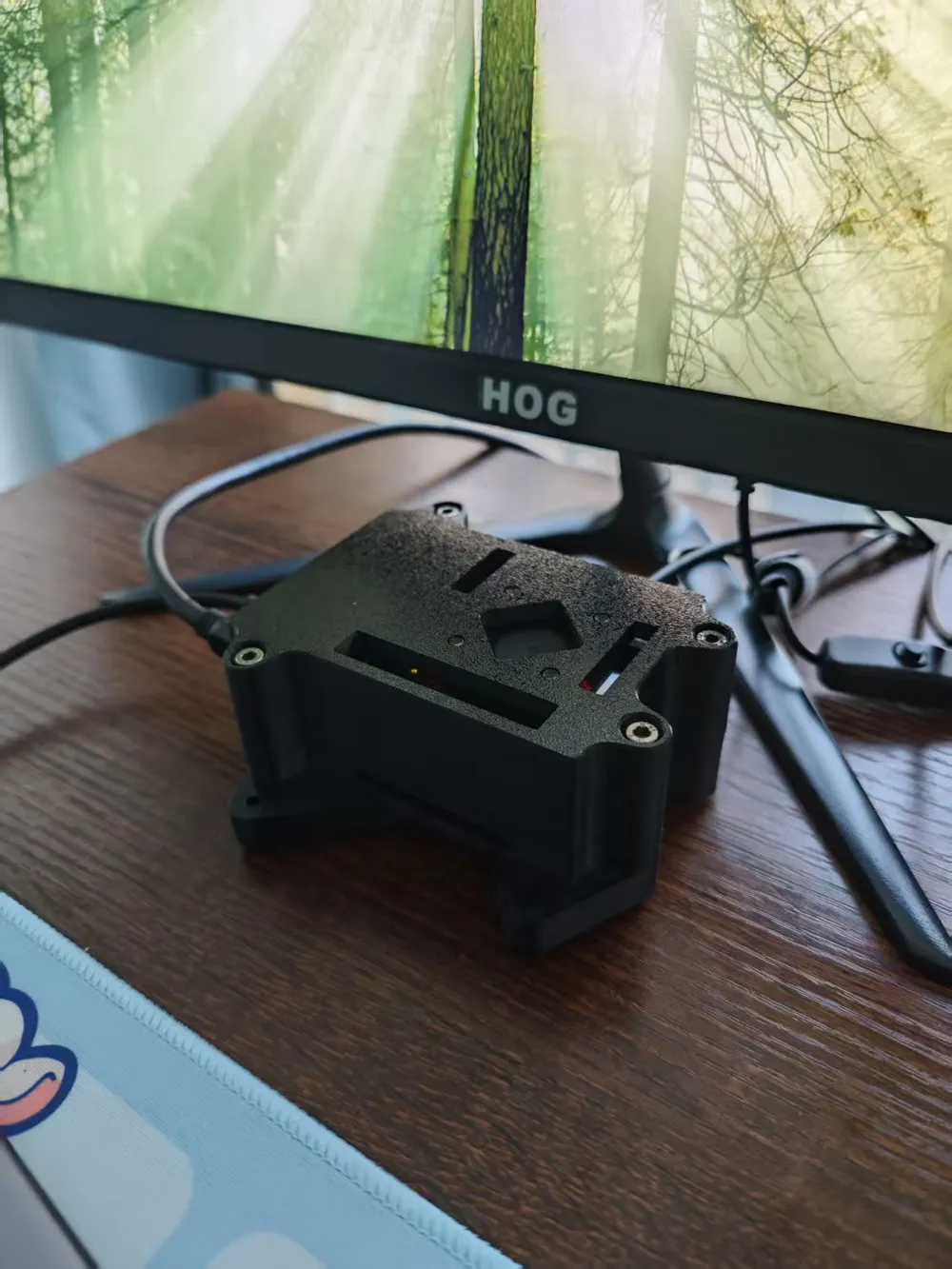
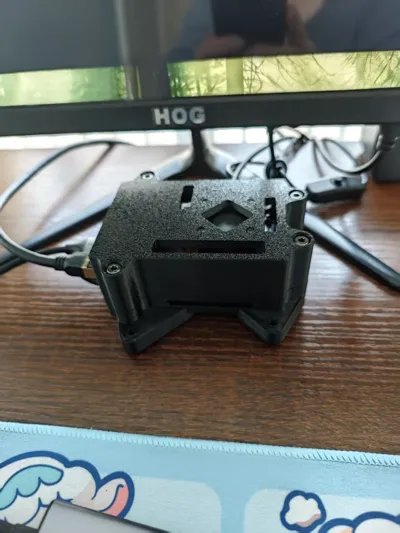
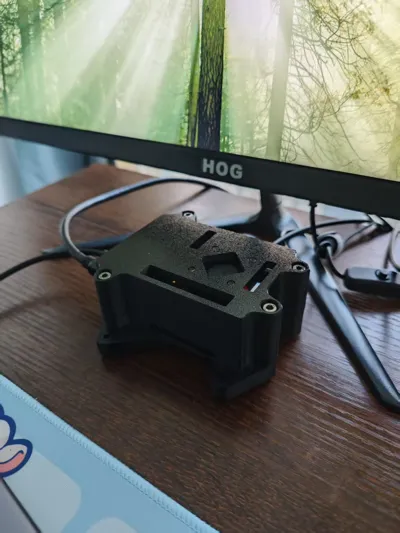
3D printed casing recommended PC material, ABS is also acceptable
For aluminum plates, it is recommended to get free or special offer prototyping from JLCPCB
FPV drone M2*4.5 buffer post *10
M4*40 screw strength 12.9
M2*20 screw strength 12.9
M2 self-locking nut *10
M2*15 flat head screw *4
One 3010 dual ball bearing fan (fan intake facing up, exhaust facing down)
JST/SYP-2P male and female connector kit
Crimping pliers, wire strippers
Thermal silicone pad (24W/m·K, slightly larger than CPU size) purchase one piece each of 0.5mm and 1mm thickness, cut to size yourself
Casing material PC (Polycarbonate)
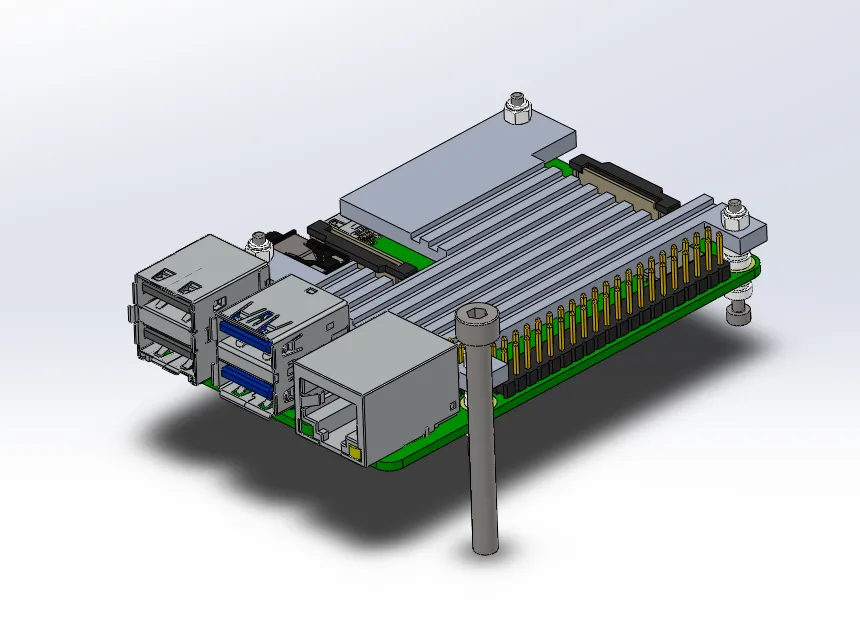
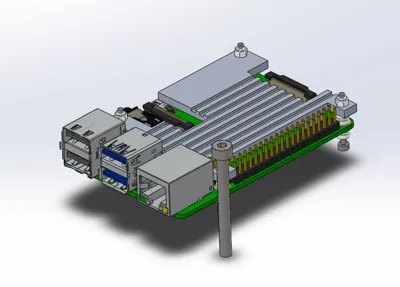
Aluminum plate 6061 aluminum alloy, 3mm thick, covers CPU and memory areas
Thermal silicone pad 24W/m·K, thickness approximately 1.0-1.5mm (adjust according to assembly gap)
Fan 3010 (30×30×10mm), 5V, dual ball bearing (PWM optional)
Fan to aluminum plate distance 7.42mm
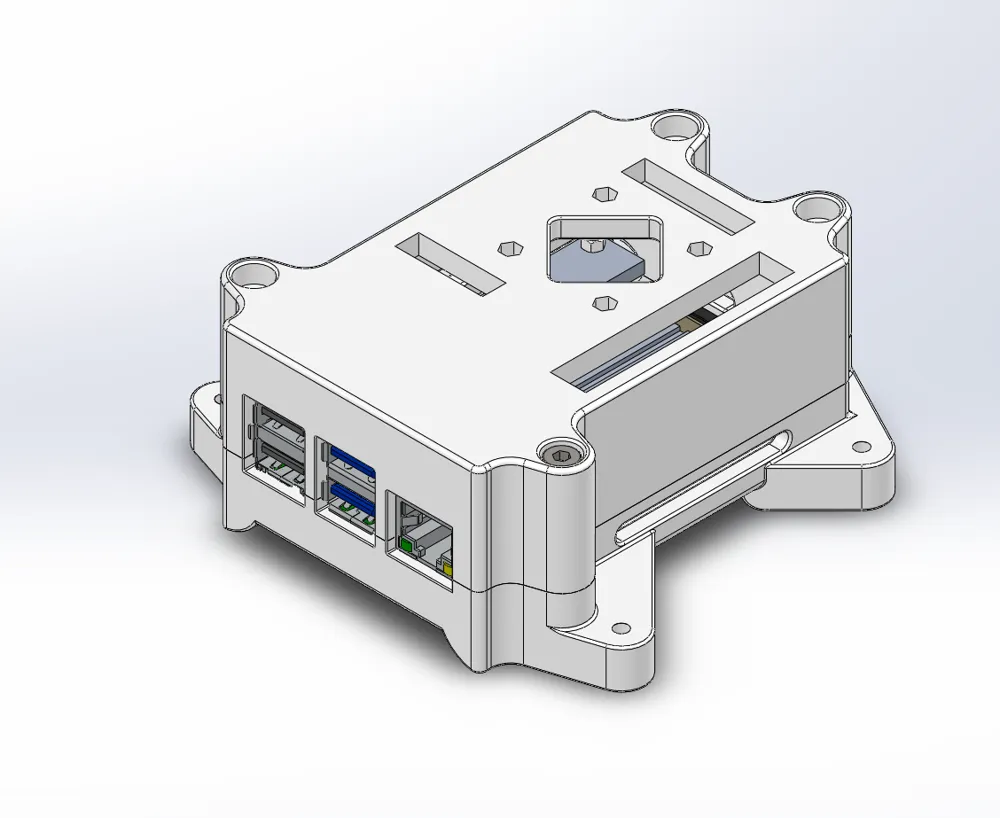
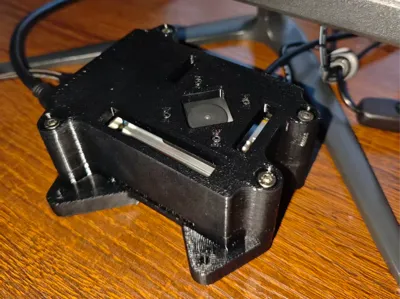
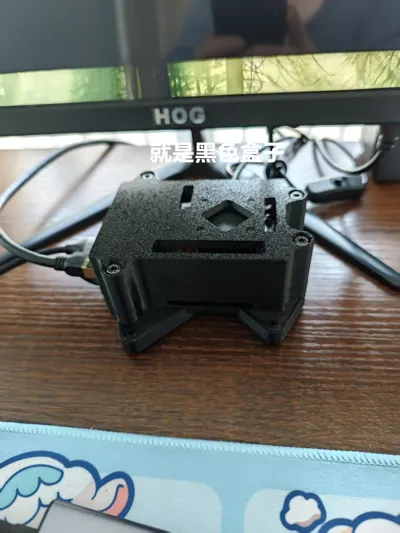
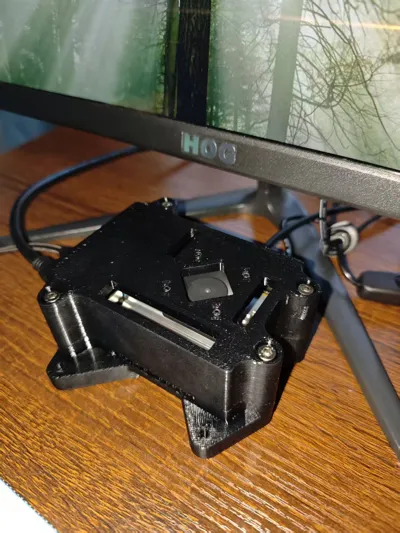
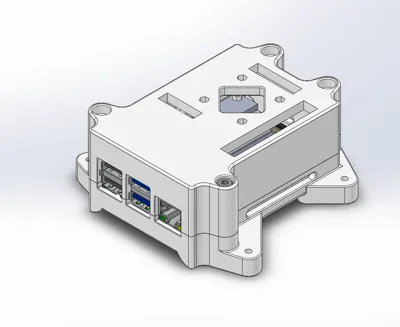
Top intake vent 28×28mm rounded square (R2), C0.5 chamfer on outer edge
Bottom exhaust vent 8 straight slots, 45mm×3mm, total area approximately 1080mm²
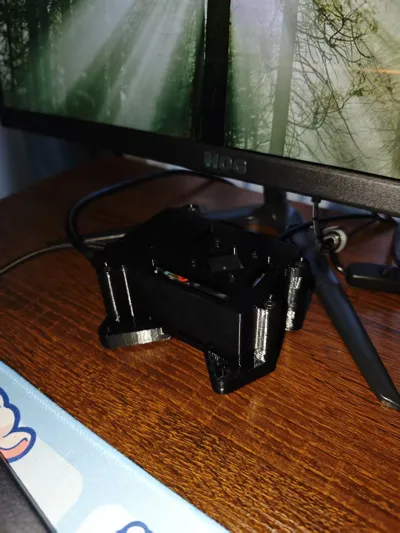
Side exhaust vents Front and rear low position (5-10mm), rear mid-high position (15.18mm)
Feet Left and right sides, 5mm high
Mounting method M4 screws fix upper and lower casing (through-hole + nut or brass nut); M2 screws fix aluminum plate and PCB (through-hole + nut)
Total height 40mm (45mm with feet)
Internal height 29.5mm
Cooling principle
Heat conduction
Heat generated by the CPU and memory chips is rapidly transferred to the 3mm aluminum plate via a 24W/m·K thermal silicone pad
Active air cooling
The top 3010 fan blows cold air downwards, creating a high-pressure zone within a short distance of 7.42mm, directly impacting the aluminum plate surface and carrying away the heat absorbed by the aluminum plate
Air duct design
After passing the aluminum plate, the airflow diffuses outwards. Part of it exits from the rear mid-high exhaust vent (15.18mm), carrying away residual heat from the core area; the other part flows downwards, exiting from the front and rear low exhaust vents (5-10mm) and the 8 straight slots at the bottom. The total area of the exhaust vents is much larger than the intake vent, ensuring no accumulation of hot air
Support and anti-reflux
The 5mm feet on both left and right sides completely suspend the bottom, and the straight slots at the bottom effectively discharge hot air, preventing hot air reflux. The side low exhaust vents further assist in exhausting air, forming a three-dimensional heat dissipation network
Actual measurement data
Test environment: Raspberry Pi 4B 8GB version, system idle, 5-minute full load test performed with stress
Status Temperature
Idle 32.1℃
5 minutes full load Stable at 50-52℃ (peak 52.1℃)
After stress test Drops to 36.5℃ within tens of seconds
Throttling status throttled=0x0 (never throttled)
Conclusion: This solution reduces the full load temperature from over 90℃ with passive cooling to around 50℃, a temperature drop exceeding 40℃, with no risk of throttling and excellent heat dissipation performance
This project is released under the CC BY-NC-SA 4.0 license
You are free to share and modify this design, but you must attribute the original author
Commercial use is prohibited
Modified works must be shared under the same license
For commercial licensing, please contact the designer
zzzxxxzzz01265
License

You shall not share, sub-license, sell, rent, host, transfer, or distribute in any way the digital or 3D printed versions of this object, nor any other derivative work of this object in its digital or physical format (including - but not limited to - remixes of this object, and hosting on other digital platforms). The objects may not be used without permission in any way whatsoever in which you charge money, or collect fees.


Comment & Rating (2)