
Print Profile(1)



Description
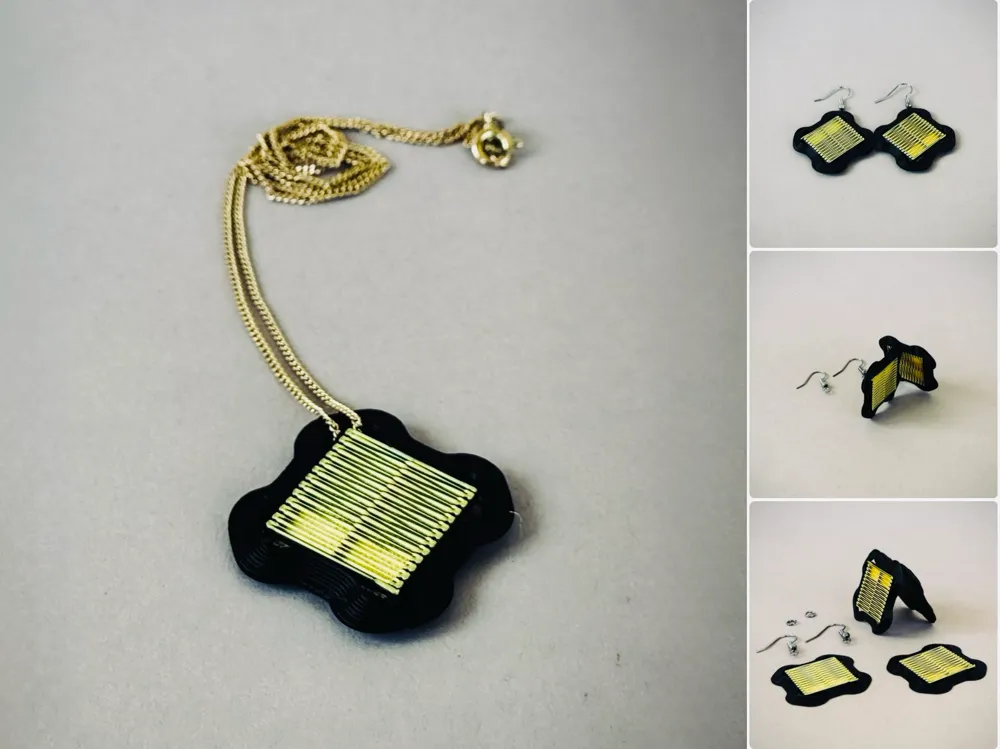
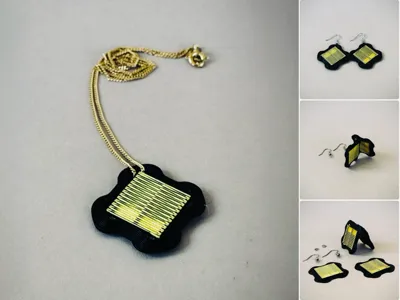
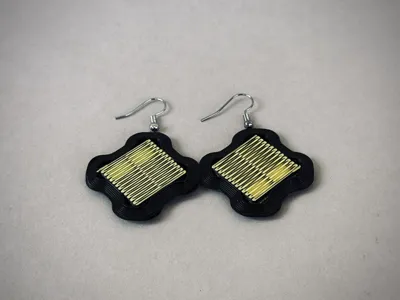
A silhouette defined by the rhythmic, vertical “setbacks” of the New York City skyline, the Ziggurat Vault is a study in Zigzag Moderne. This piece translates the geometric grandeur of the Chrysler Building into a wearable, 21st-century artifact.
The Ziggurat Vault
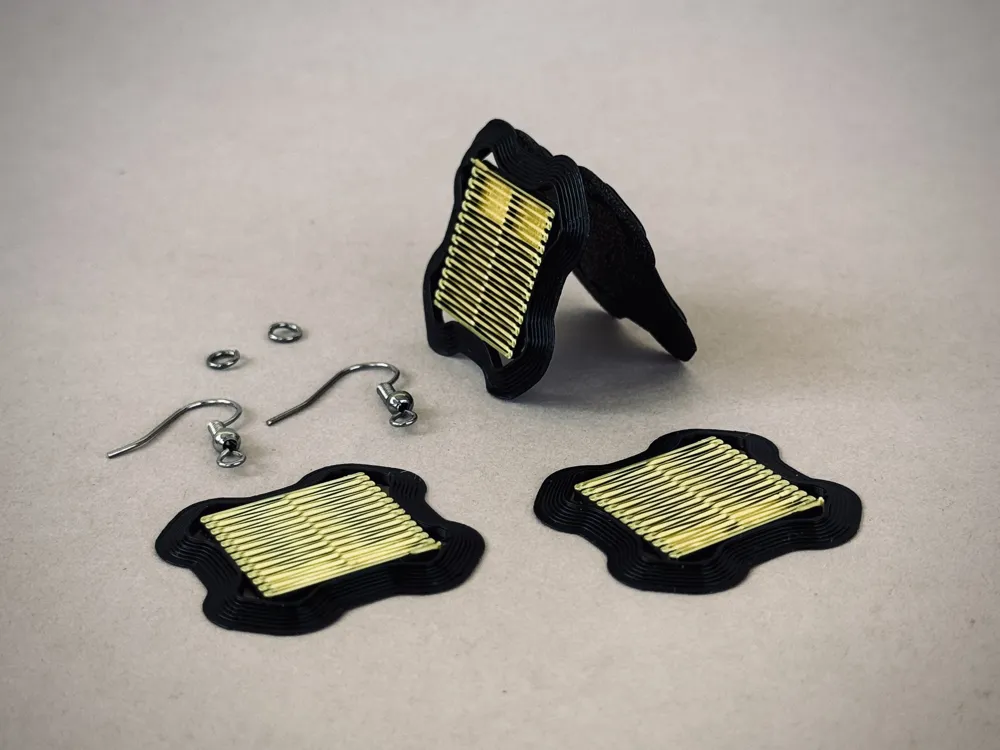
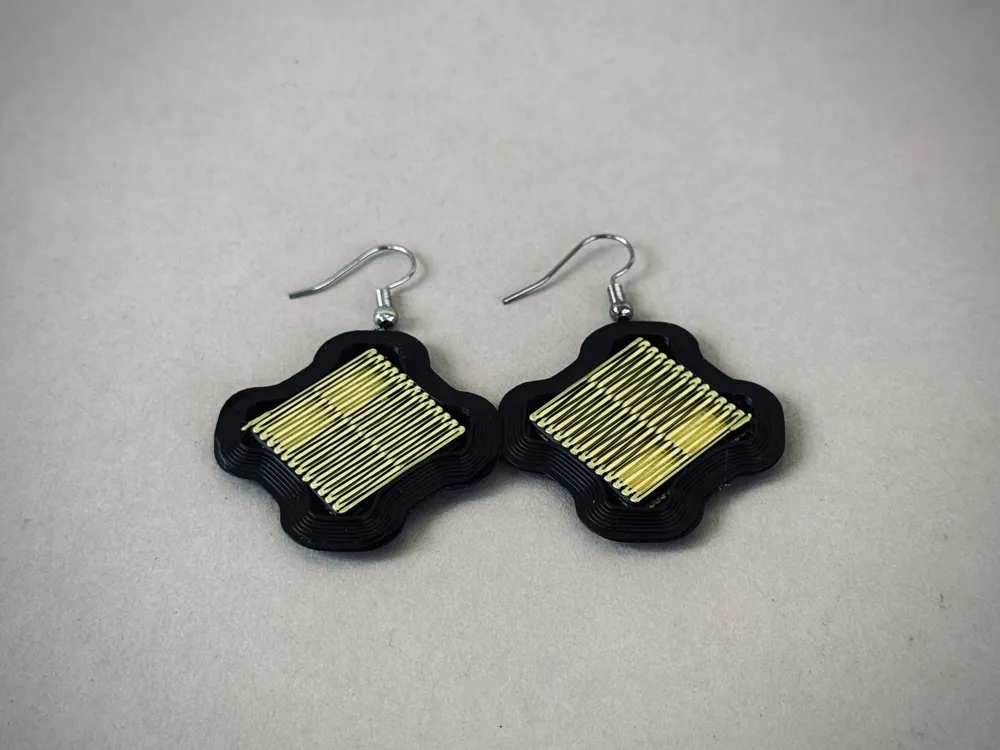
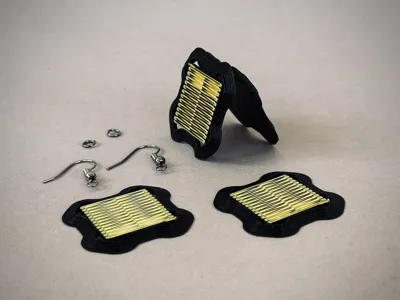
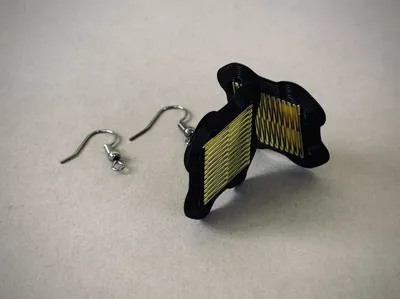
Constructed from stratified 1.6mm layers, the Vault’s profile is a deliberate synthetic cubist assemblage. The surface is traced with gold “force lines,” which serve as a contemporary tribute to the speed and dynamism of the original machine age.
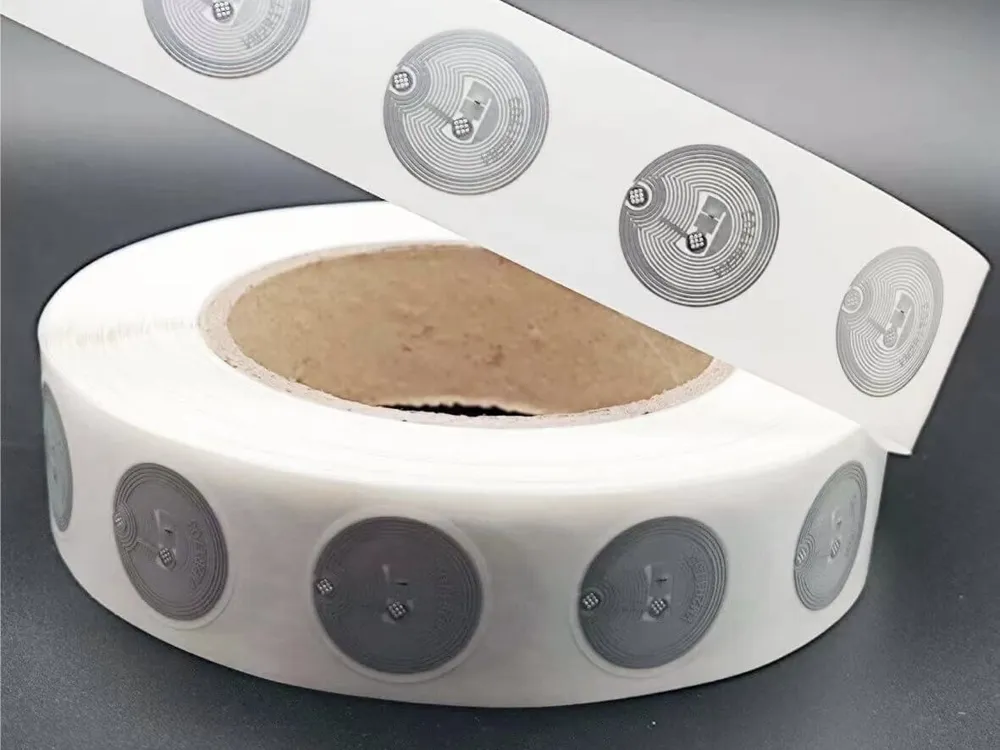
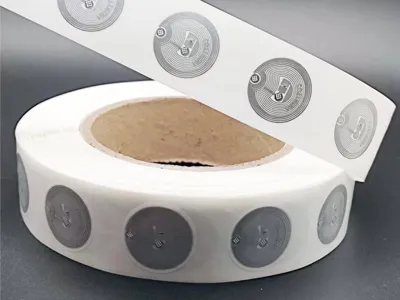
Discreetly integrated within this streamlined Art Deco housing is an NFC interface, allowing the piece to function as a programmable link between the physical and the digital. It is a permanent architectural ornament designed for an evolving world: a machine-age icon for the modern collector.
The Prime Towers
The Ziggurat Vault is a piece of “functional jewelry” that operates within the formal vocabulary of Zigzag Moderne. It is Art de la Récupération: elevating the prime tower (usually a discarded industrial byproduct) into the primary artifact.
I. Material Recovery
By repurposing the 1.6mm Prime Tower as the structural housing, the design integrates the multi-material waste stream directly into the final geometry, reducing print waste by over 90%.
II. Decoupled Utility
A “Permanent Shell / Fluid Data” model. The matte black PLA (the 1920s “Bakelite”) and Silk Gold (the 1920s “Chrome”) shell remains a fixed ornament, while the encapsulated NFC (the 1920s “Radio”) is re-programmable. Digital content can be overwritten to suit evolving professional or social contexts.
III. The 90-Degree Axis
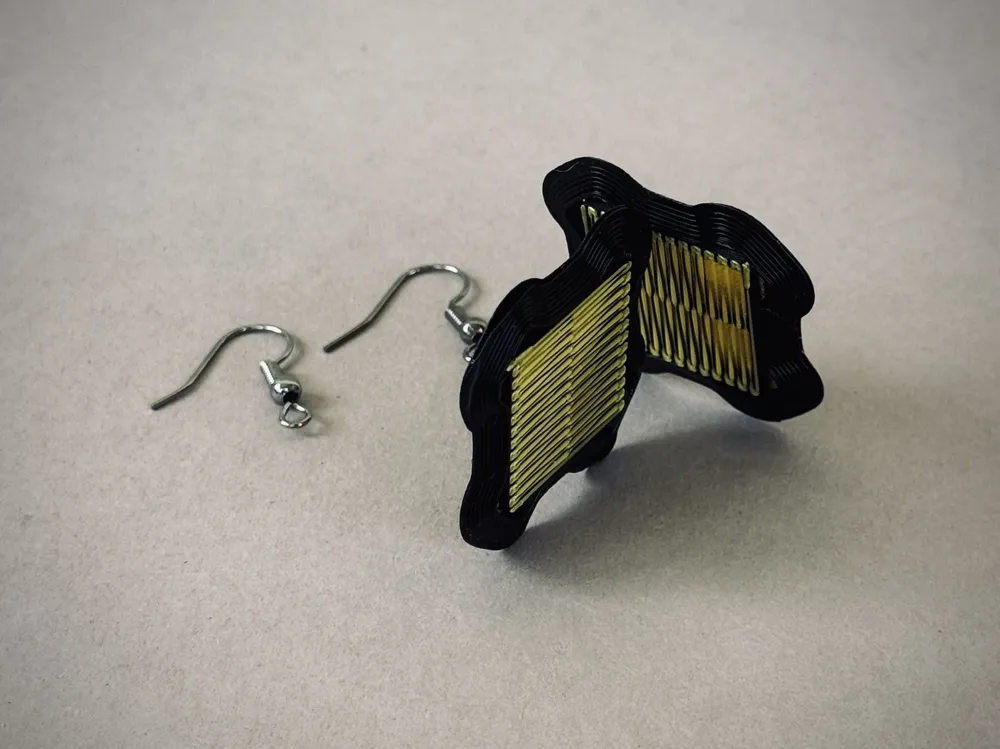
By rotating and bonding stratified slices at a 90-degree axis, the assembly gains significant shear strength. This technical pivot allows for the delicate “setback” geometry of the Chrysler Building crown to be realized in a thin, durable profile.
IV. The G-Code Sculpture
The surface finish is a literal record of the printer’s velocity and acceleration. These gold “force lines” act as kinetic metadata: a unique physical signature of the specific machine and slicer settings used during fabrication.
The Ziggurat Vault: An Art Deco FAQ
This collection of Frequently Asked Questions explores the historical, formal, and technical evolution of the Ziggurat Vault, a 21st-century artifact built on 20th-century foundations.
Historical Context: The Name and the Era
Q: Was this style actually called “Art Deco” in the 1920s?
A: No. During its peak (roughly 1910–1935), the movement was referred to as Style Moderne or simply Modernistic. The term “Art Deco” wasn't coined until 1966, following a retrospective exhibition in Paris titled Les Années 25, which celebrated the 1925 Exposition Internationale des Arts Décoratifs et Industriels Modernes.
Q: How does the “Ziggurat Vault” bridge these two eras?
A: The piece is a diachronic study, meaning it exists across two different time periods (1926 and 2026). It uses the Zigzag Moderne vocabulary of the 1920s but applies it to 21st-century FDM (Fused Deposition Modeling) technology, turning a 100-year-old architectural language into a wearable digital interface.
Design & Architectural Philosophy
Q: Does the tiered shape have a specific meaning?
A: Yes. The profile is a “Ziggurat,” a tiered pyramid structure that defined the Zigzag Moderne movement. This geometry was famously inspired by the 1916 New York City Zoning Resolution, which forced skyscrapers like the Chrysler Building to use "setbacks" to allow light to reach the streets.
Q: What are the “Force Lines” on the surface?
A: In the 1920s, “speed lines” were added to objects (from locomotives to toasters) to make them look fast and modern. In these earrings, the lines are G-Code Sculptures: the literal physical path of the 3D printer. This turns the “Machine Age” aesthetic into a “Digital Age” reality where the ornament is a record of the fabrication process.
Q: How do the materials relate to the original 1920s palette?
A: The design uses modern synthetic materials as “synonyms” for Art Deco luxury:
- Matte Black PLA acts as a 21st-century stand-in for Bakelite, the first synthetic plastic widely used in Deco jewelry.
- Silk Gold Filament serves as the modern version of Chrome or Gilt, used to convey dynamism and progress.
Functional Modernity: The “Vault”
Q: Why is it called a “Vault”?
A: Traditional Art Deco jewelry often featured “secret” compartments or housed early technology like watches. This “Vault” houses an NFC interface, acting as a bridge between the physical ornament and digital data. It updates the Deco obsession with “The Machine” by integrating a literal, programmable computer chip.
Q: Is this “Art de la Récupération”?
A: Yes. This refers to the “Art of Recovery.” Instead of using “fine” materials like ivory or gold, this piece elevates an industrial byproduct (the 3D printer's “prime tower” or purge waste) into a high-design artifact. This mirrors how original Deco artists experimented with new, non-traditional industrial materials to define a new age of luxury.
Diachronic Analysis: The Ziggurat Vault (1926–2026)
The Shift in “Productive Sincerity”
In the 1920s, Zigzag Moderne was a celebratory mask. The setback geometries of the high-rise weren't structural requirements of steel; they were legal requirements of the 1916 Zoning Resolution. The “luxury” was in the application of ornament to the machine.
In the Ziggurat Vault, the logic is inverted. The ornament is not applied; it is the literal, discarded byproduct of the machine’s internal negotiation (the purge). The “Productive Sincerity” here lies in the Art de la Récupération—the artifact is no longer the “intended” print, but the physical record of the printer’s travel path. The value has migrated from the result to the process.
The Structural Axis as Formal Language
The 90-degree bonding of 1.6mm slices isn't just a “maker” hack for strength; it is a Synthetic Cubist intervention.
- 1920s: Stratification was a visual motif used to imply height.
- 2020s: Stratification is a technical constraint of FDM.
By rotating the axis, you are “breaking the plane” in a way that Picasso or Braque would recognize; using the material’s own grain (the layer lines) to create a new, forced perspective. It’s a structural necessity that creates a “setback” geometry, effectively turning a Slicer limitation into a Futuristic “Speed Line.”
The Permanent Shell vs. The Fluid Asset
The most significant diachronic shift is the decoupling of utility.
- The 20th-century Ornament: Was a static signifier of status. Its “data” (gold, chrome, geometry) was hard-coded into the material.
- The 21st-century Ornament: Is a Machine-Age Shell housing a Digital Void.
The “Ziggurat” becomes a “Vault” not because it holds a physical gem, but because it protects an NFC interface. The object is permanent, but the data is rewritten for the occasion. This is the ultimate "Best Of" synthesis: the weight and geometry of the 1920s providing a physical anchor for the ephemeral, re-programmable data of the 2020s.
Further Reading
- Bjoern 3D (2026). Diachronic Analysis: Ziggurat Vault (1920s–2020s). [ID: 10.post/1705271]
License

You shall not share, sub-license, sell, rent, host, transfer, or distribute in any way the digital or 3D printed versions of this object, nor any other derivative work of this object in its digital or physical format (including - but not limited to - remixes of this object, and hosting on other digital platforms). The objects may not be used without permission in any way whatsoever in which you charge money, or collect fees.


Comment & Rating (8)