
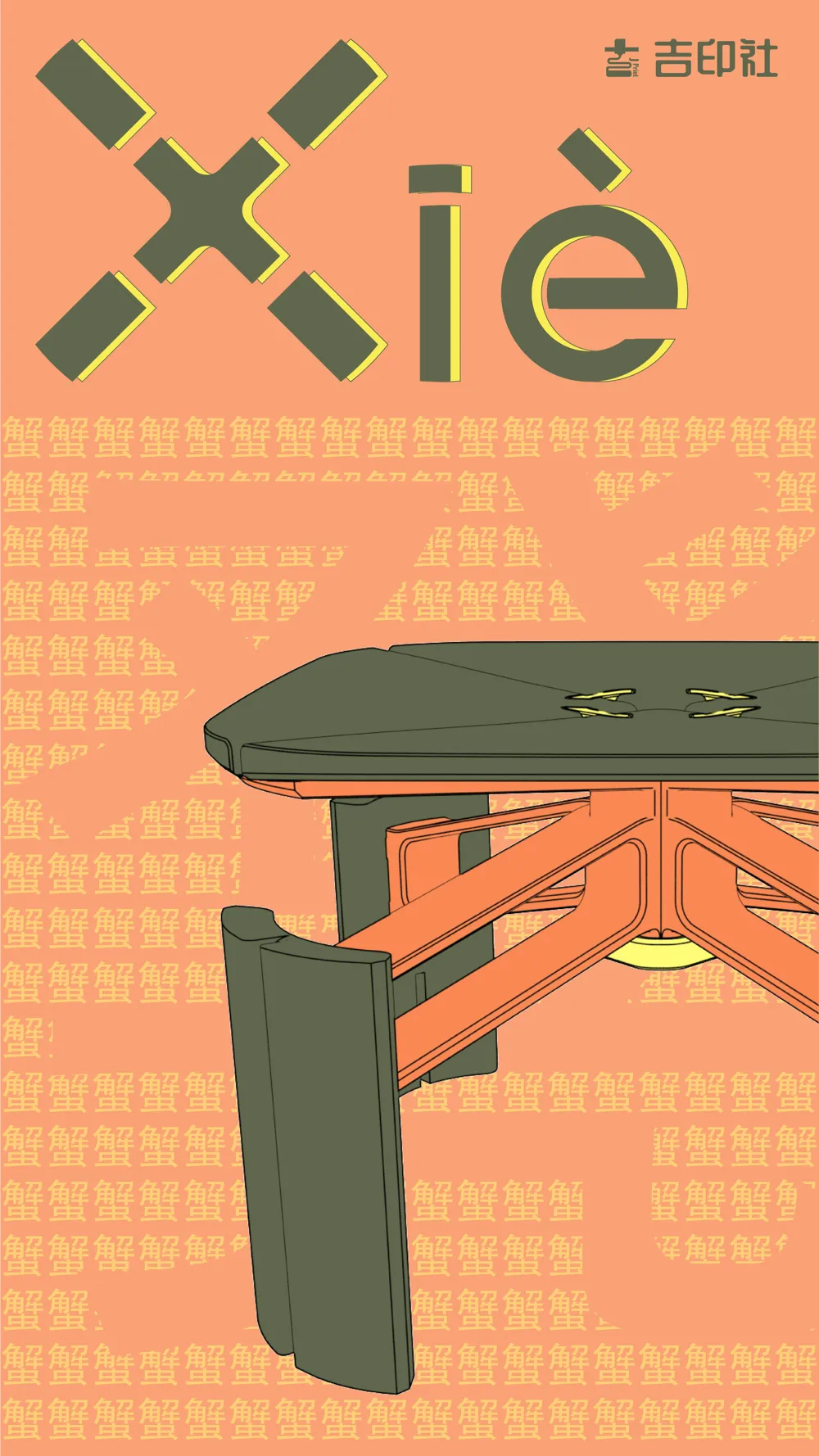
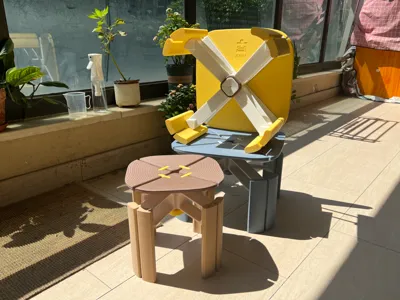
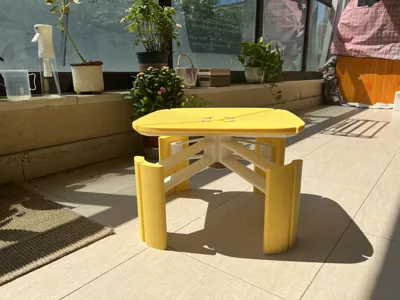
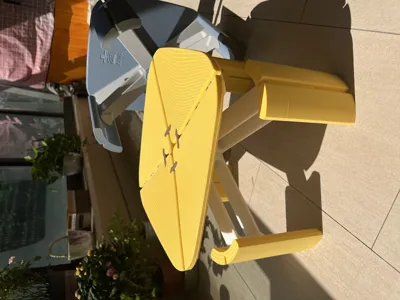
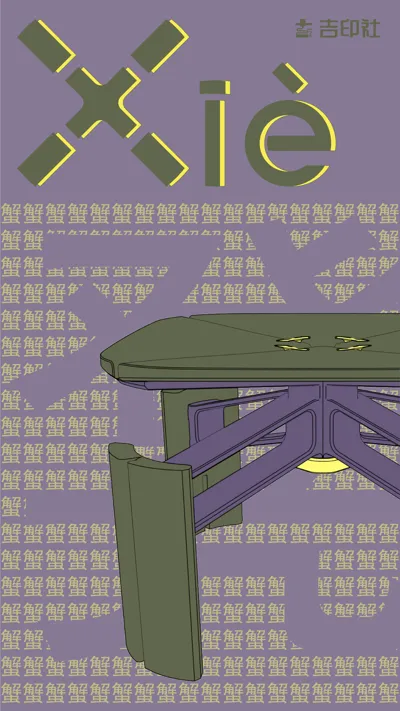
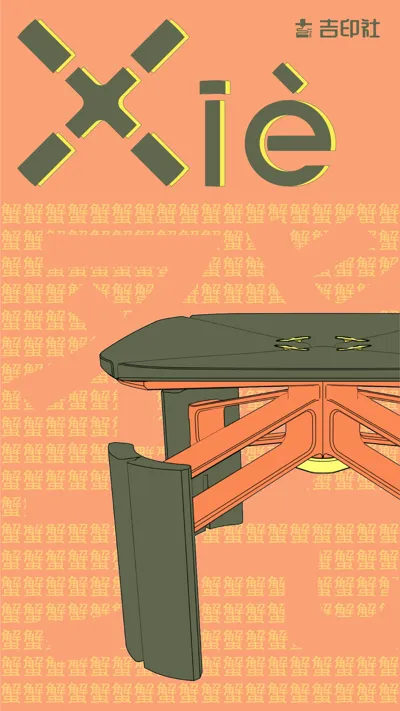
Crab Stool
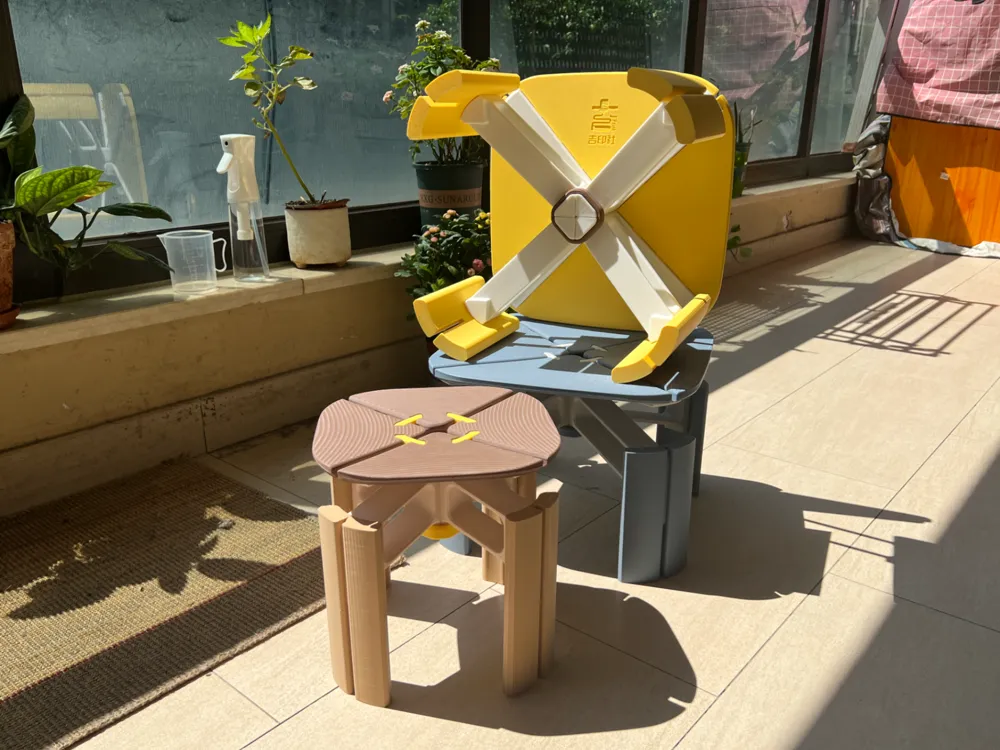
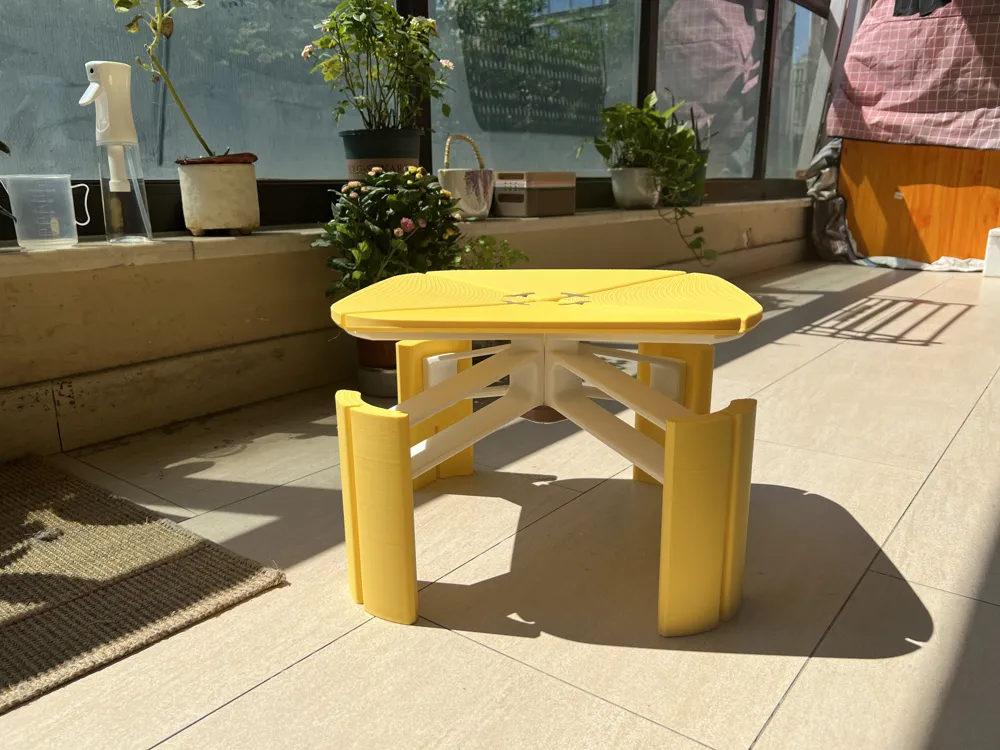
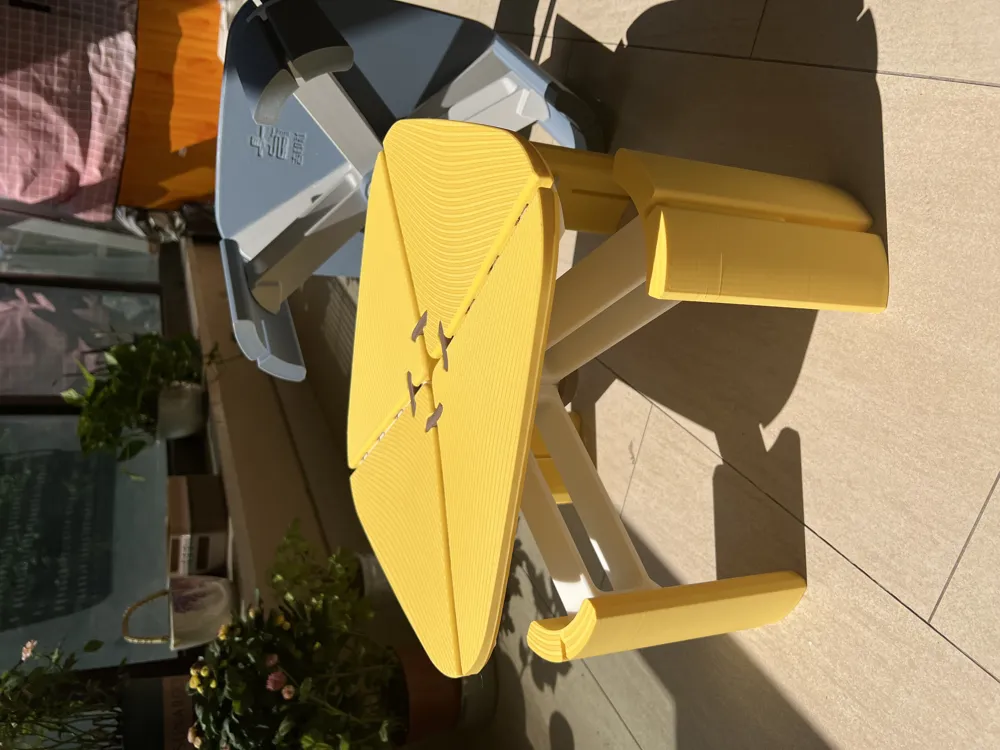
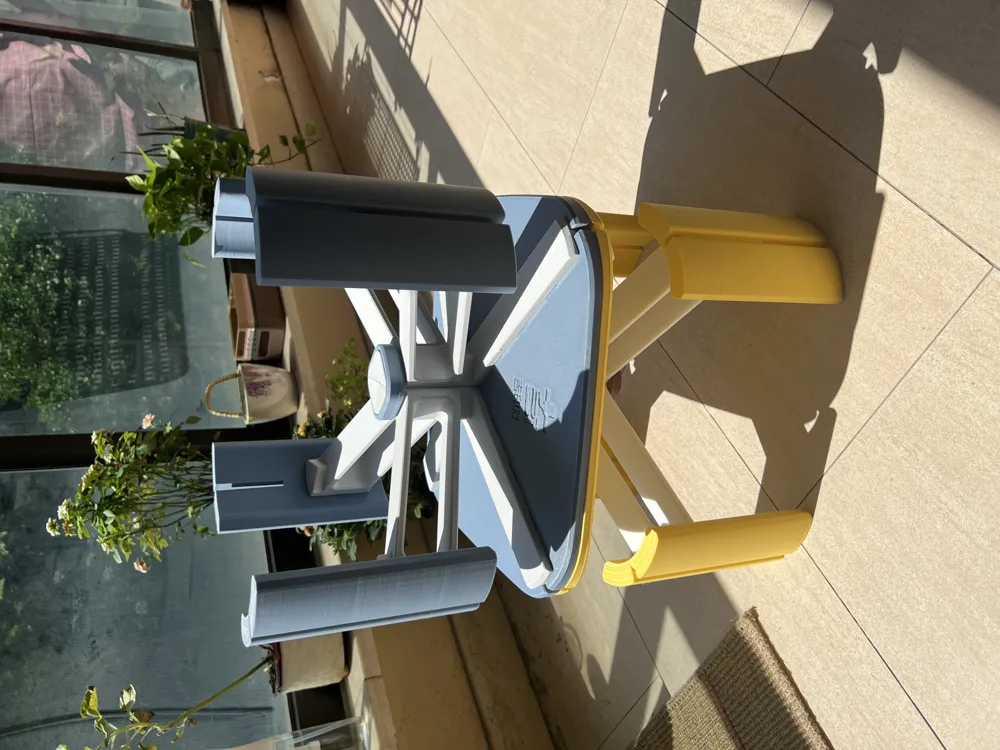
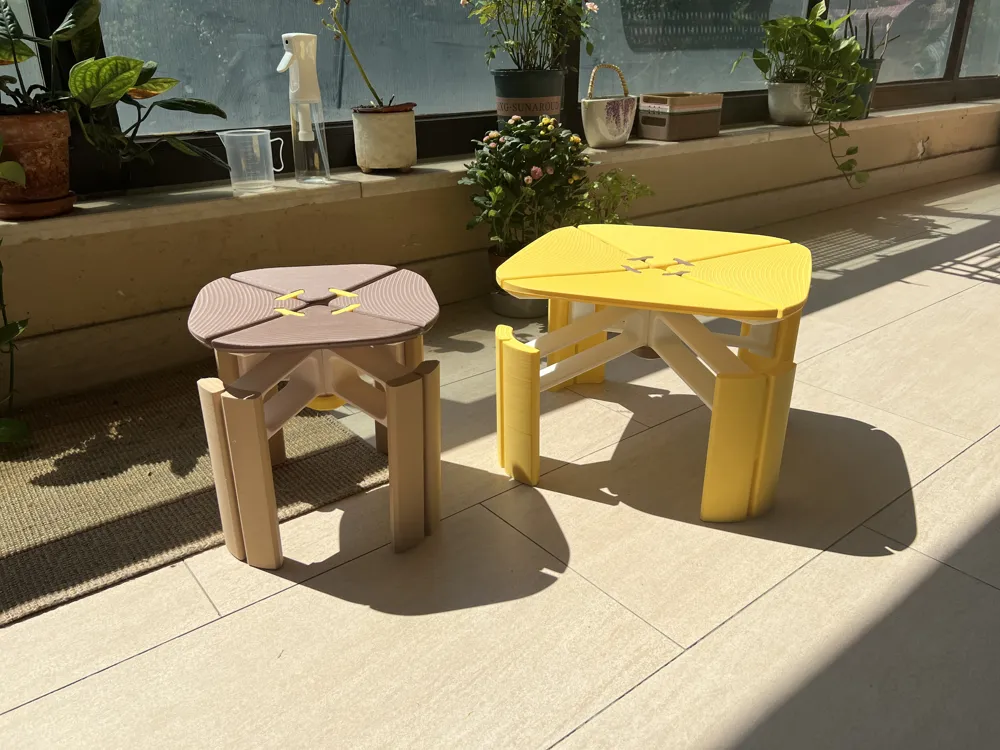
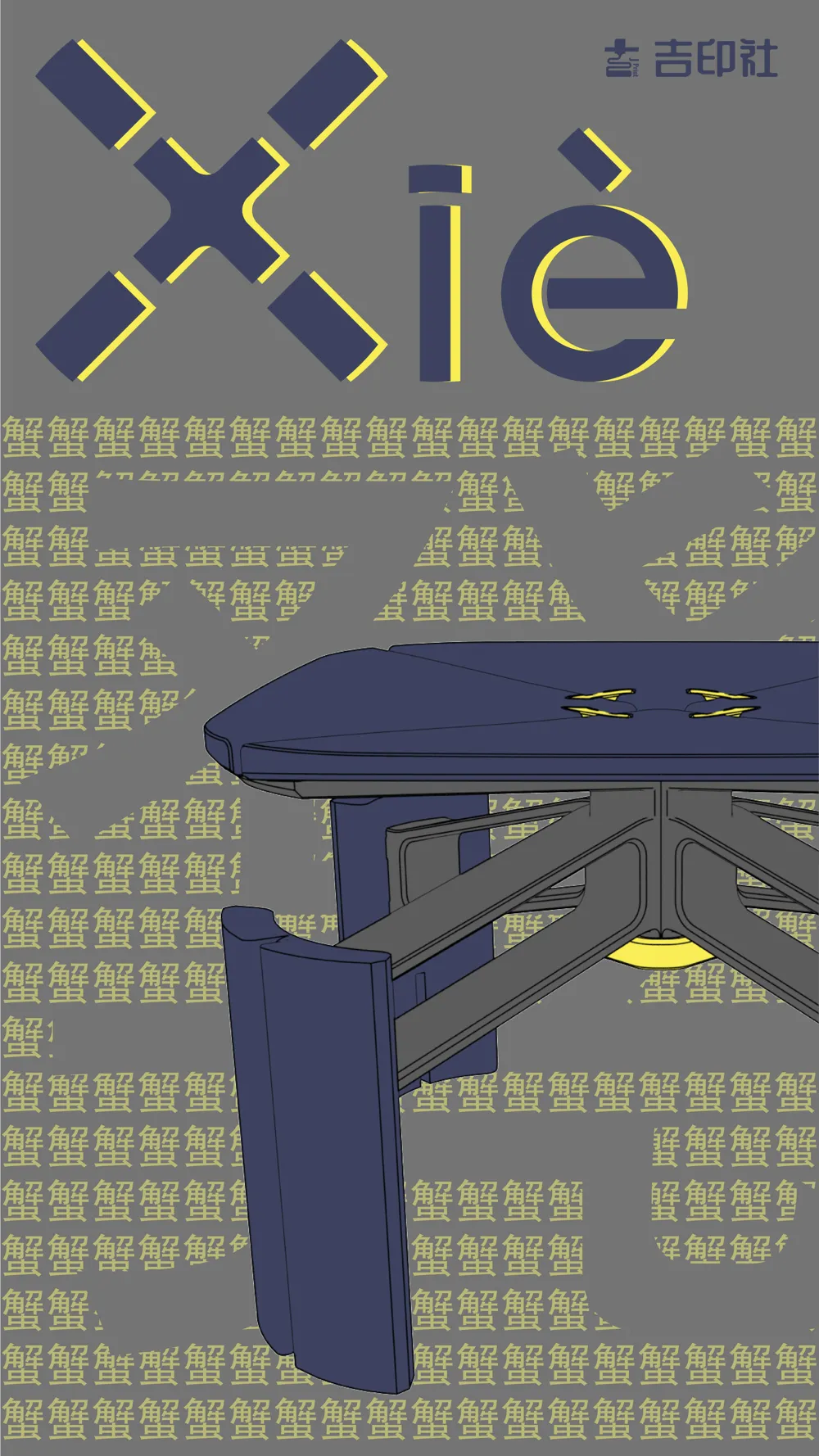
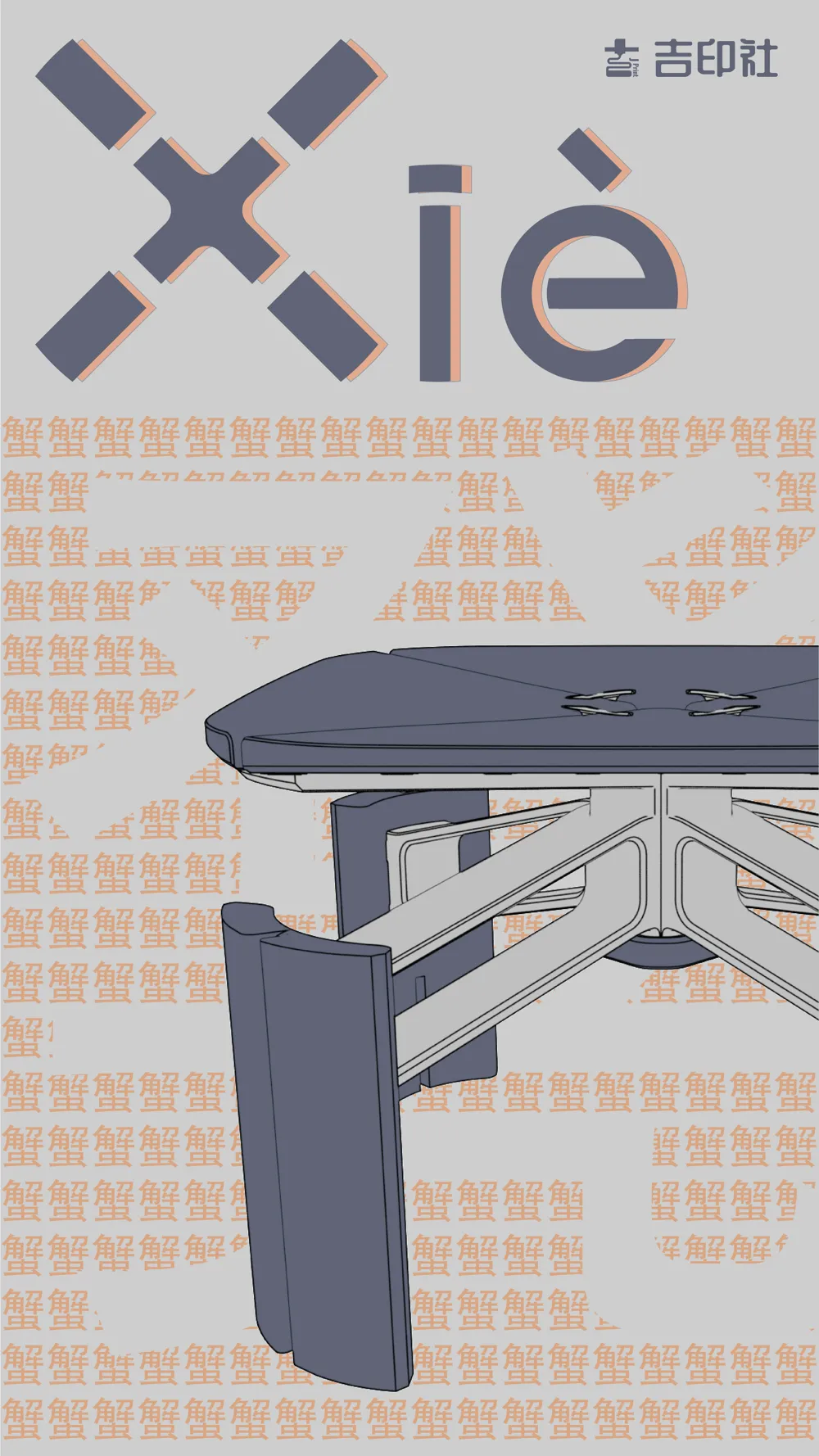
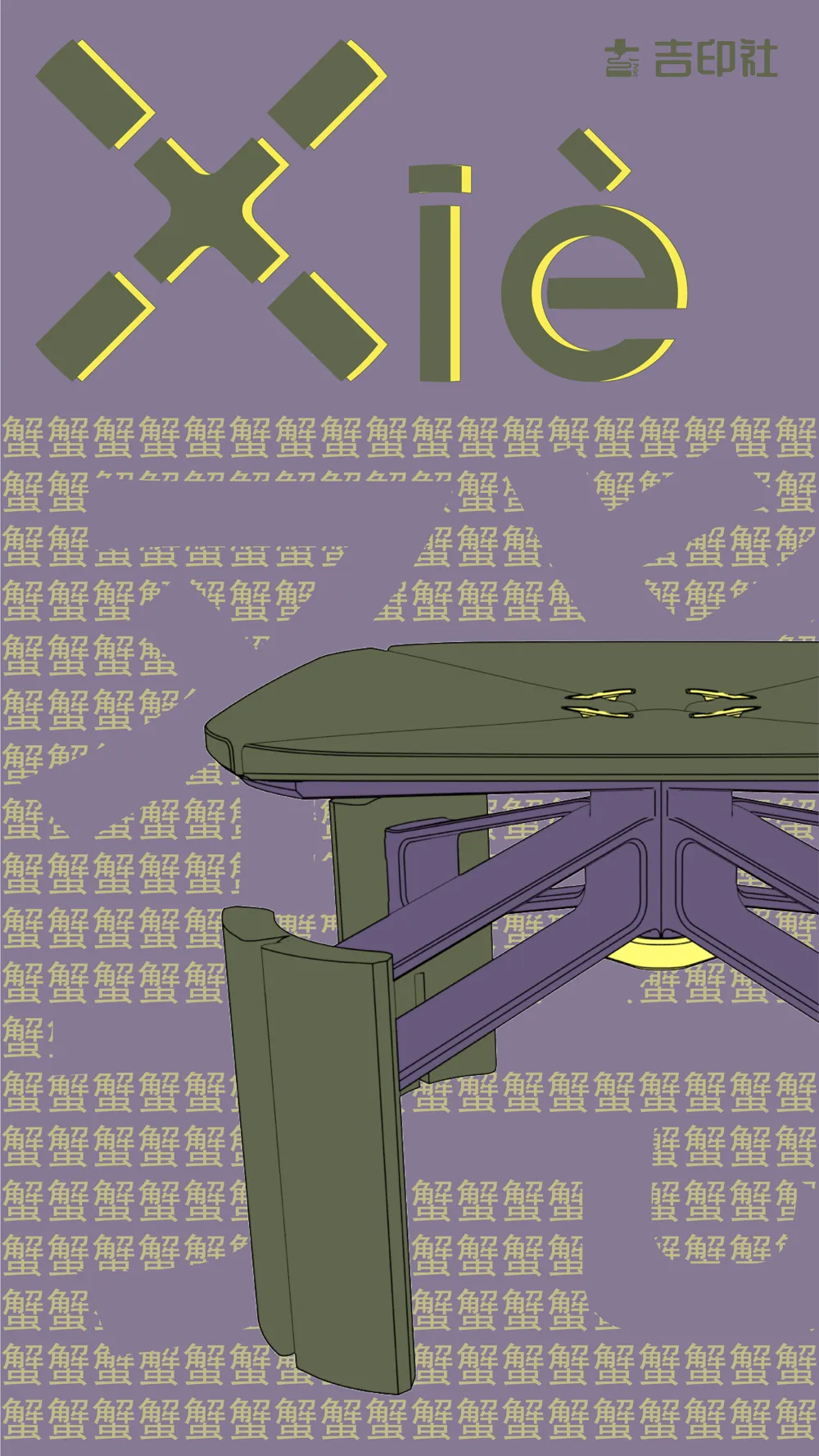
Print Profile(1)

Description
Please check PDF
plz check PDF
Welcome to print and assemble this model. Please read the following precautions carefully before printing
I. Filament Selection Recommendations
✅ Recommended Materials: PLA Basic PLA+ PETG-CF
❌ Not Recommended Materials: PETG (too brittle, sudden breakage with sharp edges, likely to cause injury)
⚠ Other Material Notes: ABS, other types of carbon fiber filaments, and high-performance engineering plastics have not been tested because they are too expensive or require too high printing environment. I personally do not think it is necessary. PLA Matte is only suitable for the stool surface, legs, and clamps, and should not be used for the 4 core support parts
II. Key Component Specifications
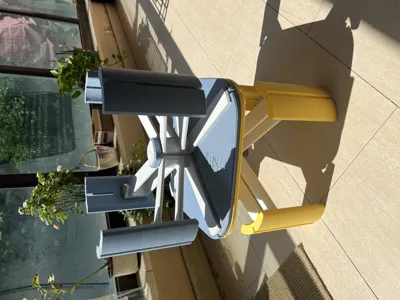
1. Bottom clamp sizes: 4 inner diameters (S/M/L/XL) are provided to address installation difficulties caused by different shrinkage rates of various materials and different precisions of various printers. It is recommended to start printing from L. If it is too loose or too tight, please print other sizes of clamps
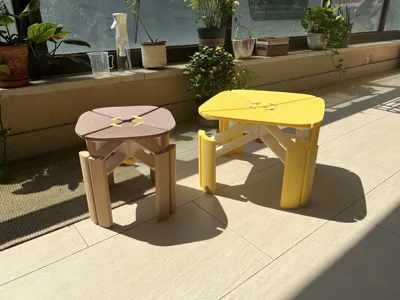
2. Load-bearing performance: When using Bambu PLA Basic: Safe load capacity is 85kg (≈170 jin / 187.3lb). If higher load-bearing performance is needed, you can try using high-performance engineering plastics. When changing materials, please prioritize toughness. Please do not use brittle materials
III. Printing and Assembly Warnings
1. Filament Consumption: Approximately 2,606.8g filament is required for the full-size version (for reference only due to density differences)
2. No load-bearing tests before full assembly. Weight can only be borne after all parts are securely fixed in place
3. If you hear slight cracking sounds during first use after assembly, do not worry. This is normal and does not affect part strength. These sounds will disappear after several uses
IV. Surface Treatment Solutions
Due to the unavoidable characteristics of 3D printing, the stool surface might be somewhat rough. If lightly sanded with sandpaper, it will become much smoother. Lightly sweeping back and forth with a torch lighter can restore the original color of the filament. Please use the lighter carefully and pay attention to avoid burns
Safety Warnings: o Wear heat-resistant gloves o Keep away from flammable materials o Avoid localized overheating deformation
Welcome to print and assemble this model. Please read the following precautions carefully before printing.
I. Filament Selection Recommendations
✅ Recommended Materials: PLA Basic PLA+ PETG-CF
❌ Not Recommended Materials: PETG (too brittle, sudden breakage with sharp edges, likely to cause injury)
⚠ Other Material Notes: ABS, carbon fiber filaments, and high-performance engineering plastics have not been tested (due to high cost/printing environment requirements)
Special Note: PLA Matte is only suitable for stool seat, legs, and clamps, and should not be used for the 4 core support parts
II. Key Component Specifications
Hoops Sizes: 4 inner diameters available (S/M/L/XL) to accommodate different shrinkage rates and printer accuracy
Recommended to print L size first. If too loose/tight, try other sizes
Load-Bearing Capacity: When using Bambu PLA Basic: Safe load capacity is 85kg (≈170 jin / 187.3lb) If higher load-bearing performance is needed, you may try using high-performance engineering plastics. When changing materials, please prioritize toughness. Please do not use brittle materials.
III. Printing and Assembly Warnings
1.Filament Consumption: Approximately2,606.8g filament required for full-size version (reference only due to density variations)
2.No load-bearing tests before full assembly. Weight can only be borne after all parts are securely fixed in place
3.If you hear slight cracking sounds during first use after assembly, do not worry. This is normal and does not affect part strength.These sounds will disappear after several uses
IV. Surface Treatment Solutions
Due to unavoidable characteristics of 3D printing, the stool surface might be somewhat rough.Light sanding with sandpaper will significantly improve smoothness
Sweeping back and forth with a torch lighter can restore the original color of the filament
Use the lighter carefully and pay attention to avoid burns
Safety Warnings:
Wear heat-resistant gloves
Keep away from flammable materials
Avoid localized overheating deformation
Documentation (1)
License

You shall not share, sub-license, sell, rent, host, transfer, or distribute in any way the digital or 3D printed versions of this object, nor any other derivative work of this object in its digital or physical format (including - but not limited to - remixes of this object, and hosting on other digital platforms). The objects may not be used without permission in any way whatsoever in which you charge money, or collect fees.


Comment & Rating (0)