
Math Crown
Print Profile(2)


Description
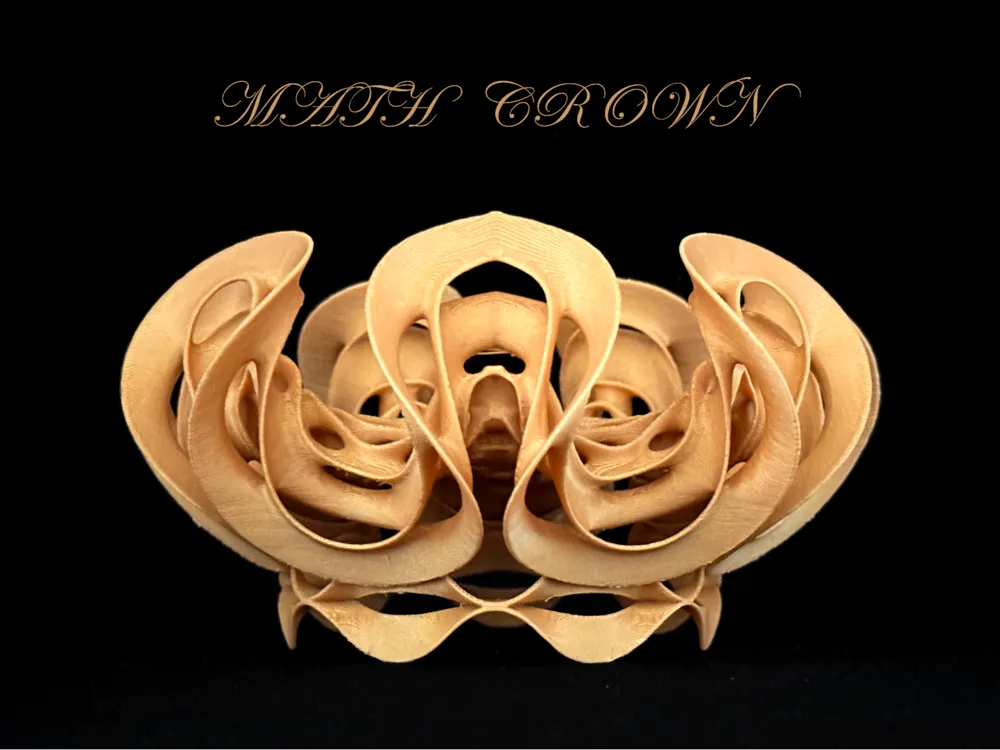
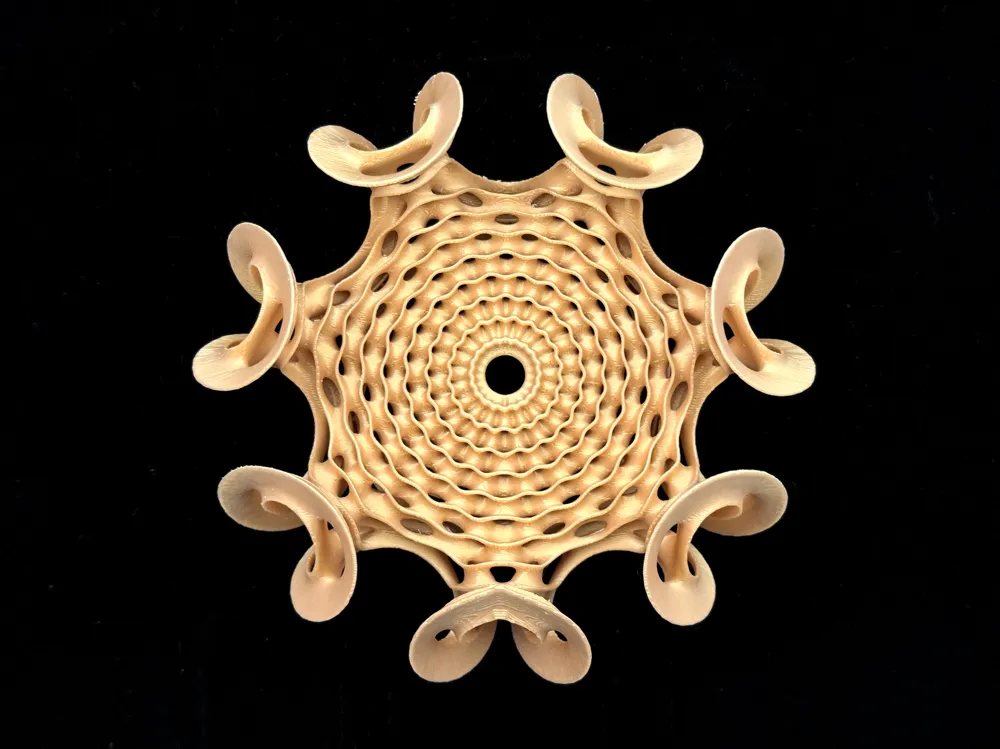
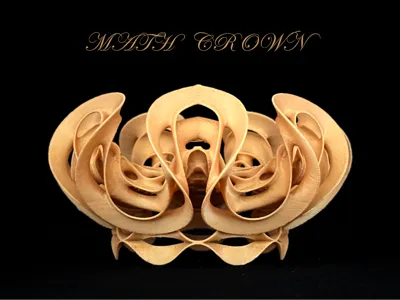
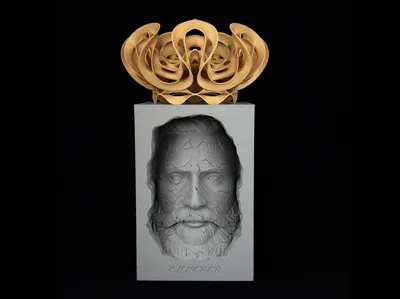
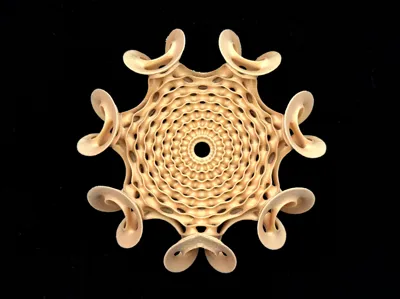
I designed a mathematical crown generated by Enneper Surface Functions, which presents a unique and elegant beauty of mathematics: order and randomness.
Seen from the final shape, it looks very much like the golden headdress of the Yi people in Sichuan, China, an ancient and mysterious ethnic group. This may be a coincidence, or rather a discovery.
Introduction to the Generation Mechanism

1.Firstly, I take the Enneper Surface Function to generate the crown basis surface (a minimal surface proposed by mathematician Alfred Enneper). Of course, it has no details at this point.
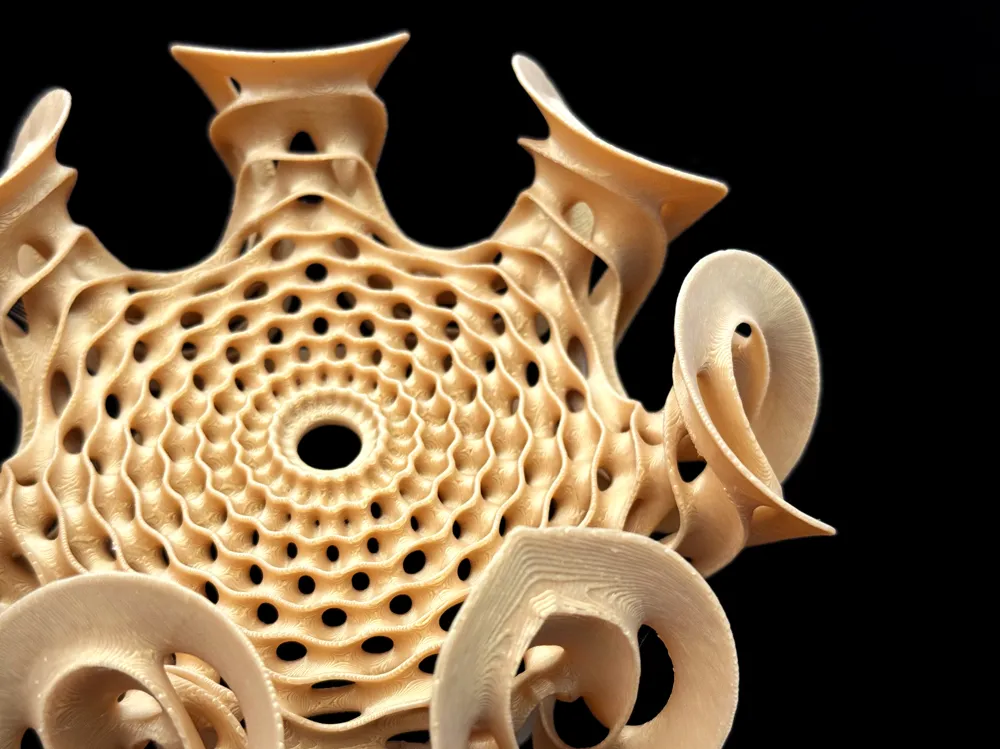
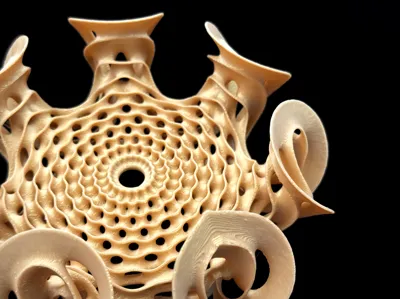
2.On this basis, I consider using other periodic minimal surfaces as unit cells to map and fill the basis surface, in order to form a more decorative and artistic detail texture. Considering the feasibility of FDM printing, I finally chose a variant of Scherk's Surface as the cell and set appropriate parameters.

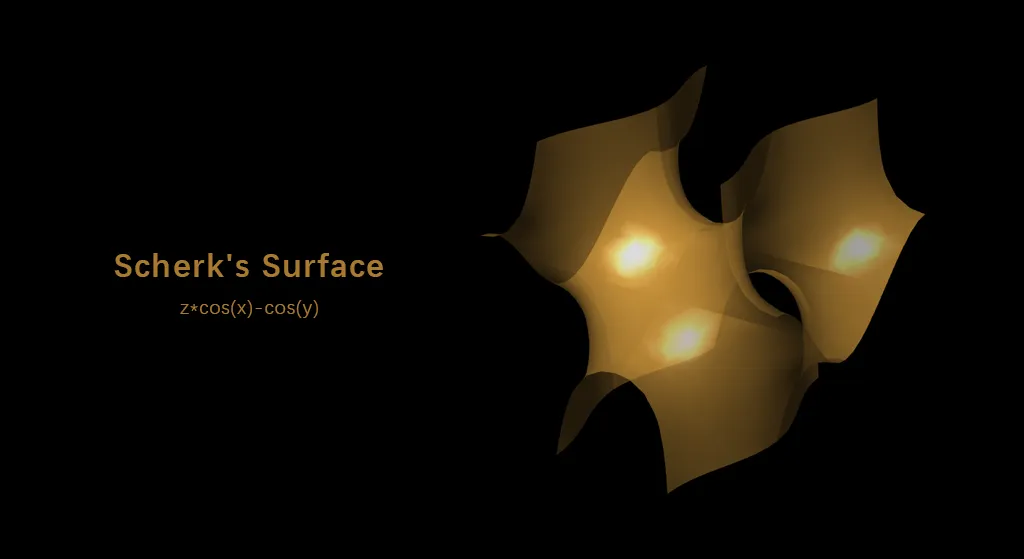

3.Finally, two more Enneper Surfaces were used to form the headband section and the final model was generated by volume wrapping. The wall thickness was set at 1mm to avoid damage due to thin wall thickness when removing the support.

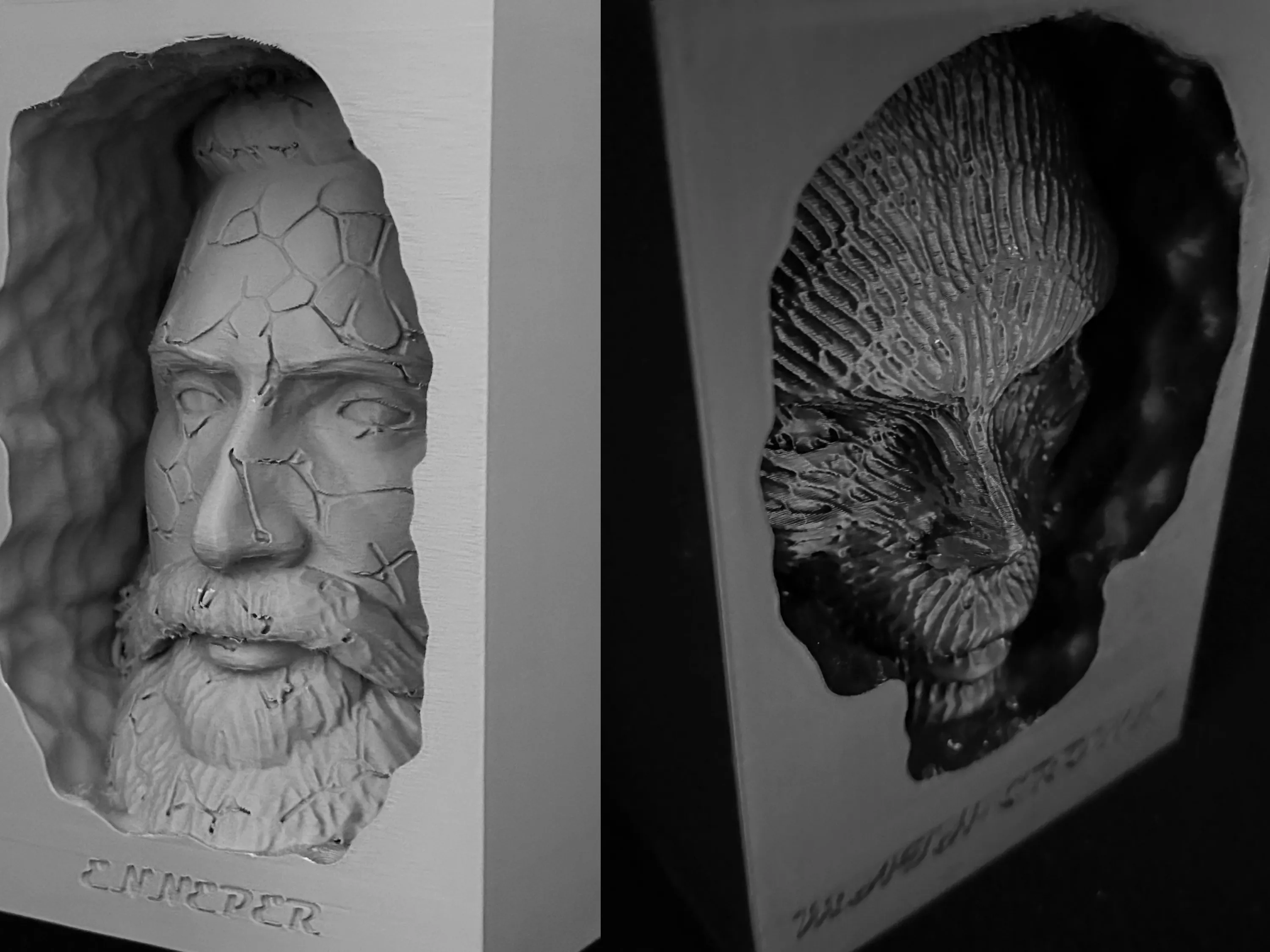
Display base
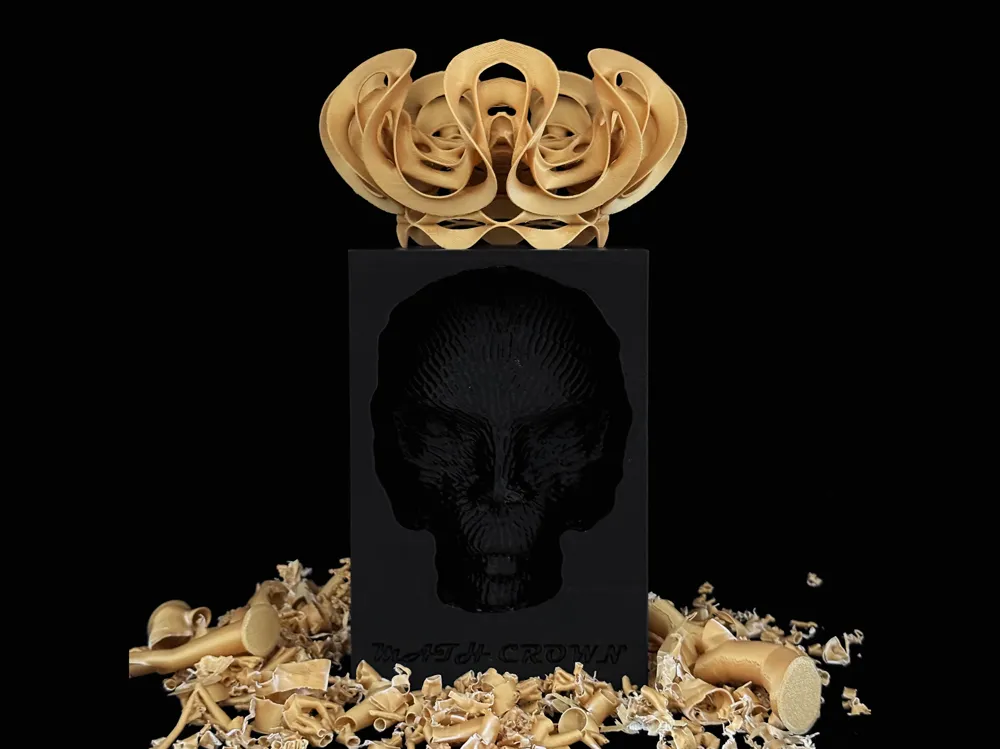
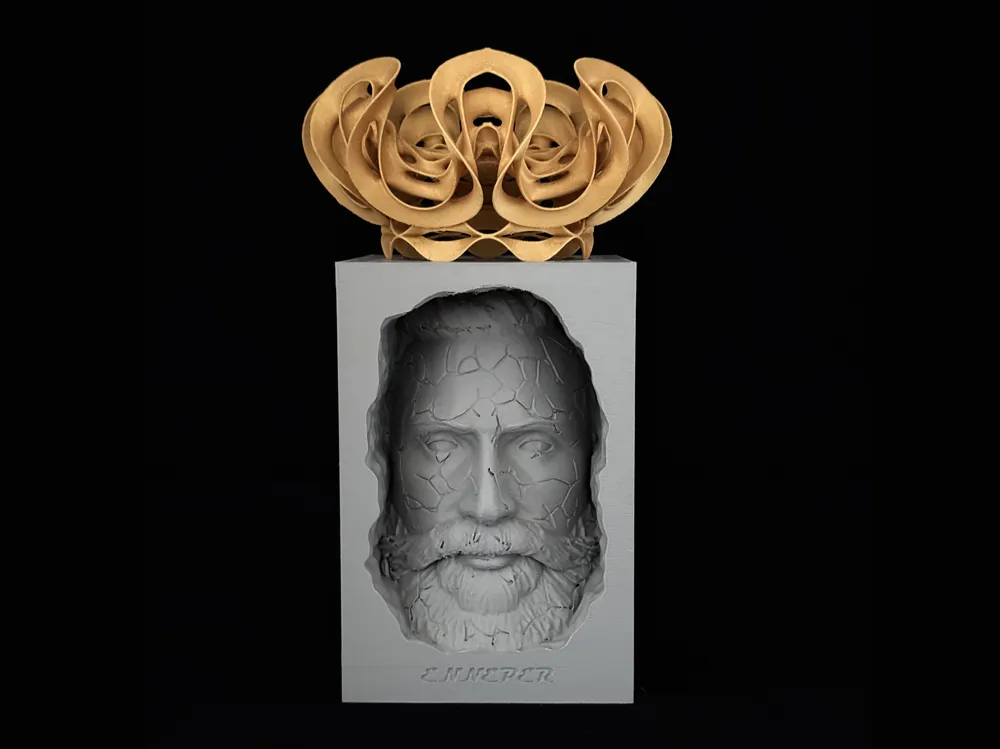
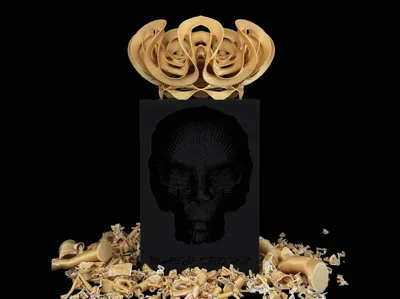
Considering the printing time and molding size limitations, the Mathematical Crown is not suitable for real people to wear, but can only be displayed as an art sculpture. Therefore, I designed two display bases for it, namely the mathematician Alfred Enneper and the Black Queen.
Note
Since the crown model structure is very complex, I repeatedly adjusted the placement to balance the printing time and the number of supports, but there is no way to avoid still needing a lot of supports. Therefore removing the supports requires more of your time and patience, just as you would with a math problem. It took me about half an hour to carefully remove all the supports. If you are patient enough, you can also try to print this model. (You'll need sharp-nosed pliers)
License

You shall not share, sub-license, sell, rent, host, transfer, or distribute in any way the digital or 3D printed versions of this object, nor any other derivative work of this object in its digital or physical format (including - but not limited to - remixes of this object, and hosting on other digital platforms). The objects may not be used without permission in any way whatsoever in which you charge money, or collect fees.


Comment & Rating (10)