
Activated Carbon Filter Cassette

Print Profile(2)



Description
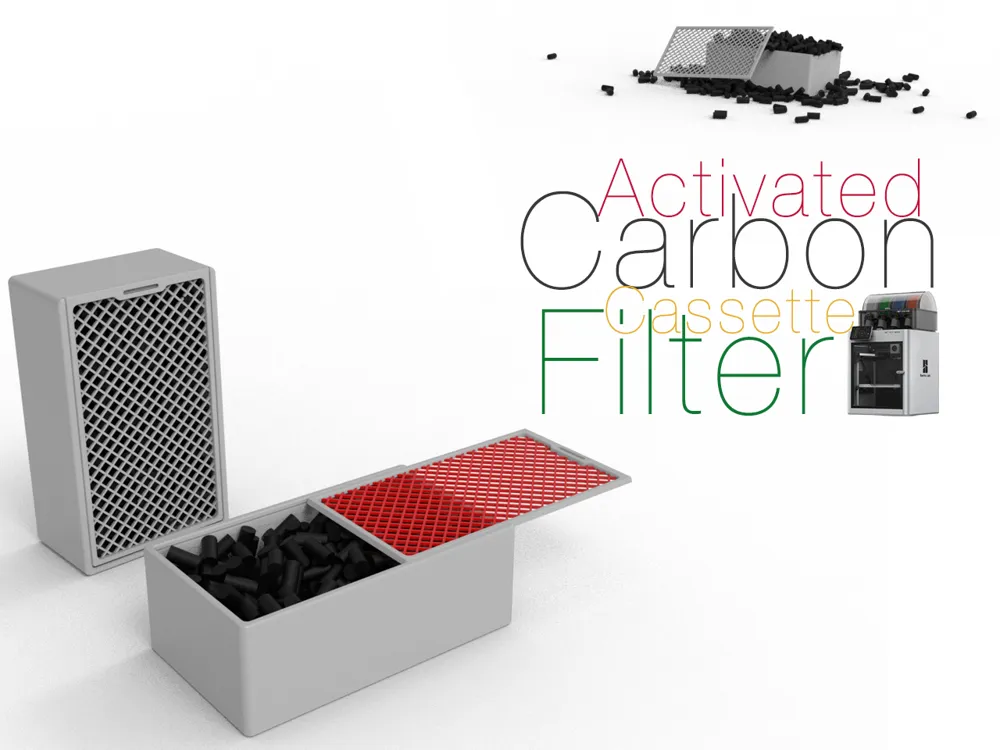
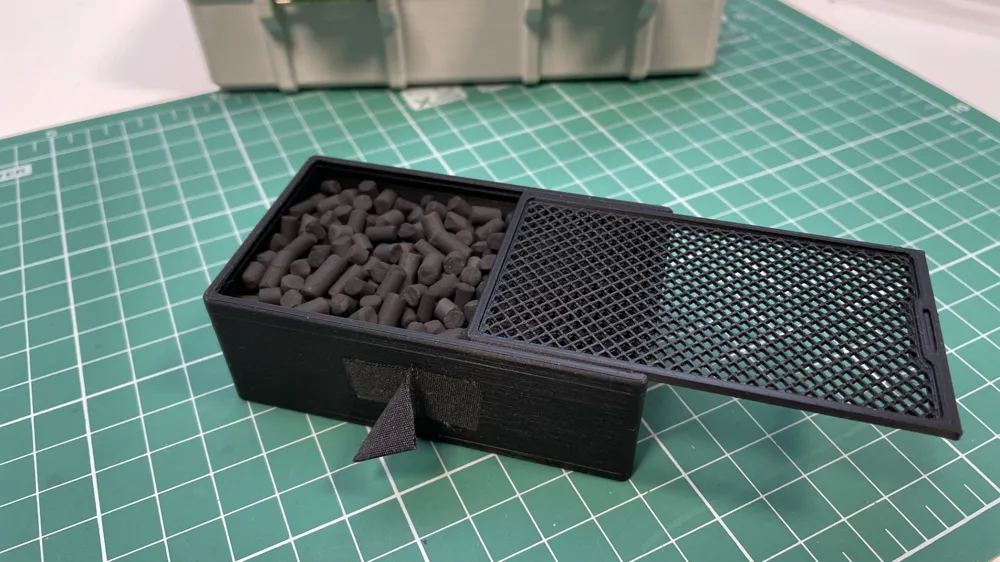
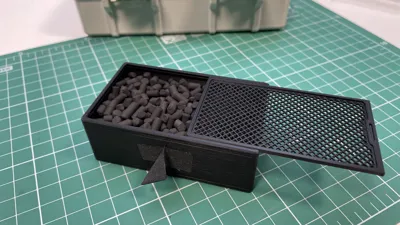
Activated Carbon Filter Cassette for Bambu Lab X1C and P1S Printers
Introduction
Modern 3D printers like Bambu Lab X1C and P1S offer users a wide range of possibilities for printing with different materials. However, along with these possibilities come certain health risks. When printing with polymers and composites, the material is exposed to high temperatures, leading to the release of vapors and microparticles. This is especially true for hygroscopic materials, which absorb moisture from the air and begin to literally boil as they exit the nozzle, releasing moisture molecules and fine particles into the surrounding environment.
These substances easily enter the respiratory system, which can negatively affect health, especially during prolonged printer use. To minimize these risks, manufacturers provide the option to install activated carbon filter cassettes on the printer’s exhaust fan. Activated carbon effectively absorbs harmful vapors and microparticles, creating a safer and healthier working environment.
Solutions
The simplest solution is to buy a ready-made filter and install it on the printer. Alternatively, you can print the filter cassette yourself and purchase activated carbon separately.
- Hardware Stores: Find cassettes with activated carbon and refills in kitchen exhaust sections.
- Pet Stores: High-quality activated carbon used for marine aquariums works well for air filtration.
- Filtration Systems: Granulated activated carbon is widely available where filtration systems are sold.
Personal Experience
In my case, it was even simpler. I had a cassette for a kitchen exhaust system with activated carbon, and I used that carbon for my 3D printer filter cassette. The size of the carbon granules matched the original printer cartridges, which was a pleasant surprise. Ultimately, it’s not critical—the important thing is that the carbon effectively does its job.
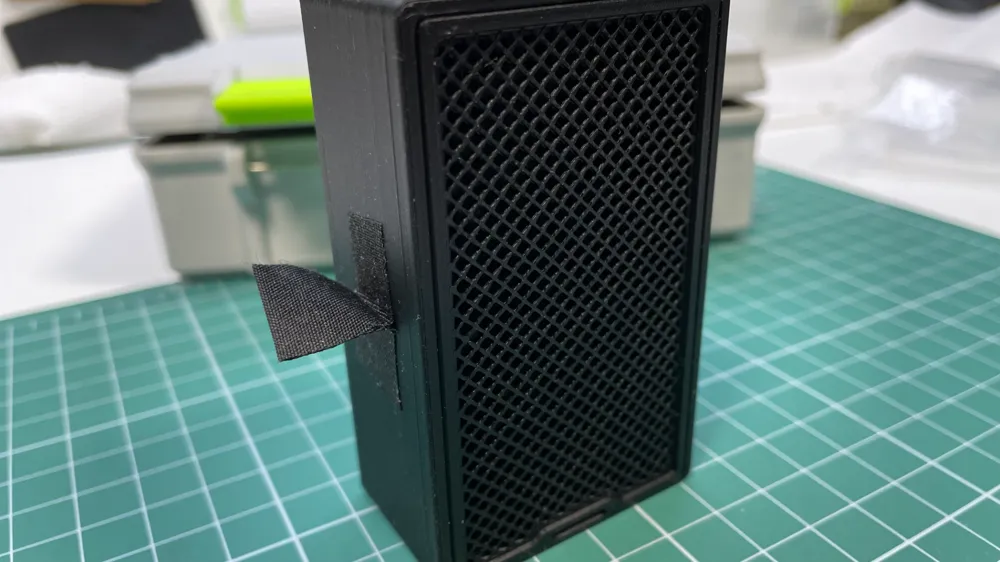
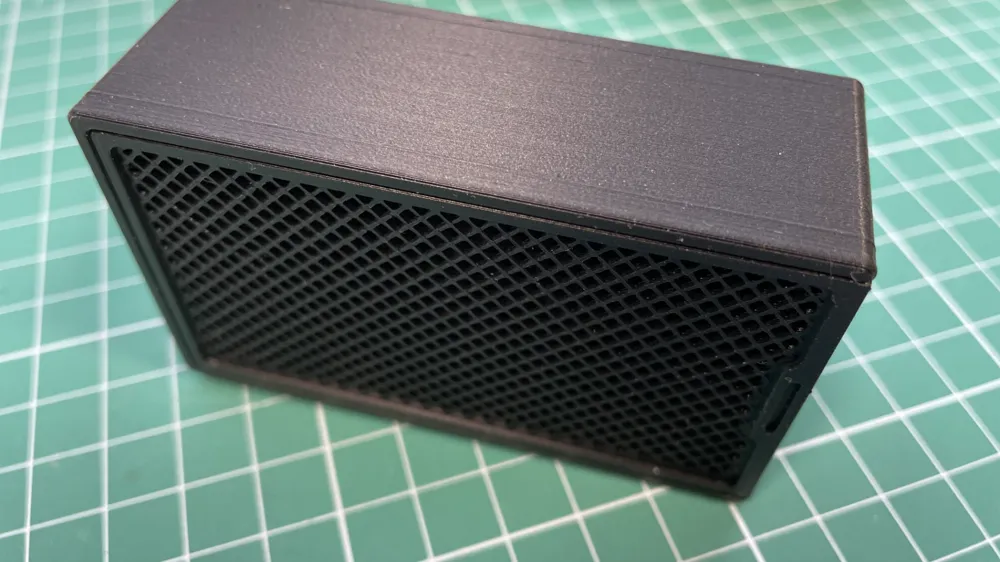
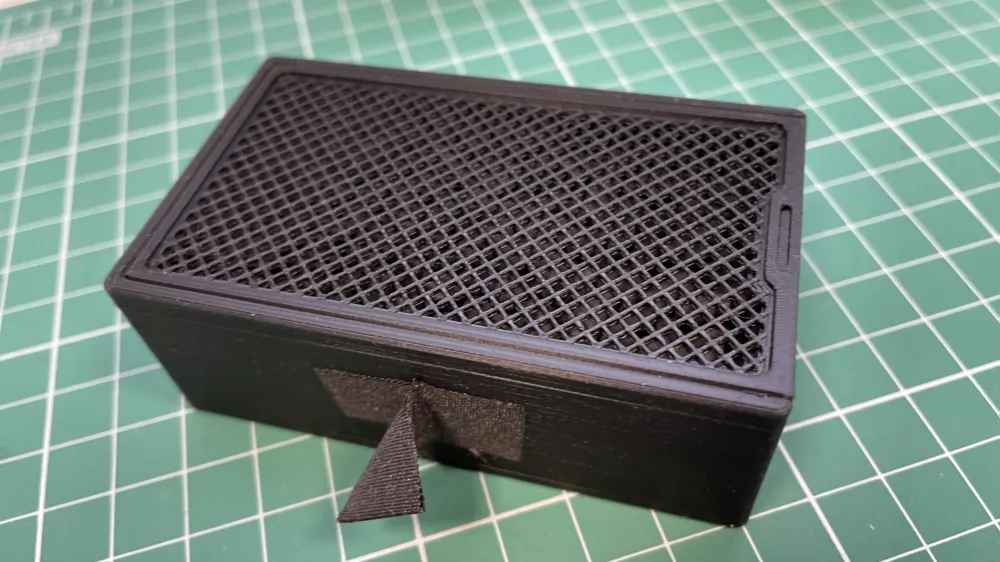
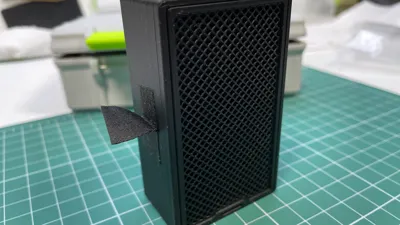
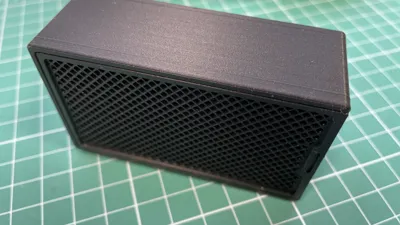
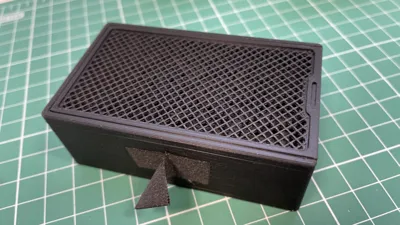
I designed a thin-walled filter cassette to maximize airflow. Compared to the original cartridge, my version showed excellent results. The thin walls allow more activated carbon, enhancing filtration efficiency. As a result, my cassette offers better airflow than the standard filter.
For printing, I recommend using ABS plastic due to its heat resistance, as PLA plastic may deform at temperatures above 60°C.
Recommendations
If you print frequently, replace activated carbon filter cassettes every 60 days. This may vary based on materials and print intensity, but regular replacement ensures a cleaner, safer workspace.
How to Monitor Filter Condition
- Visual Inspection : Check the carbon’s color—gray or lighter indicates saturation.
- Air Smell : Persistent polymer smells mean the filter isn’t effective anymore.
- Reduced Airflow : A noticeable drop in airflow suggests the filter is clogged.
Take care of your health—it’s priceless, but everything else can be bought.
See the video for details:
If you liked this thing - let me know by putting like!
Parts links below:
My favorites:
Thank you for every tip or donation,
it means great recognition for me and helps a lot to keep going!

BTC: bc1qplpzq36ghw84hty4nn2zzu4ps4sdh4th0v93j8
ETH: 0xc766ebbeAa76aaf629788c8F99C33A8d80d48977
License

You shall not share, sub-license, sell, rent, host, transfer, or distribute in any way the digital or 3D printed versions of this object, nor any other derivative work of this object in its digital or physical format (including - but not limited to - remixes of this object, and hosting on other digital platforms). The objects may not be used without permission in any way whatsoever in which you charge money, or collect fees.


Comment & Rating (4)