
GGx The Table Football (Soccer) Game
Print Profile(1)




Description
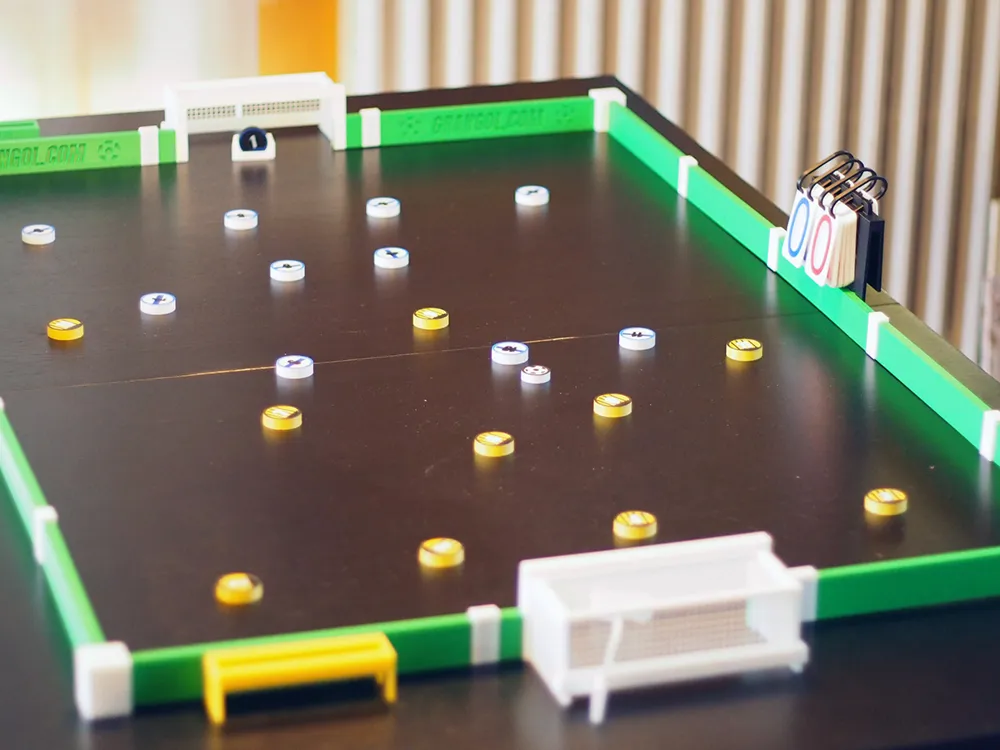
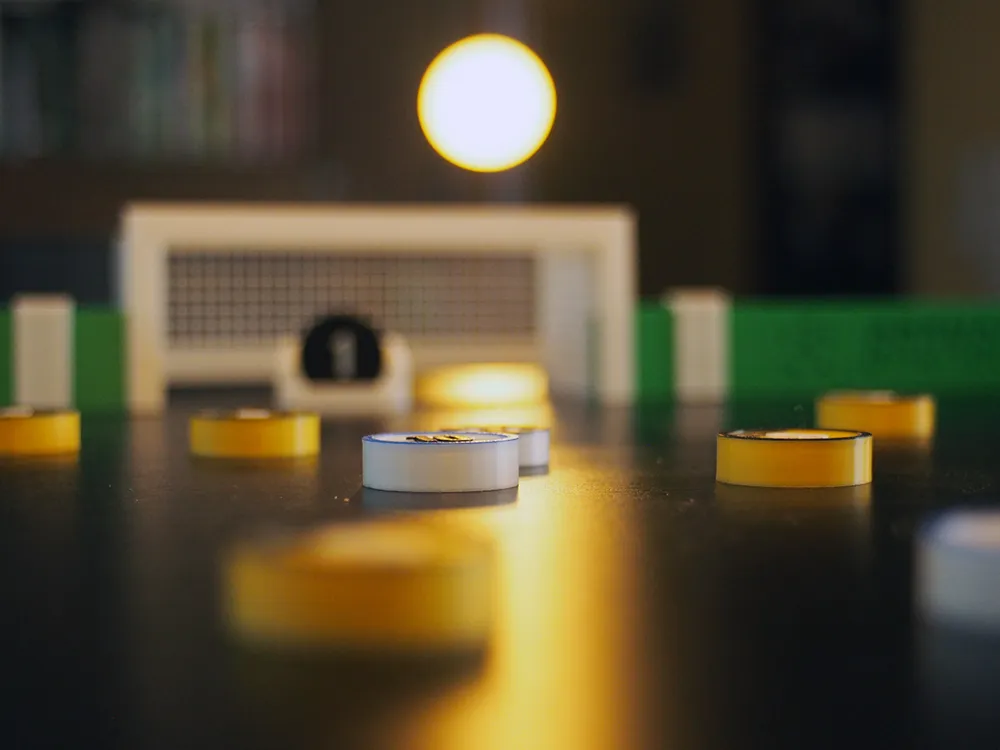
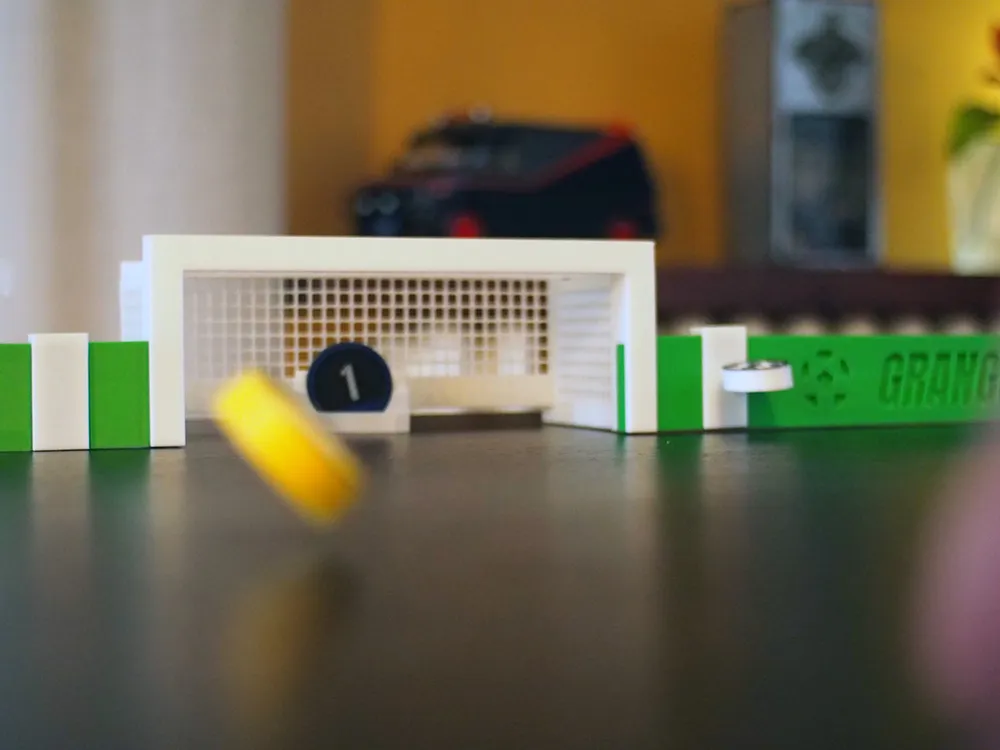
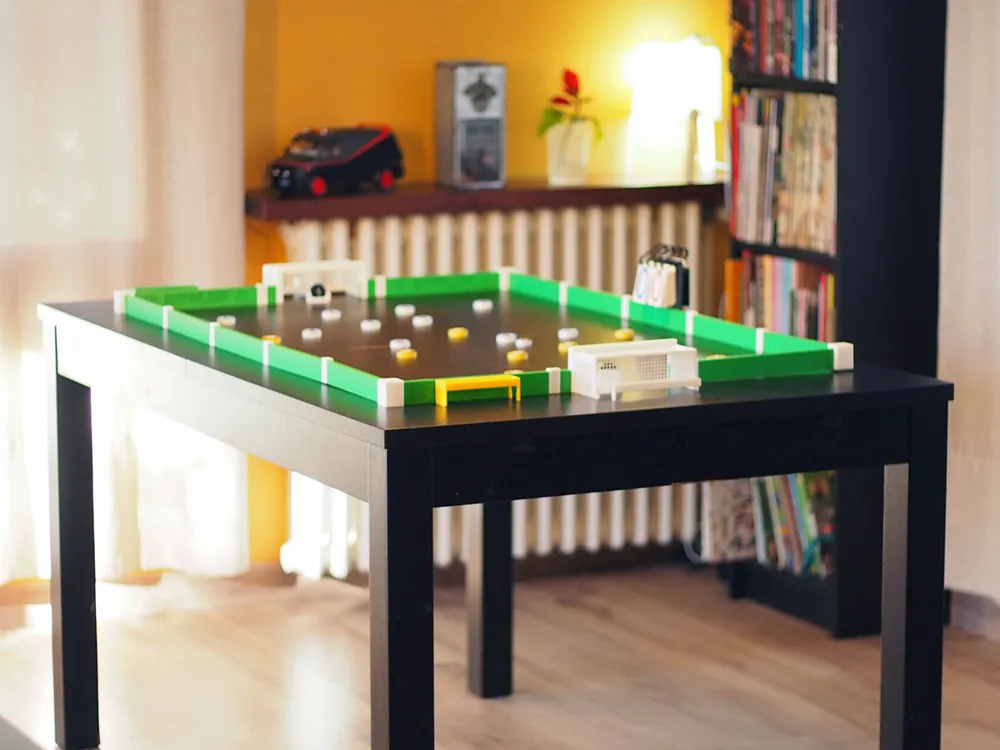
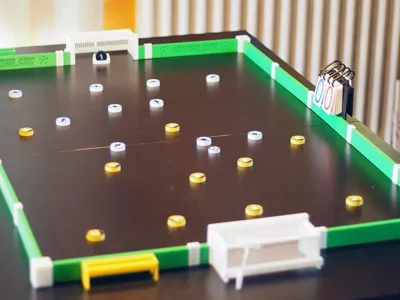
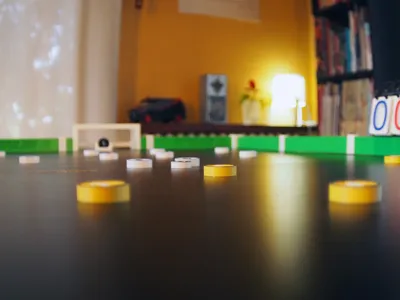
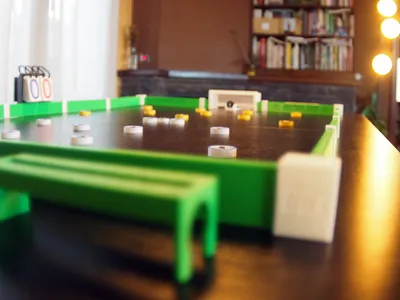
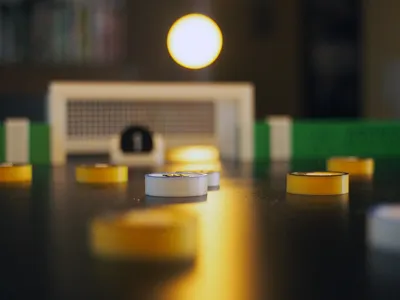
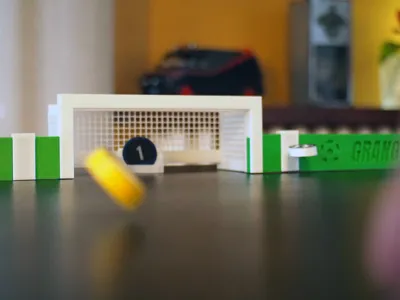
Experience the thrill of football with GGx, the tabletop football game. GGx is a fast-paced and vibrant tabletop football game designed for endless fun with family and friends. Set up the stadium, print your favorite teams, and dive into exciting, action-packed tabletop football matches!
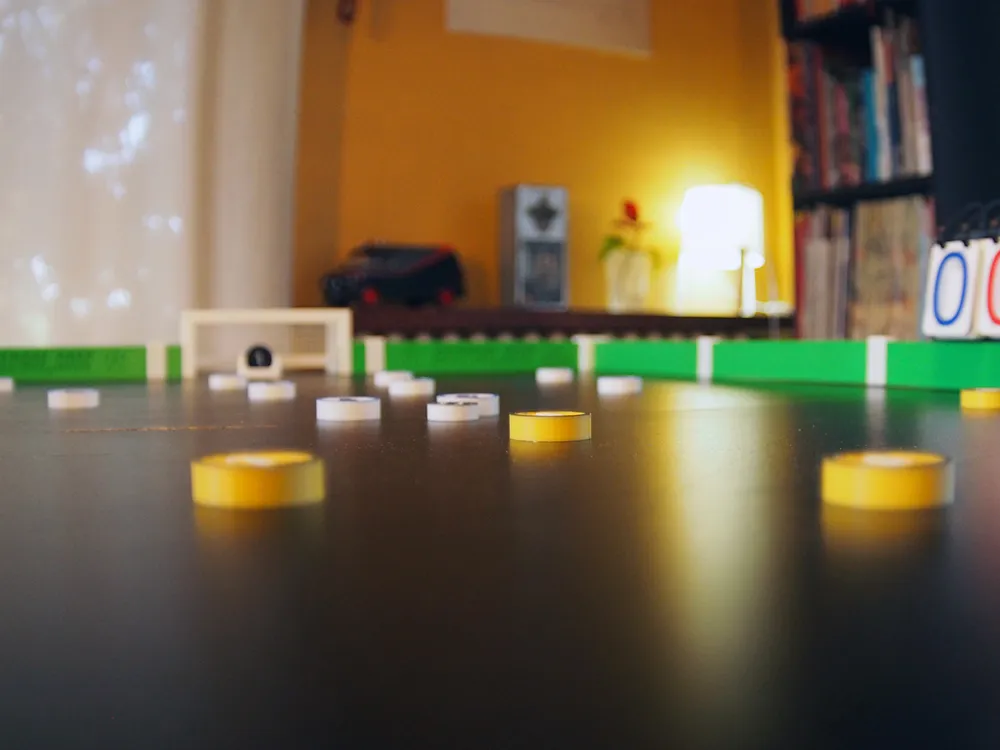
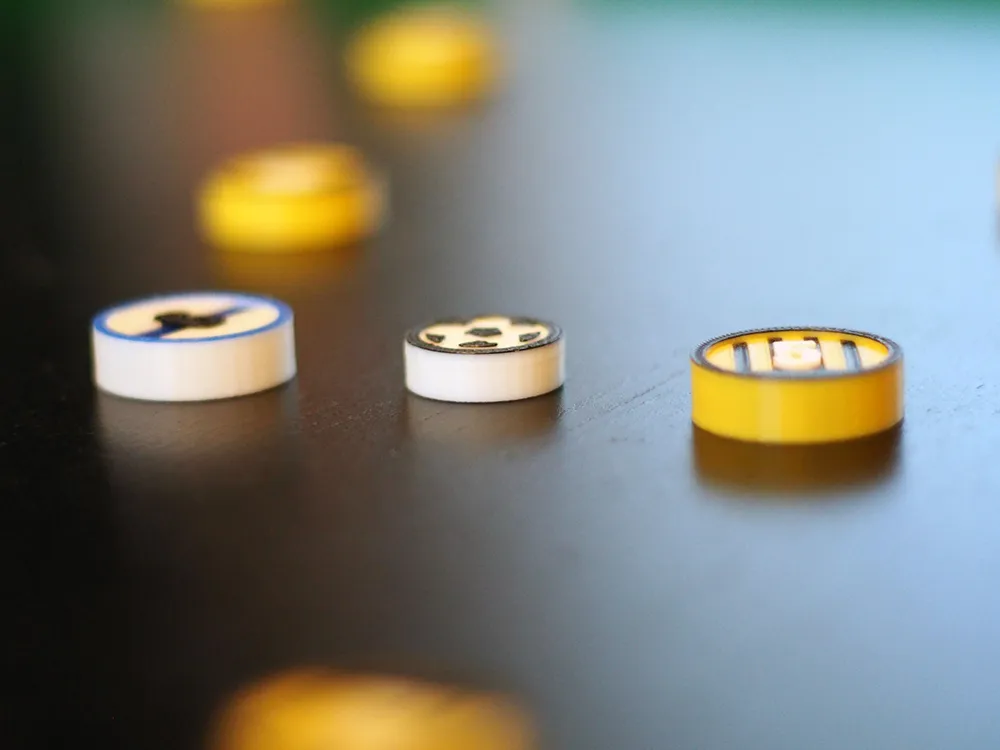
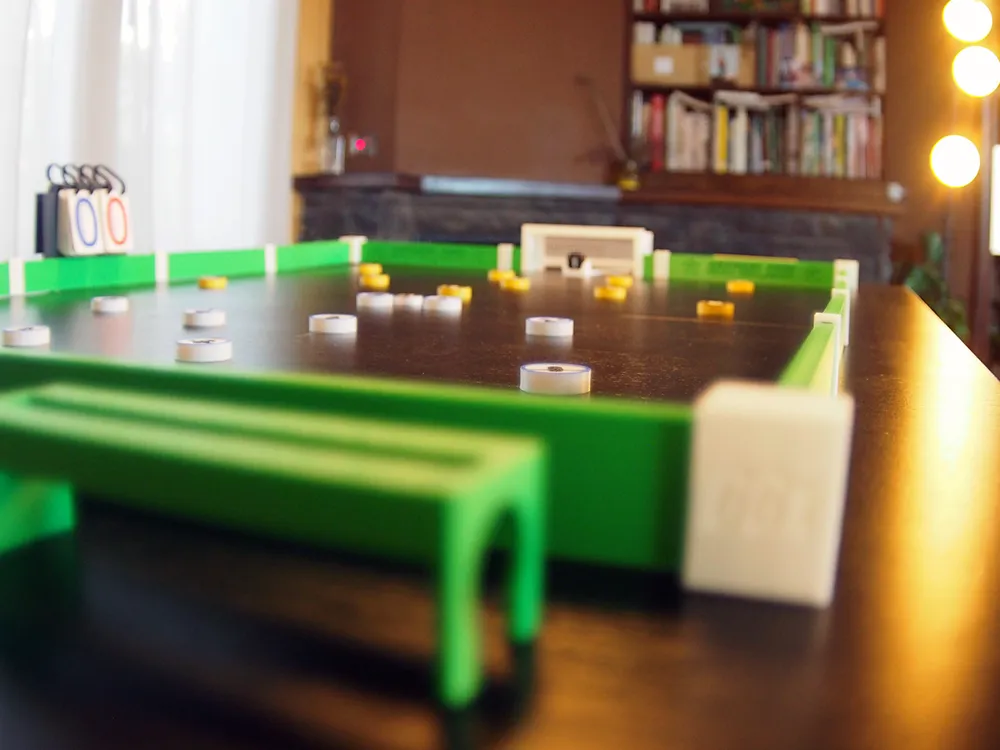
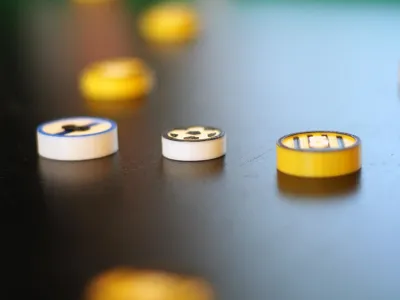
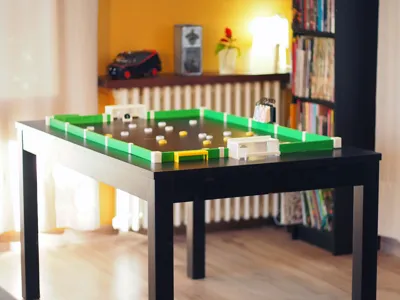
GGx is a Tabletop football game inspired by bottle caps, Subbuteo and a little of Tipp Kick. The GGx Stadium is quick and easy to assemble. It can be set up on any minimally smooth surface, from a large enough table to the floor. If the chips can slide, any place is good for a match. Easy and quick to disassemble, in no time the match is on, played, and packed up before having to clear the table or go to bed. The playing pitch measures 71x109 cm, but when packed, it fits in a small box. The dimensions of the playing pitch are scaled according to UEFA Category 4 stadiums.
Get your teams here!
How to play GGx?
Matches can be played in two ways: with goals or with time.
- With goals: A number of goals is decided, and the first team to reach that number wins.
- With time: Two halves of 6 minutes each are played. You will need a timer to keep track of the time.
These are the rules of GGx. In this list of 16 points, there is everything you need to know to play a match.
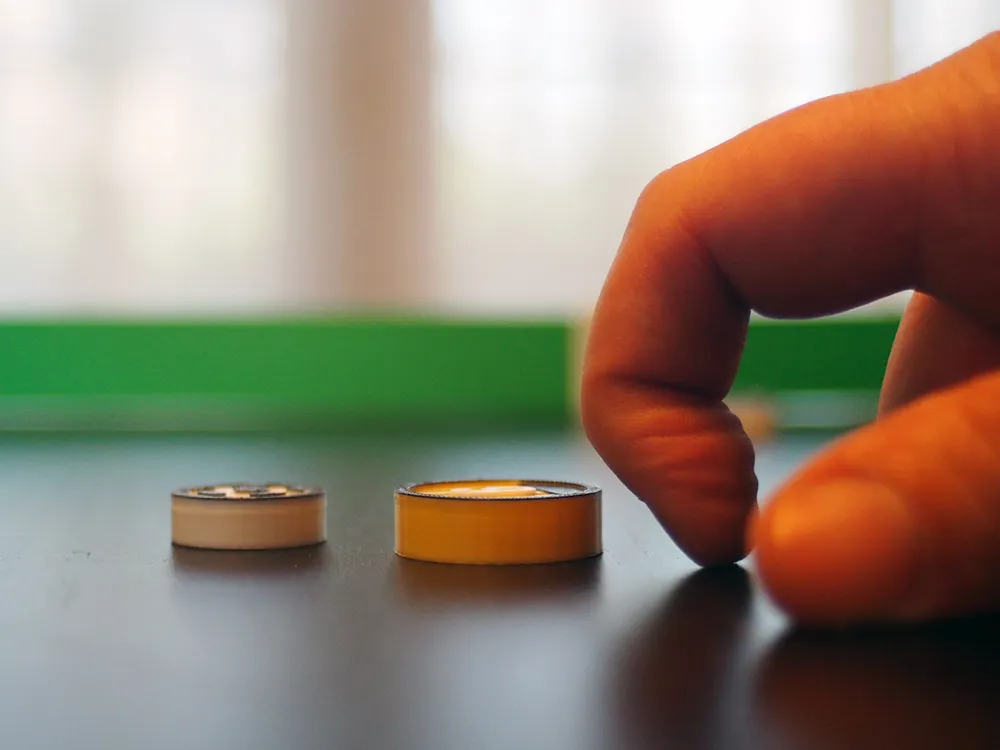
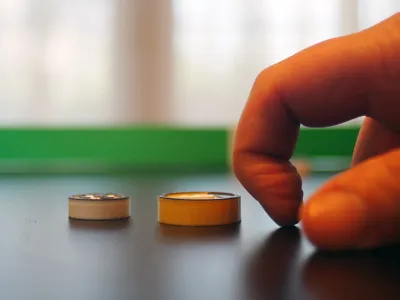
- Flick without leveraging your thumb.
- The game is played in quick turns. The player in possession (attacker) flicks first, followed by the player without possession (defender). The attacking player may count out loud to five, and if the defender hasn't taken their turn, the attacker may skip their turn and flick again. The defender can say “pass” at any time and skip their turn.
- If the attacking player makes two consecutive flicks without hitting the ball, the defender can flick at the ball to regain possession.
- If a piece of the attacking team is less than one pinky finger away from the ball, it may be repositioned anywhere around the ball by using your fingers.
- Possession is lost when the last piece to touch the ball belongs to the defending team (whether by a flick, rebound, or goalkeeper save).
- Possession is also lost if the ball flips over: if, after a flick or rebound, the completely white side of the ball is visible, possession changes sides. The former defender flips the ball back to its original position and places their closest piece next to the ball. From then on, the former defender becomes the attacker.
- The player without possession (defender) cannot flick at the ball. If they do, it’s a foul.
- Touching an opposing piece that is within two fingers of the ball is a foul.
- If an opposing piece is touched and flips over due to the impact, it’s a foul and a yellow card. If, as a result, the opposing piece goes out of bounds, it’s a red card for the player who committed the foul.
- If one of your own pieces is flicked too forcefully and flies off the field, it cannot return: it’s expelled! Straight red card. The foul is flicked from an area near where the piece left the field.
- Yellow cards apply to the entire team. If a team accumulates two yellow cards, the player must remove one of their pieces from the match: expulsion! (Keep track of the yellow cards!)
- Goals can only be scored from the area marked by the two fences closest to the goal. This area is called the "goal zone".
- If a foul occurs within the penalty area (marked by the last side fence), it’s a penalty and a yellow card. The penalty is flicked from the farthest end of the fence marking the penalty area.
- There is no out of play. Flicking the ball out of bounds results in a yellow card. Rebounds off the goalkeeper or goalposts don’t count.
- After every foul or goal, both players may freely reposition their team with their hands before resuming the game. The attacking player may count out loud to five and start the game after finishing.
- The offside rule applies normally.
Get the rules here!
License

You shall not share, sub-license, sell, rent, host, transfer, or distribute in any way the digital or 3D printed versions of this object, nor any other derivative work of this object in its digital or physical format (including - but not limited to - remixes of this object, and hosting on other digital platforms). The objects may not be used without permission in any way whatsoever in which you charge money, or collect fees.


Comment & Rating (20)