
Cyberflip One – Your Own Pinball Machine at Home
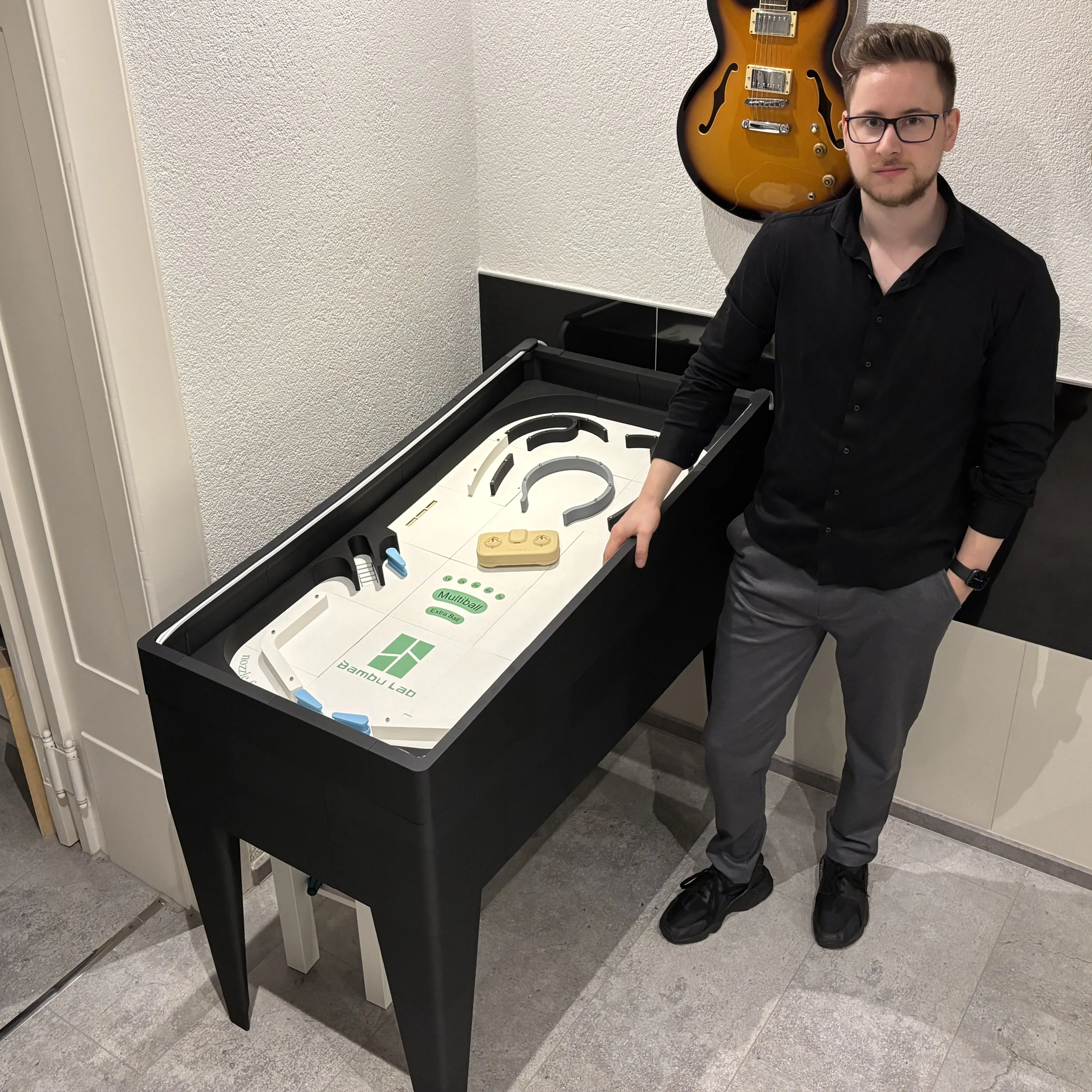
Have you always wanted a pinball machine at home—without spending thousands, dealing with expensive repairs, or being stuck with a single theme and fixed layout?
With the Cyberflip One, that’s now possible!
It’s modular, customizable, and expandable with ramps, targets, and much more—all at just a fraction of the cost of a traditional machine.
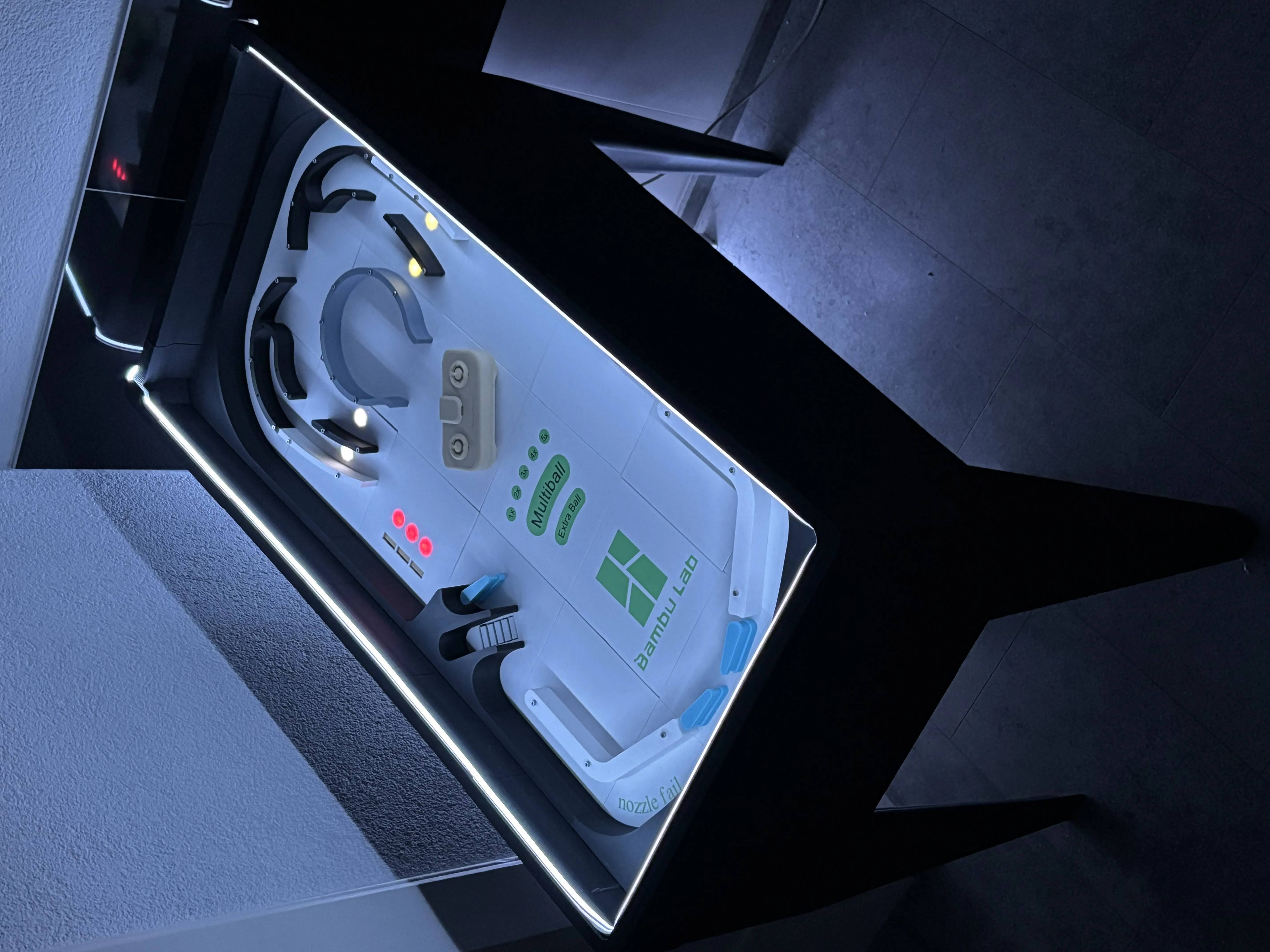
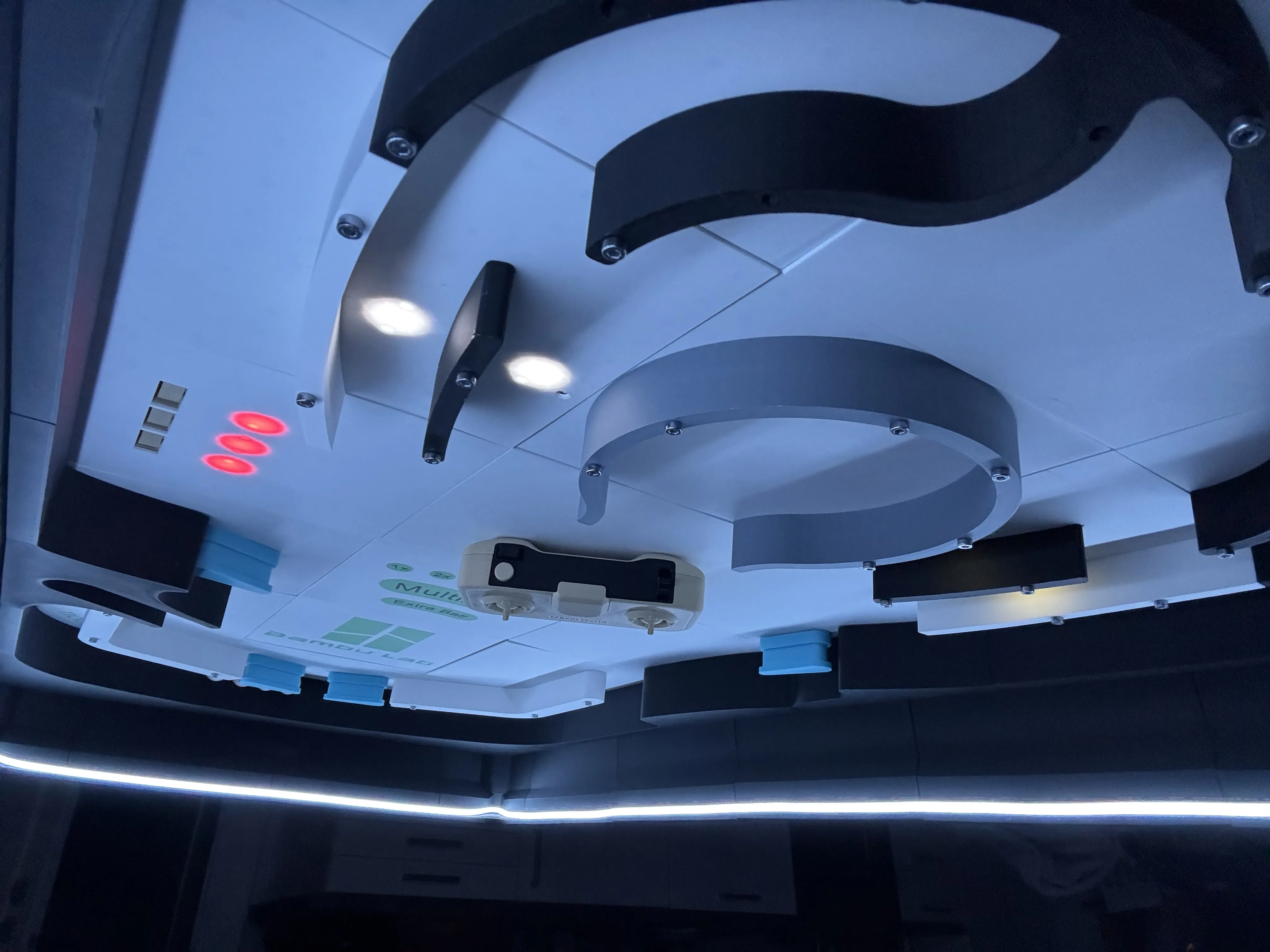
Dimensions
Approximately 60 cm wide, 120 cm long, and just under 100 cm tall at the front. It’s set at an authentic 7° angle, just like a real pinball machine.
Project Status


The Cyberflip One is about 95% complete. Over the next weeks and until the end of the crowdfunding campaign, more features will be added:
- Second playfield layer with ball return system
- Multiball and Extra Ball fields with LEDs
- Additional LEDs around the flipper arms for true pinball feeling
Surface design will be further detailed and enhanced
The Cyberflip One is fully compatible with the Cyberbrick system. The base unit controls multiple relays, which operate the flipper arms powered by specific solenoids. With the original Makerworld remote, the machine can be controlled directly. If there’s enough demand, optional side buttons can be added to the cabinet for a classic pinball experience.
Versions
With the Basic Version, you get a ready-to-print file that you can print and assemble following my instructions and videos.
With the Modular Version, you can go even further: rearrange targets and lanes, add or remove flipper arms, reposition drop targets—anything is possible! You’ll also get extra instructions and models, optimized for easy adjustments in Bambu Studio.
There is also a More Surfaces option, which adds the first additional surface for Cyberflip One. Buyers can share ideas for future designs (no licensed content), and I’ll decide which to create.
The Commercial License allows you to sell complete, physical Cyberflip One units. The digital files are not included for resale.
Why I’m Raising Funds ?
This project has already required a lot of time, money, and work. Not just for electronic components I purchased and tested from various suppliers, but also for filament, tools, and countless failed prototypes. Your support is crucial to complete the project and implement all planned upgrades.
Follow the Build
If you’d like to see more videos, details, and behind-the-scenes progress, feel free to check out TikTok: @dododomme. There I show how the drop targets were developed, the challenges I faced, and regular updates on the project’s status.
I’m considering creating a scoring system. The problem is that the Cyberbrick system probably won’t work for this. It would require a microcontroller.
If the project generates $5,000 in revenue, I will try to build such a scoring system. This means that when drop targets are hit, the score will increase; when the different lanes at the top are passed through, it will also add points. There would also be the possibility of score multipliers.
I would program this to display on an LED panel, so that images, symbols, and text could also be shown. For this, I would either use the LED strips from Bambu Lab—since each LED can be controlled individually—or I could use ready-made LED matrices, for example, a 16×16 grid.
I already have experience with programming microcontrollers through my Smart Cat Litter Box project, which also contains a microcontroller. However, I have not yet programmed an LED matrix with a scoring system.
The scoring system would likely cost around €100–150 extra for each person who wants to add it to their pinball machine, on top of the regular costs for the pinball build itself. This is a rough estimate, and more details will come later. I will keep you updated as the project progresses.
Cyberflip One - Basic




Cyberflip One - Modular






Cyberflip One - More Surfaces