
I’ve always been fascinated by lamps — not just as objects, but as instruments that shape light, shadow, and mood. When I saw MakerWorld launch the new "Glow Within" contest, I knew it was the right excuse to finally try an idea I’d been sitting on for a while: capturing the surreal tension of an eclipse.
That moment when the sun hides behind the moon, when time feels like it bends — I wanted to freeze it into a lamp.
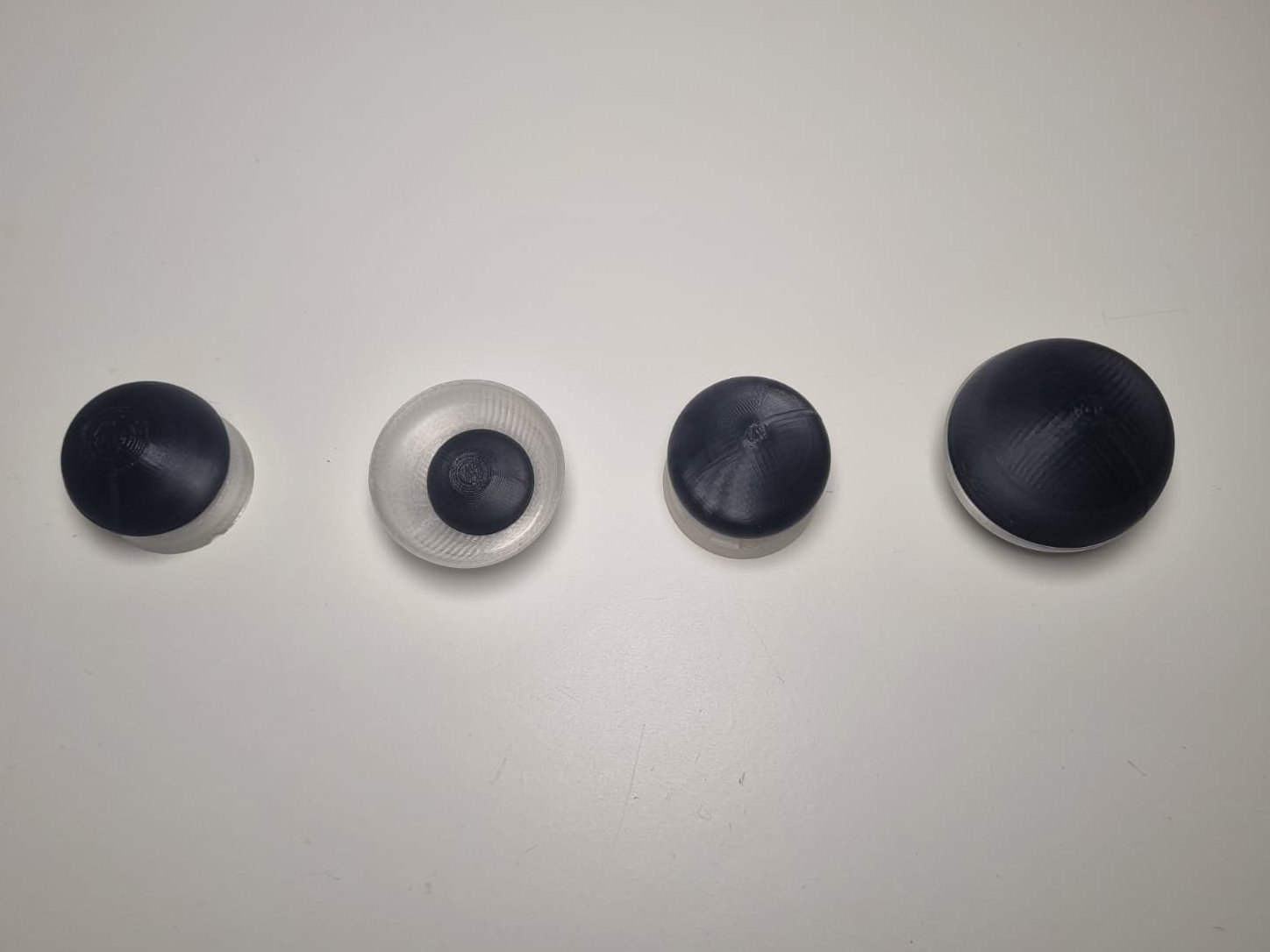
My design guidelines from day one:
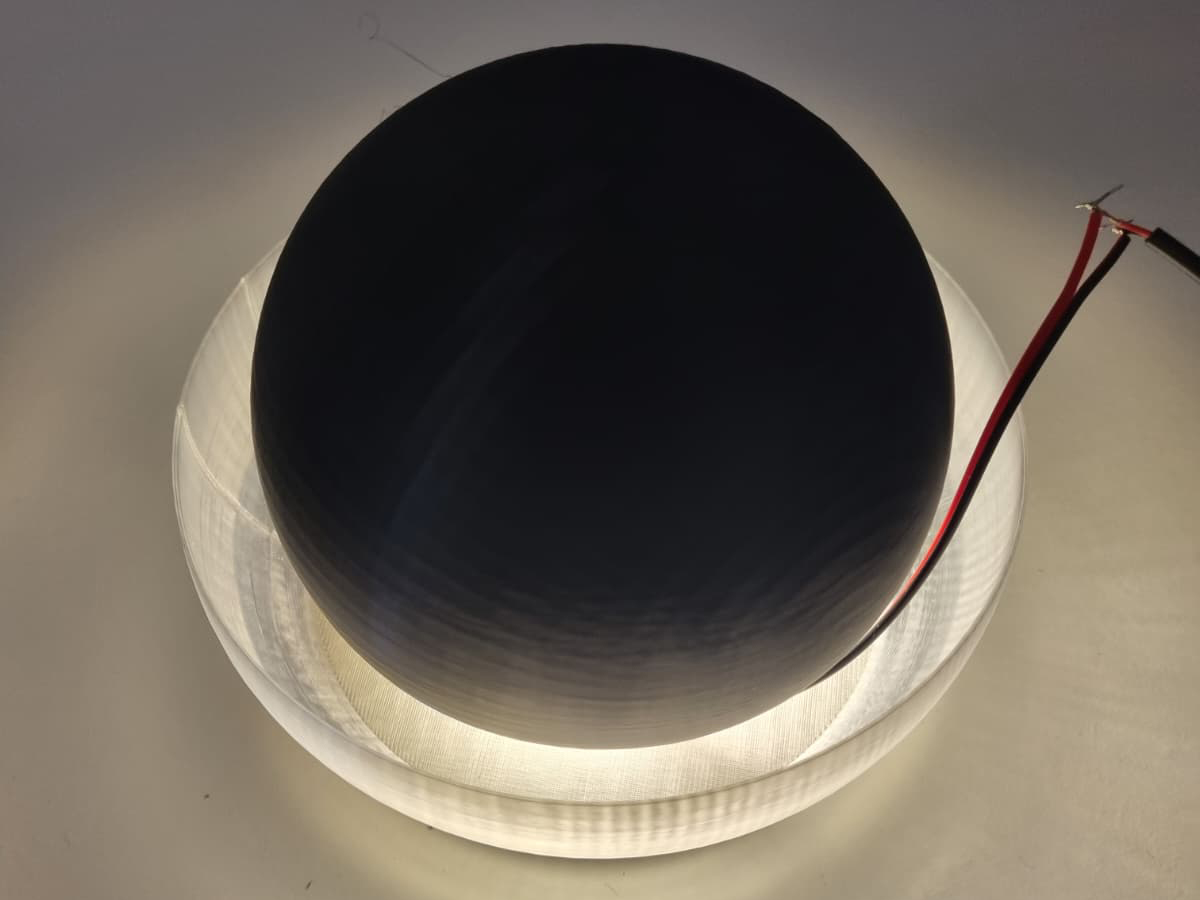
- Levitation & tension – The dark sphere had to feel like it’s floating, suspended in front of the light, visible from different angles.
- Not flat light – Most eclipse-style lamps use wall washes or masking tricks. I wanted something truly volumetric, with light that feels alive in 3D.
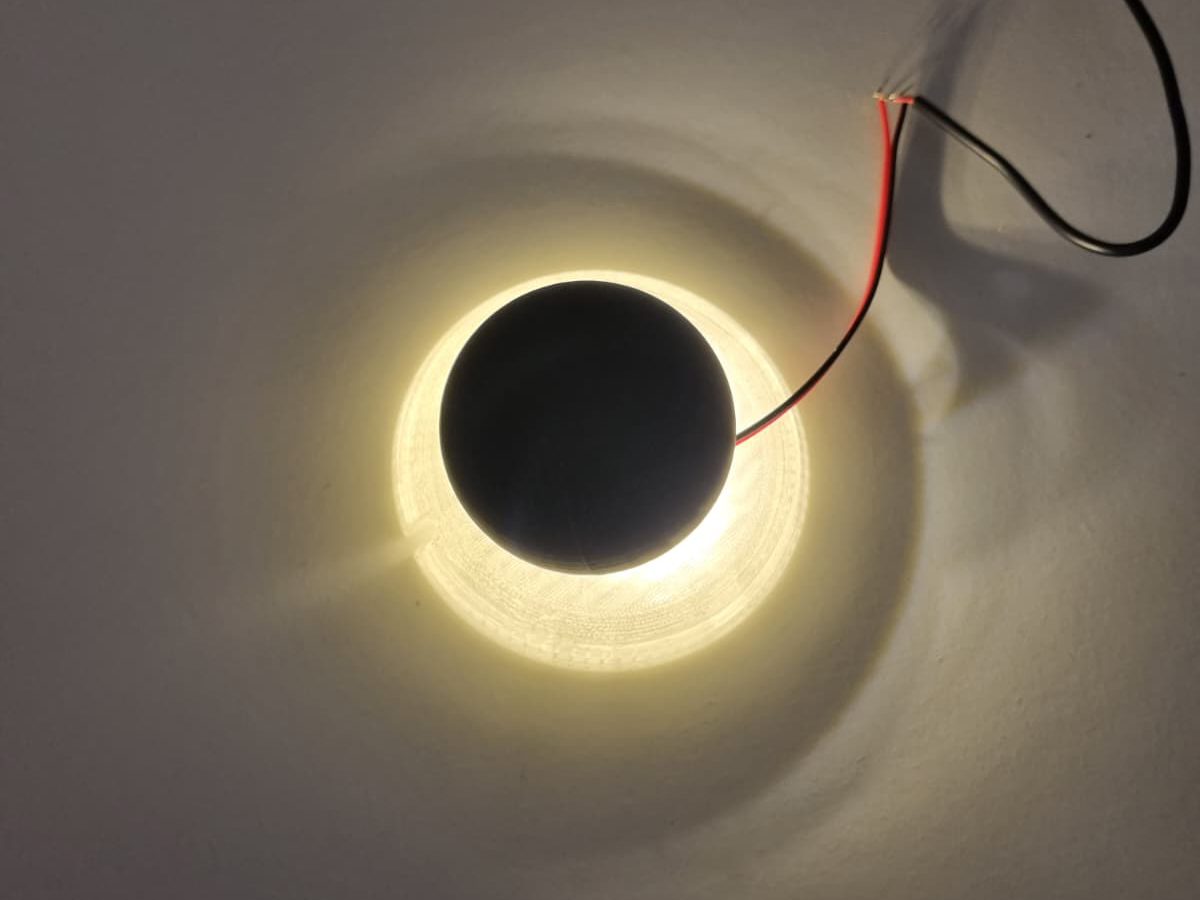
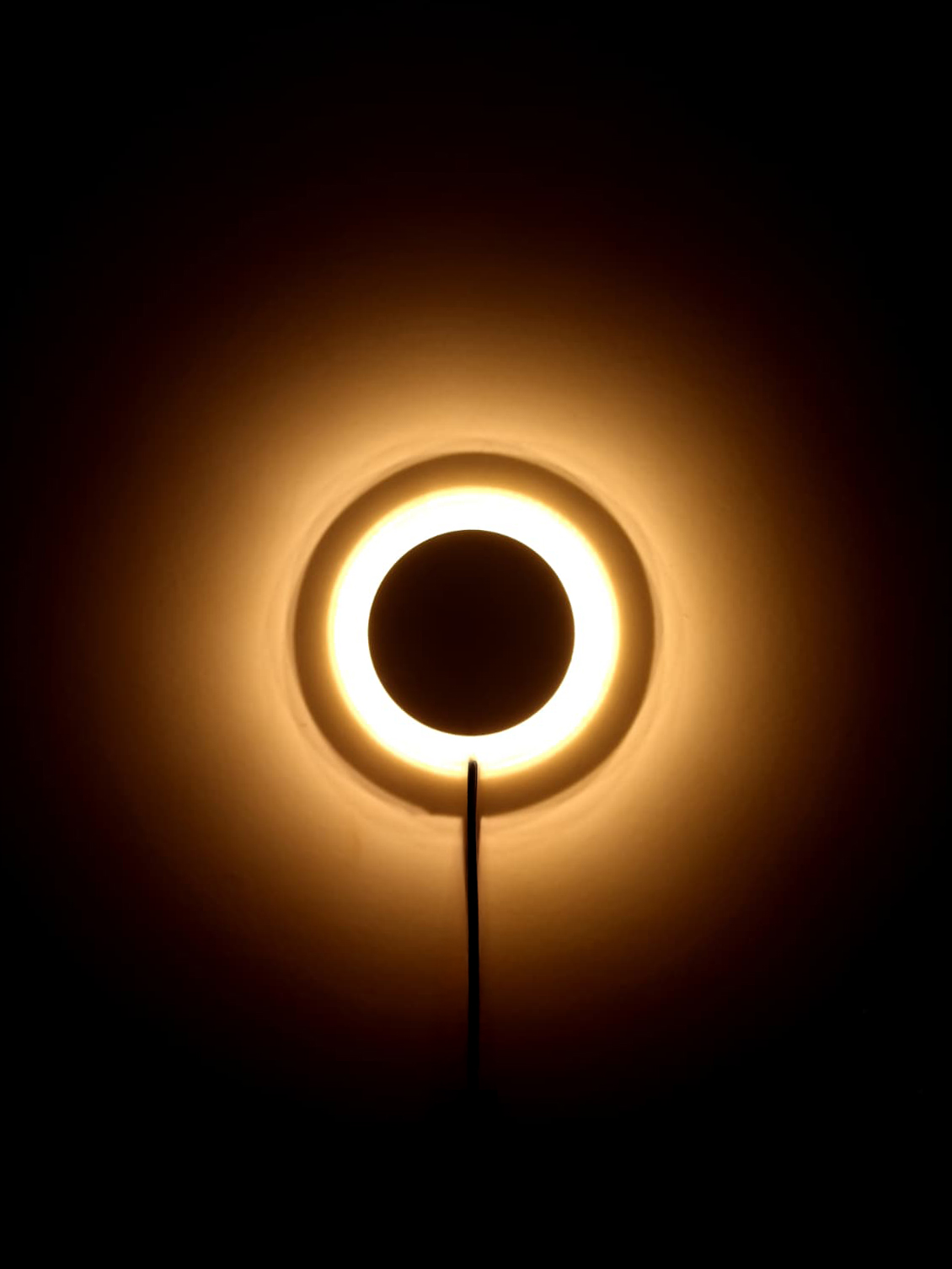
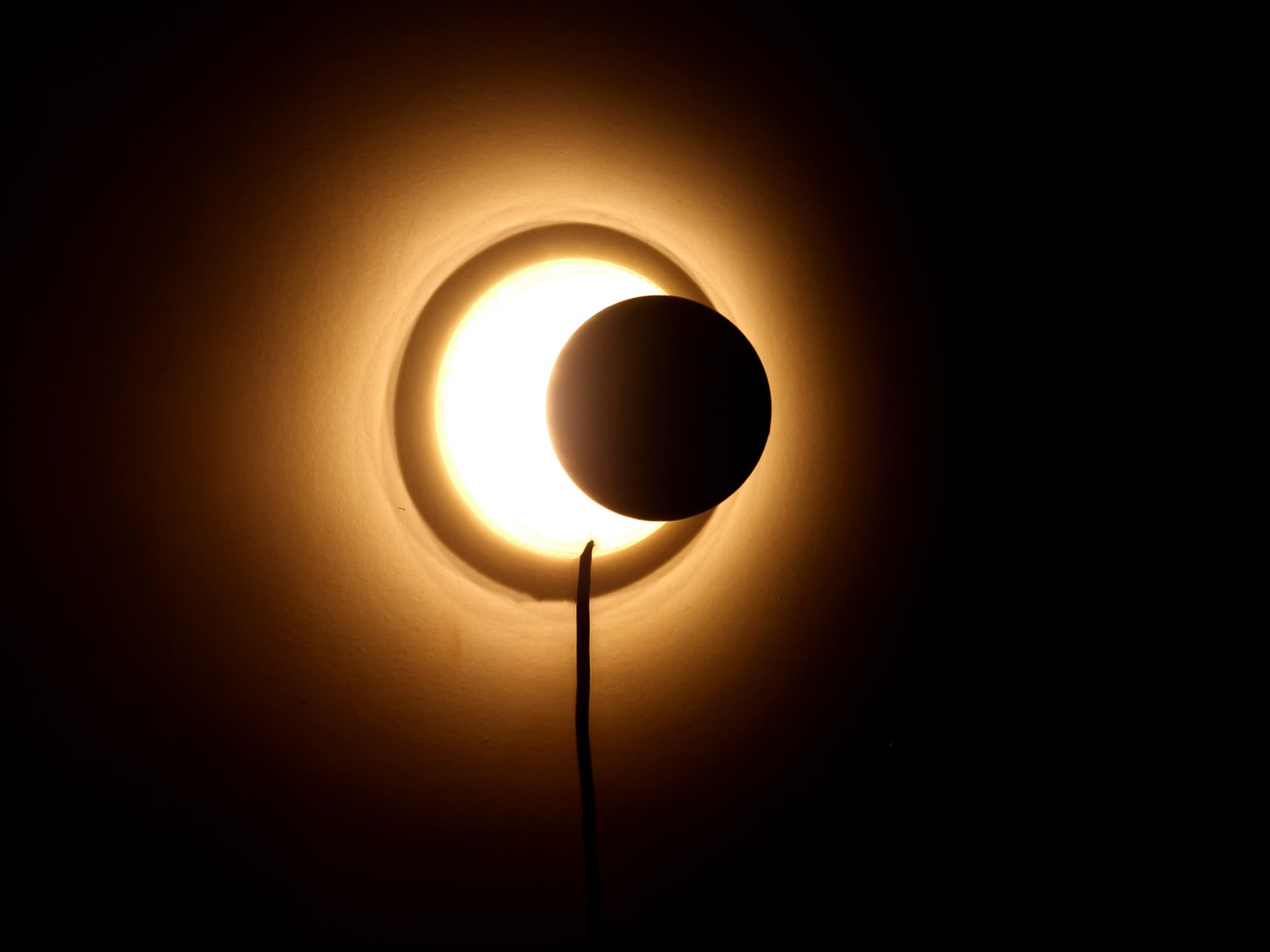
- The rim effect – During an eclipse, the rim of light shifts and leaks in dynamic ways. I wanted the viewer to experience that subtle, changing outline depending on perspective.
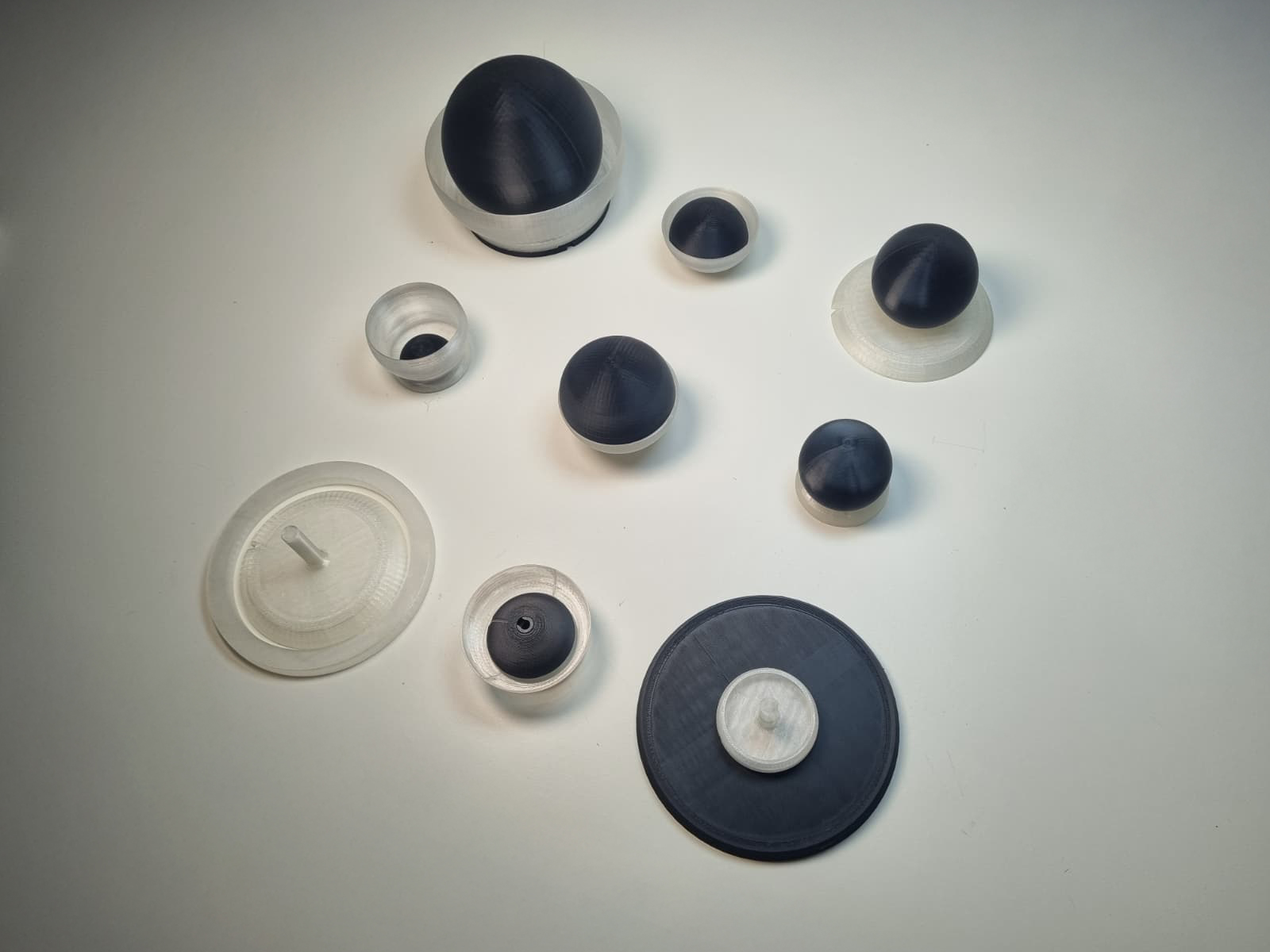
The prototyping journey
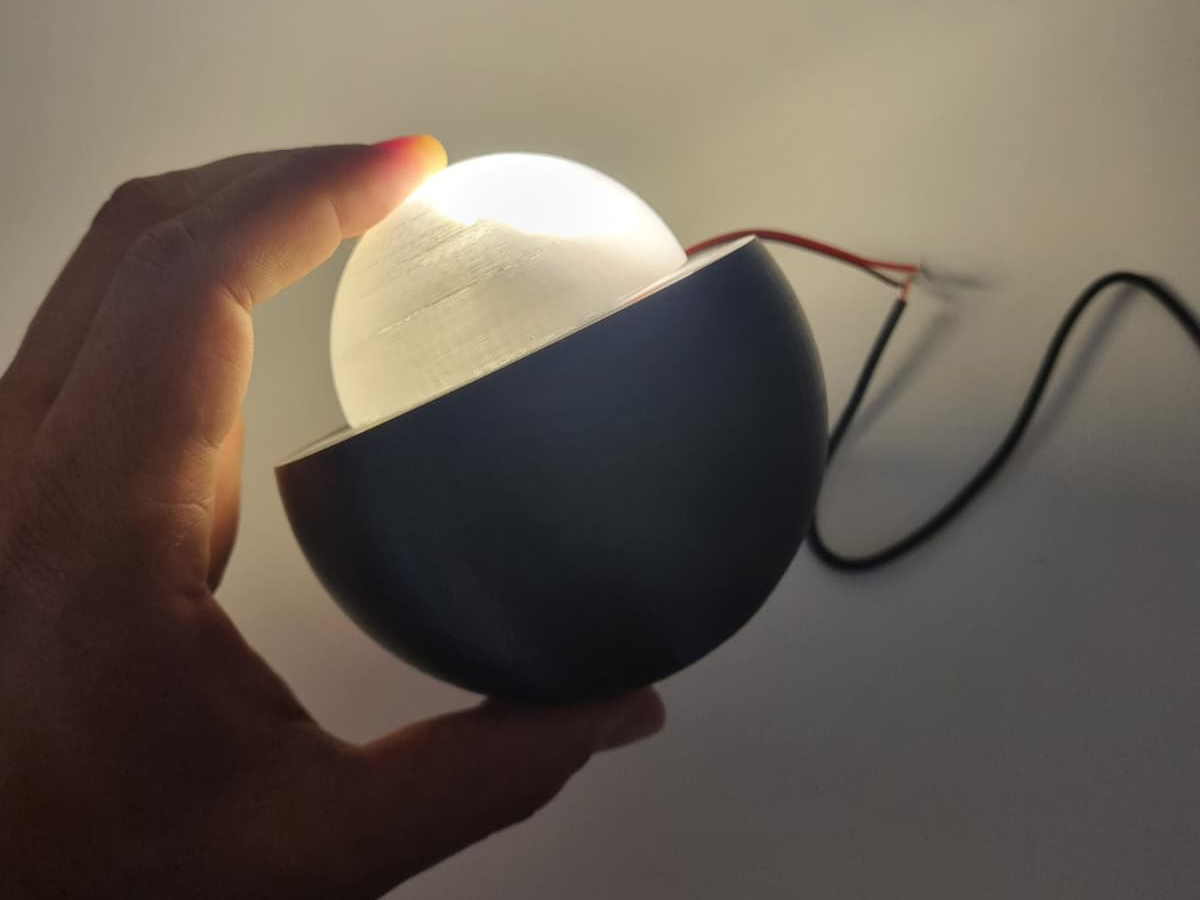
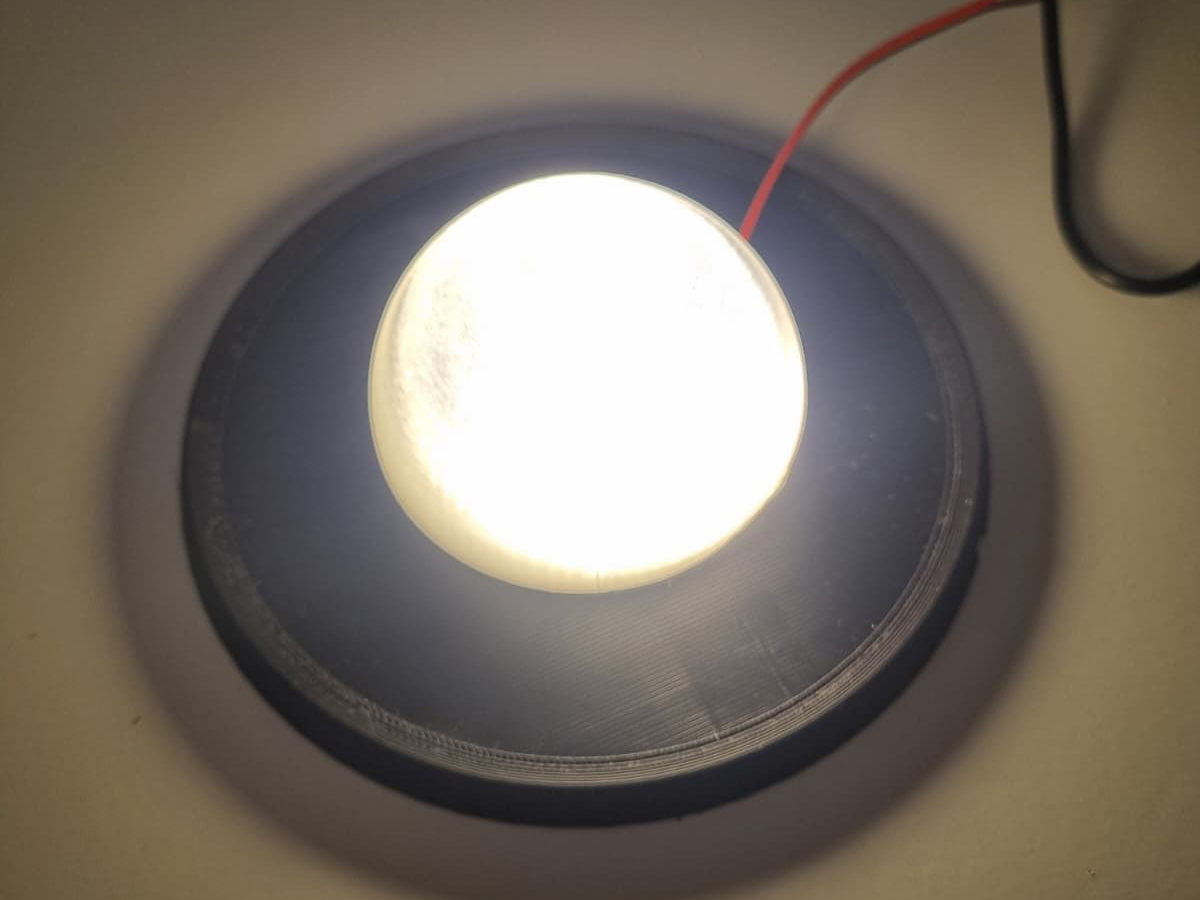
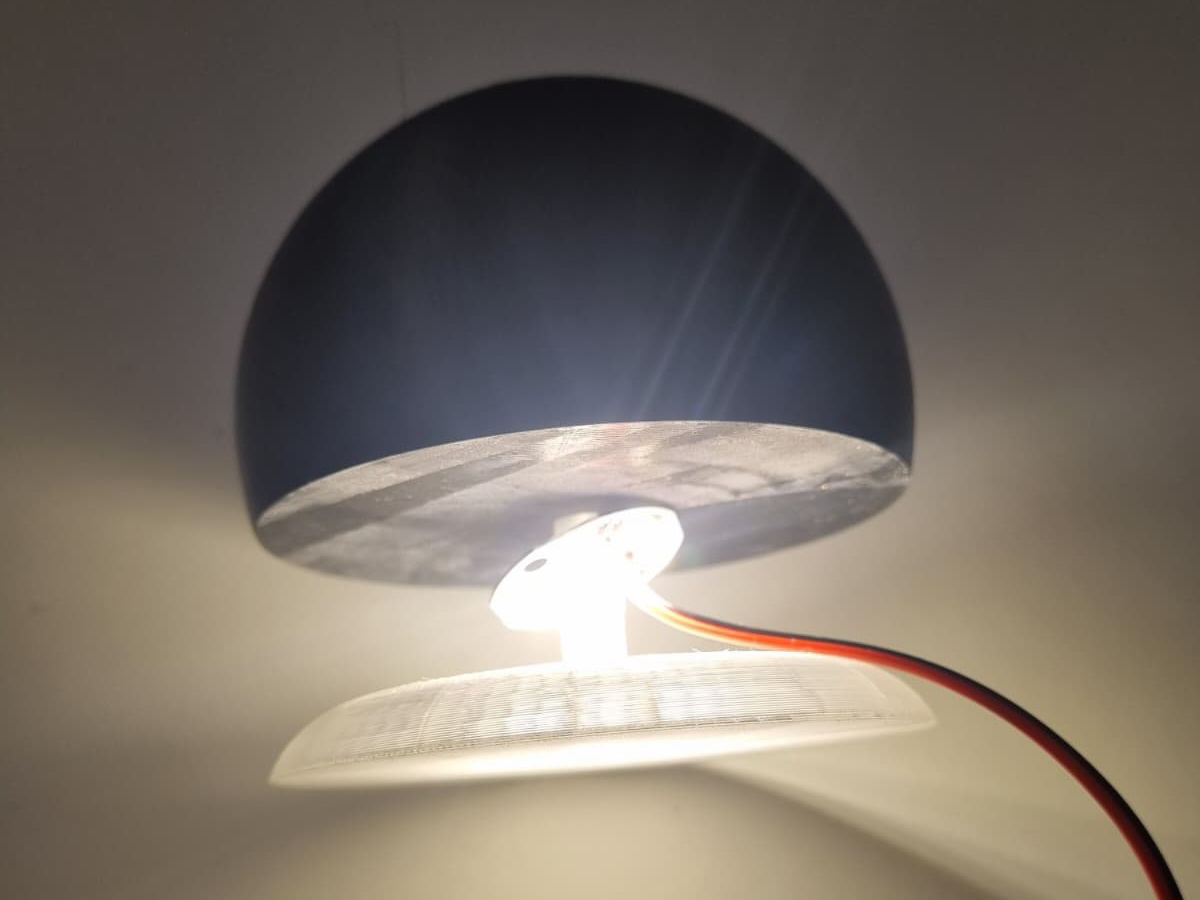
I started small, with modular shapes I could mix and match. Over 3 days (and 15+ prototypes later), I went through everything from “ball within a ball” experiments to half-spheres and offset light sources.
Some discoveries along the way:
- The spherical silhouette was non-negotiable — only a round surface could capture that crawling rim of light.
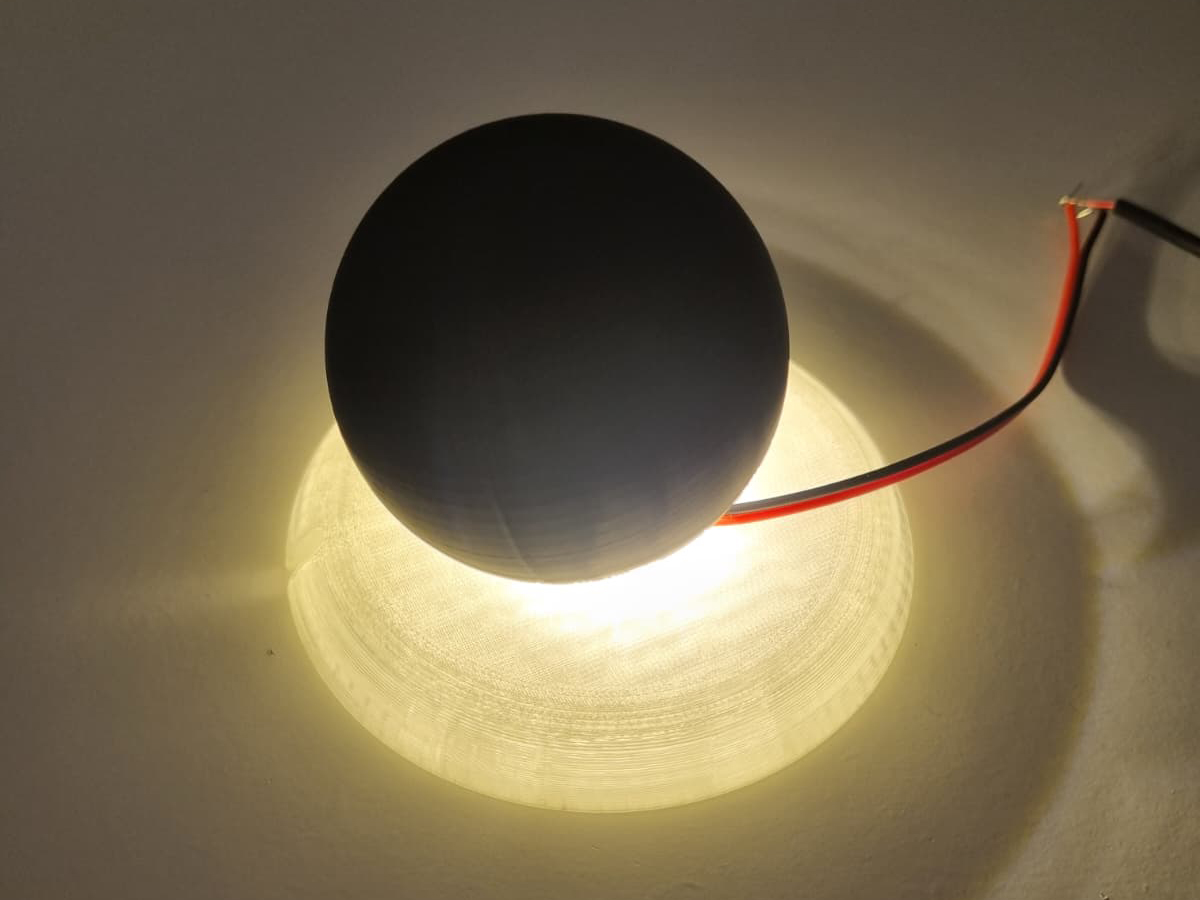
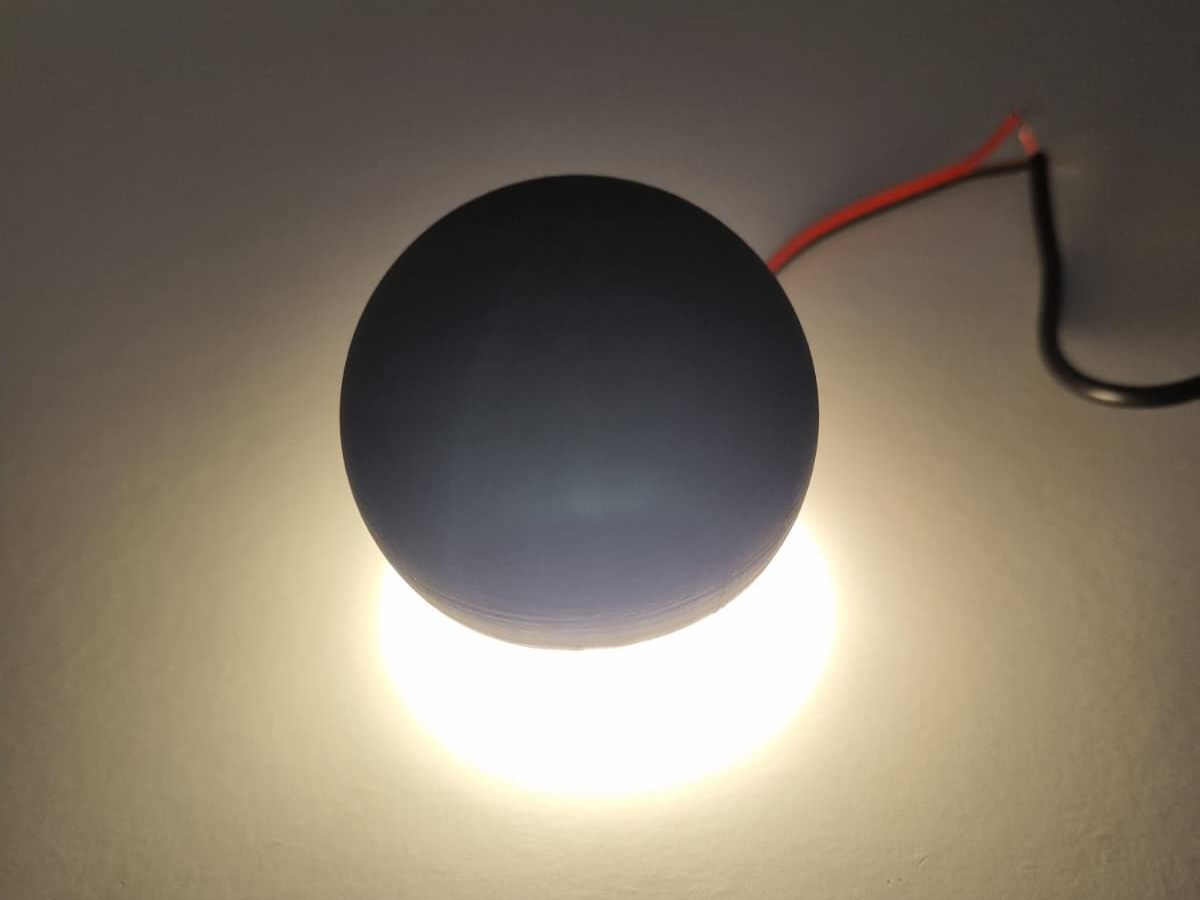
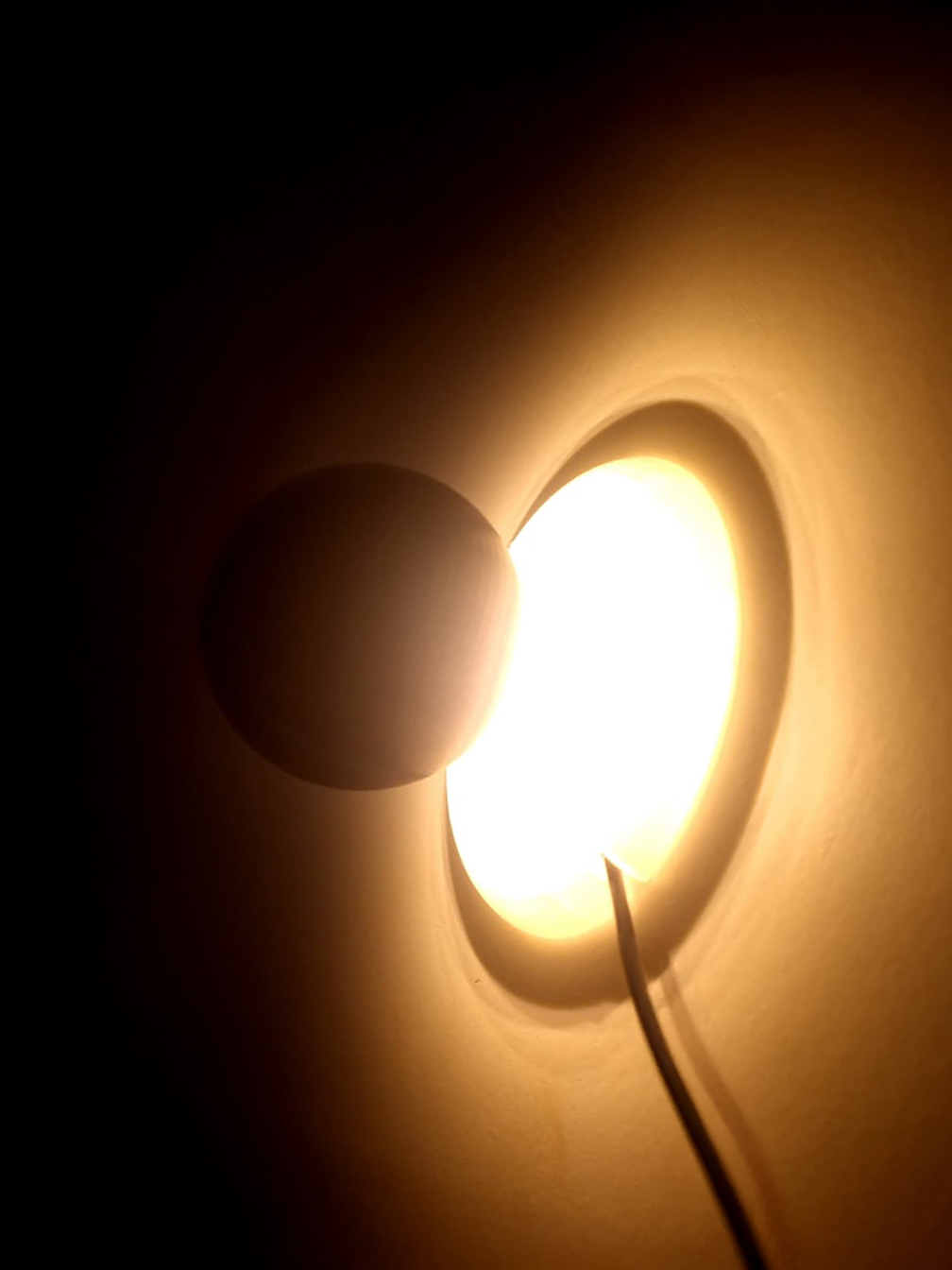
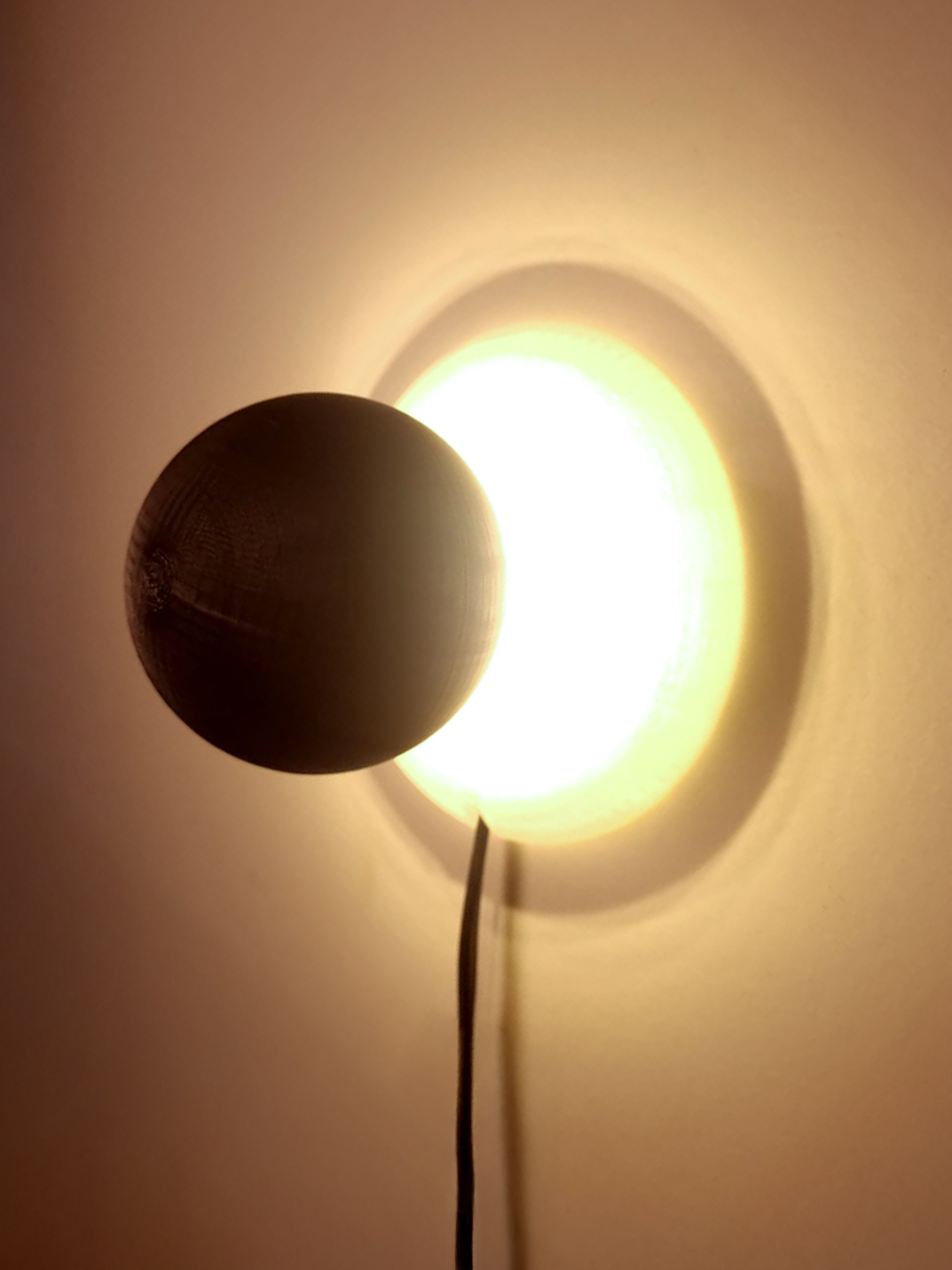
- A light pointed toward the wall gave me this unexpected effect: the black sphere stayed in silhouette, while the lamp projected a jagged, almost solar-flare-like shadow beneath. I loved it.
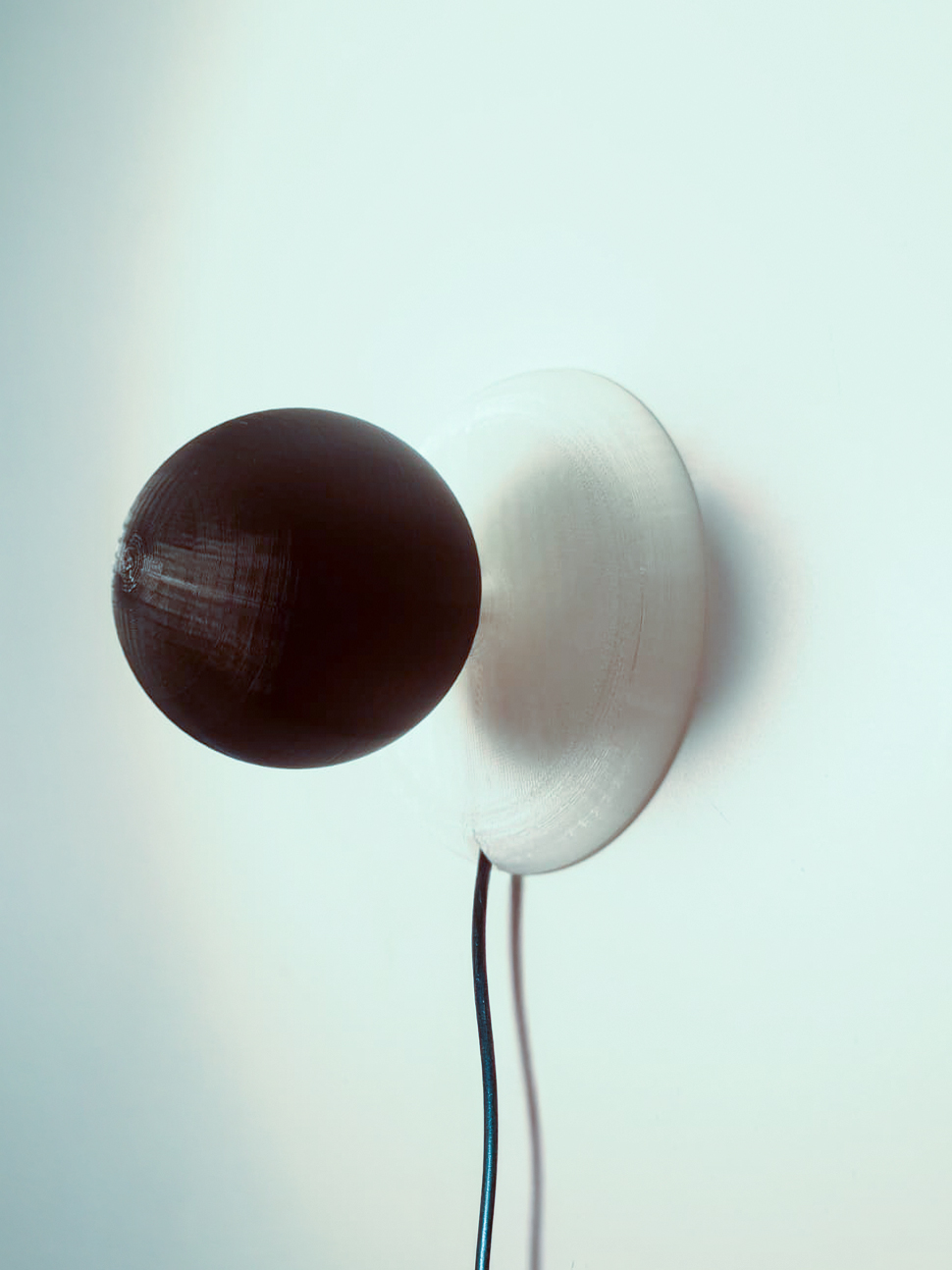
- Keeping just a sliver of space between the dark sphere and the wall made the object feel cosmic — suspended in mid-process — from almost any angle.
It was a rollercoaster: excitement with every fresh print, frustration when the effect wasn’t right, and finally that eureka when the shadows and glow aligned.
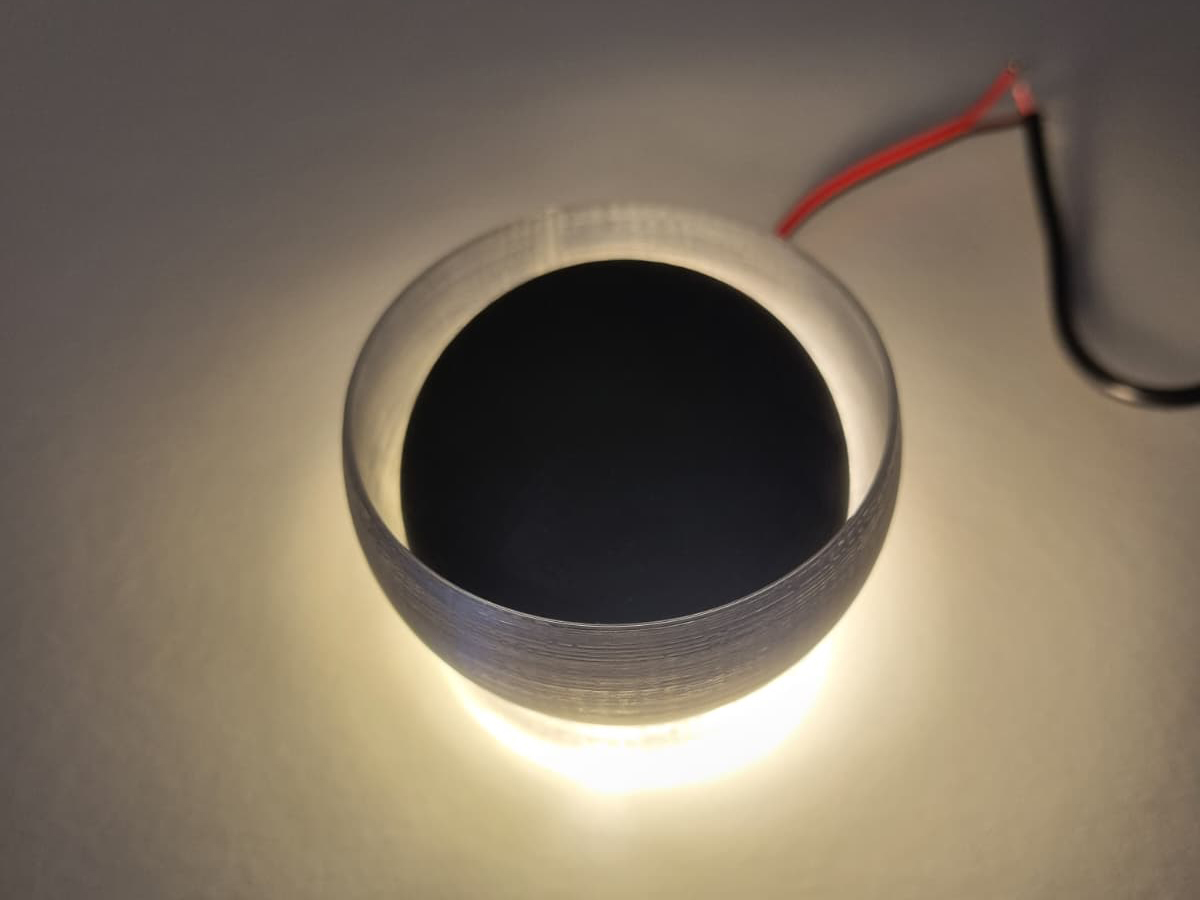
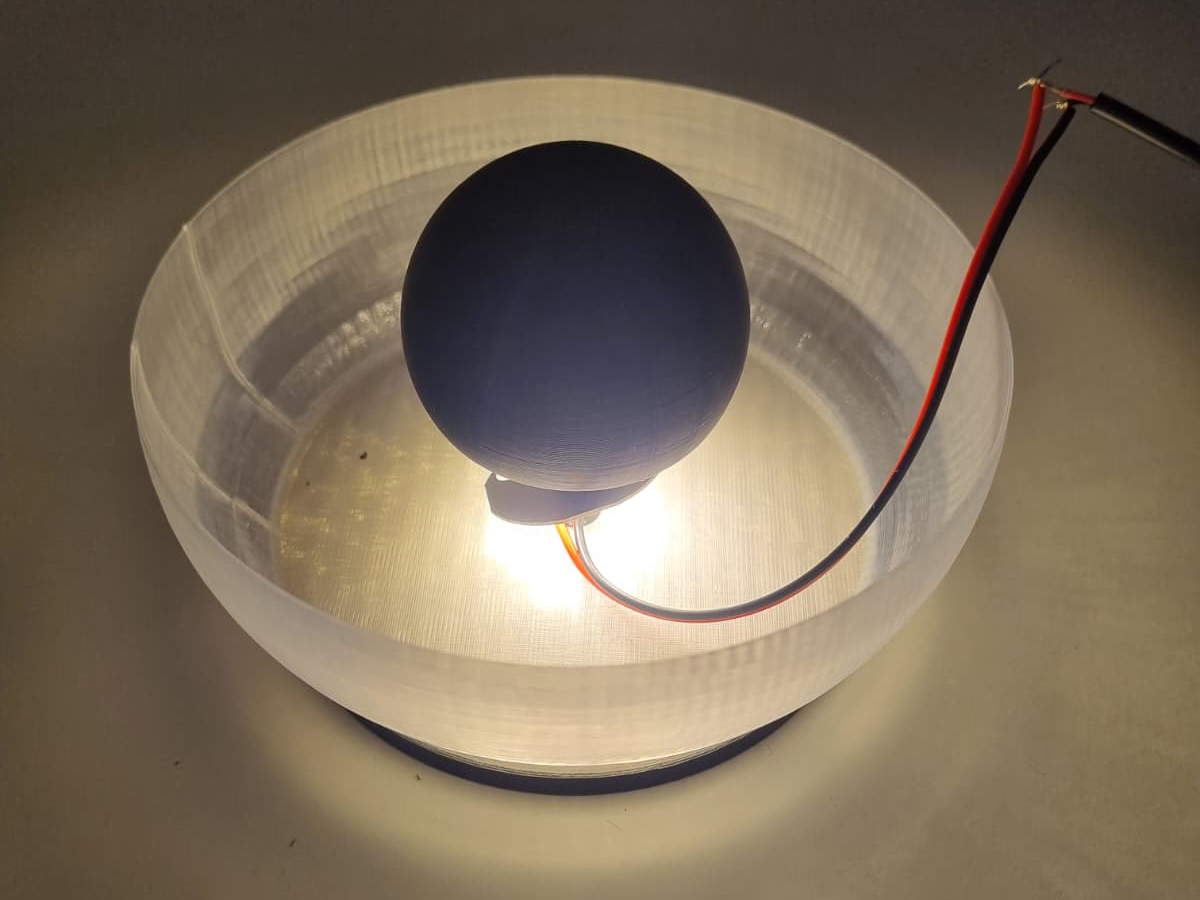
What I took from the process
- Trust the process. Every “failure” prototype was really just one step closer to the answer.
- Stay modular. Reusable parts saved material and let me iterate faster.
- Lighting can’t be predicted. Renders lied — the only way to know was to print, wire, and see.
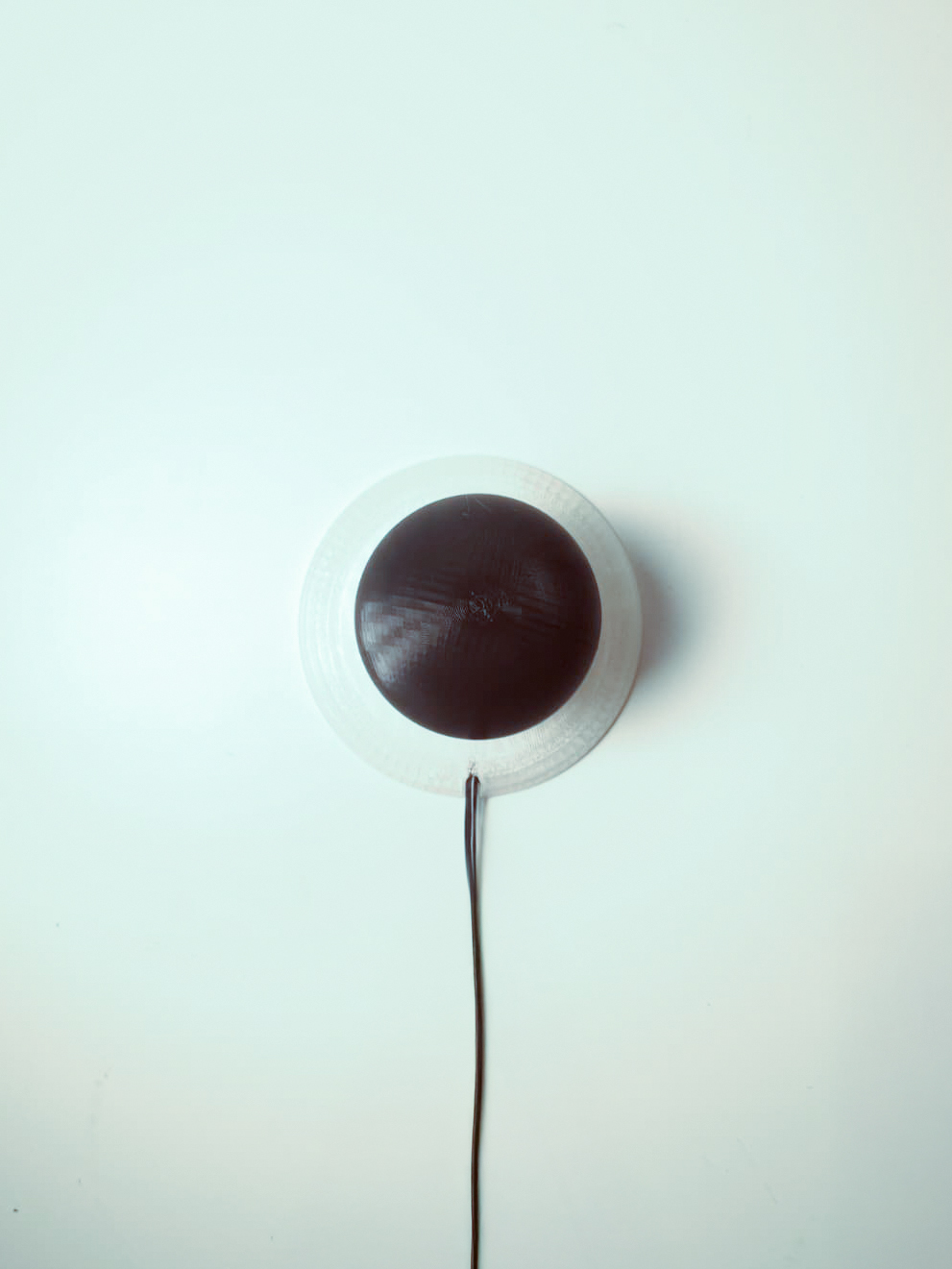
- Design for off-mode too. A lamp isn’t always on, and it should still look like an object of value when dark.
- Write values, not forms. My design brief wasn’t “make a nice lamp,” it was “achieve tension, floating, and rim-light effects.” The design bent itself around those values.
The outcome
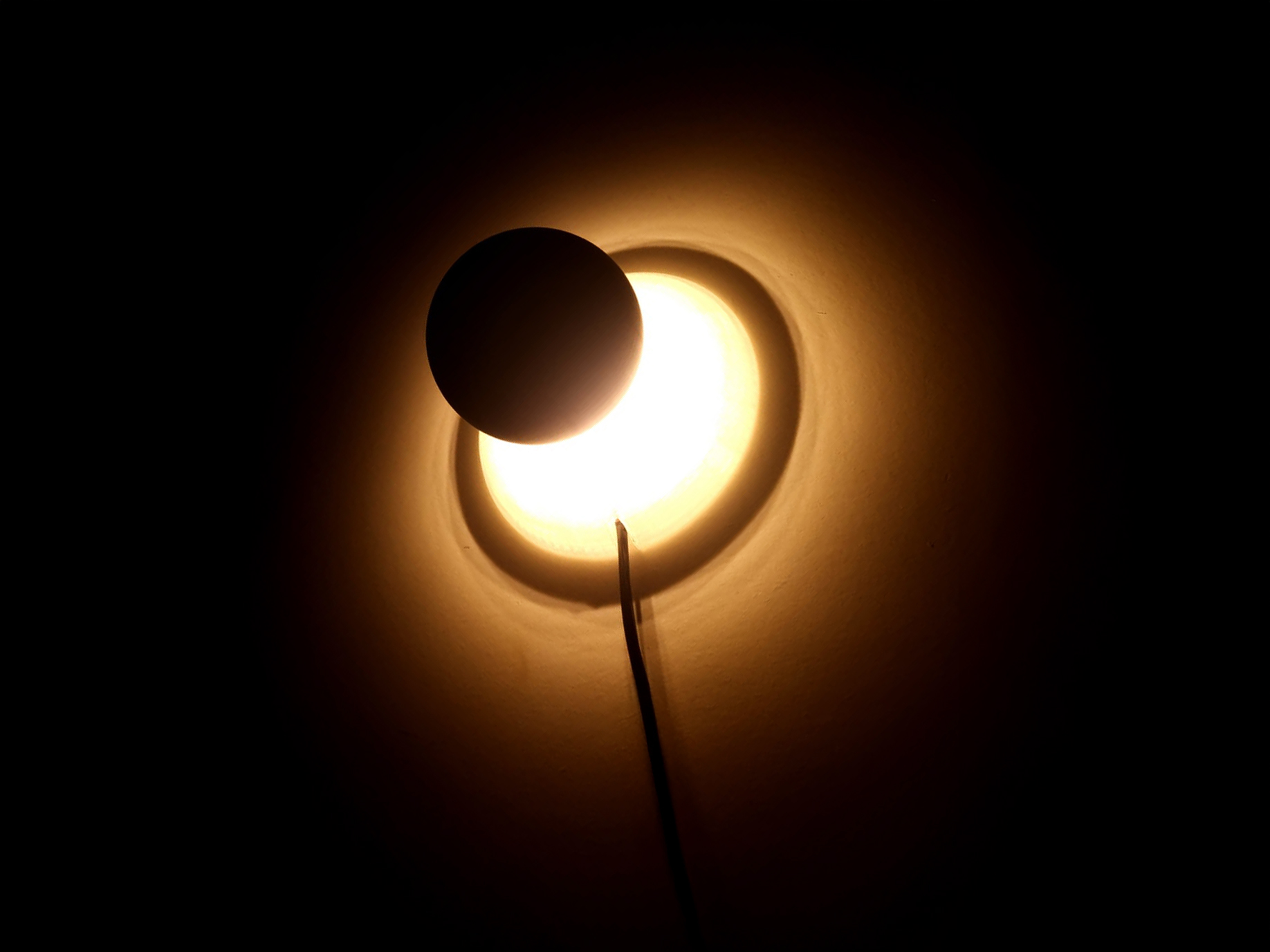
What came out of this is Eclipt — a wall-mounted lamp that dramatizes an eclipse. The dark sphere floats in front of a hidden light, casting shifting halos and shadows as you move around it. From one side, it glows like a rim of fire. From another, it’s a crooked shadow play.
I’ve uploaded the design files (with print instructions) — you can see it here.
This was one of my most rewarding design journeys yet, and I’m excited to finally share it.
Would love to hear your thoughts — and if you end up printing it, please share back how it turned out for you!