Search models, users, collections, and posts

Customizable Mold Box
IP Report
Print Profile(1)

0.2mm layer, 2 walls, 15% infill
Designer
4.5 h
2 plates
Open in Bambu Studio
Boost
478
1575
25
8
745
320
Released
Description
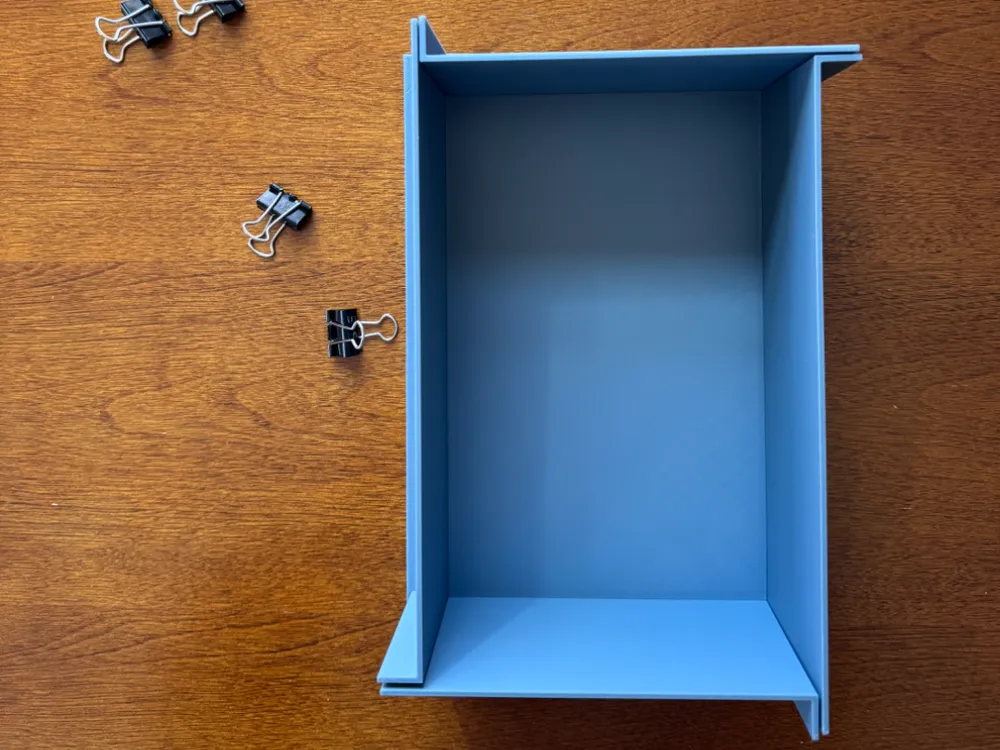
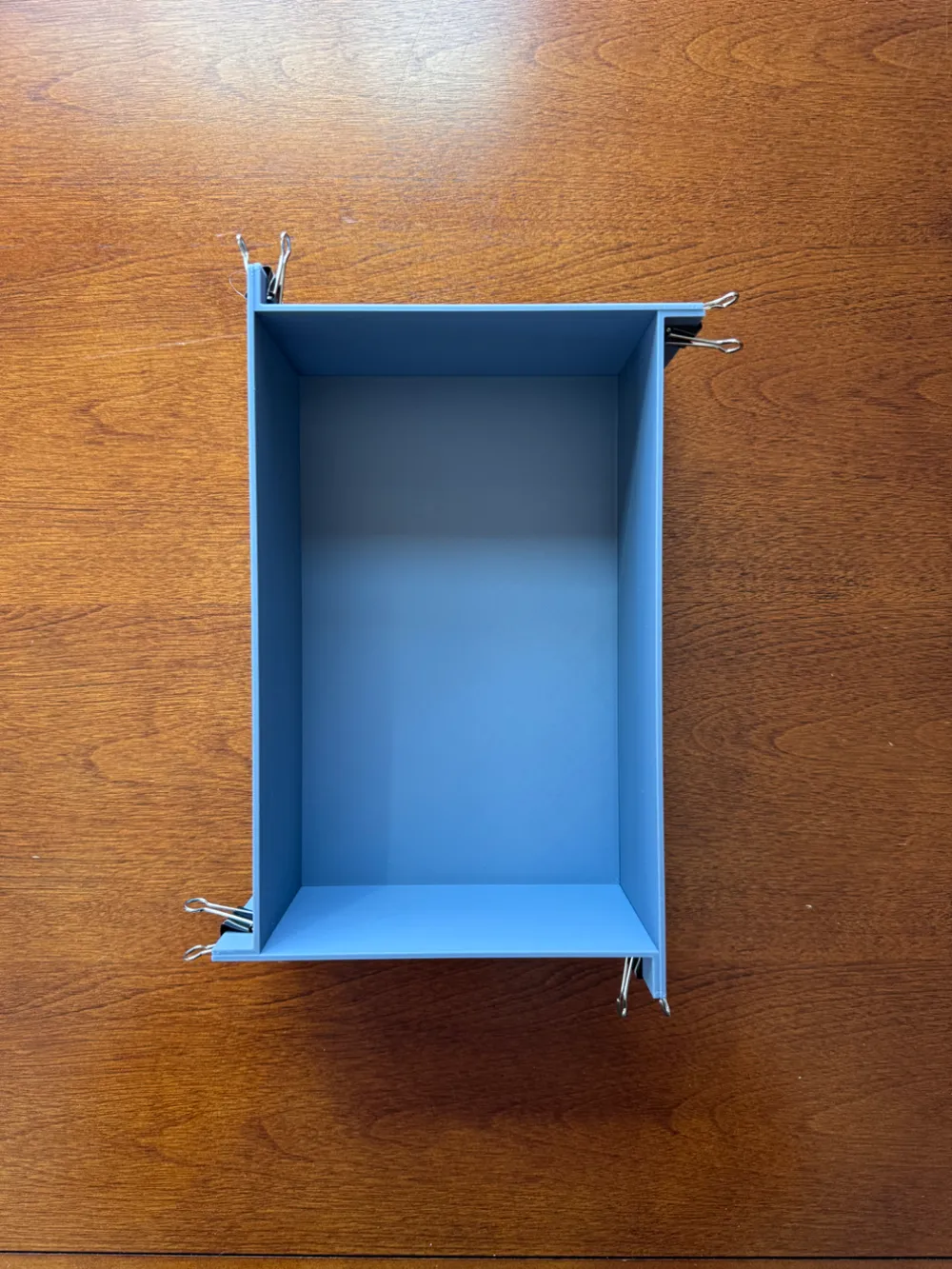
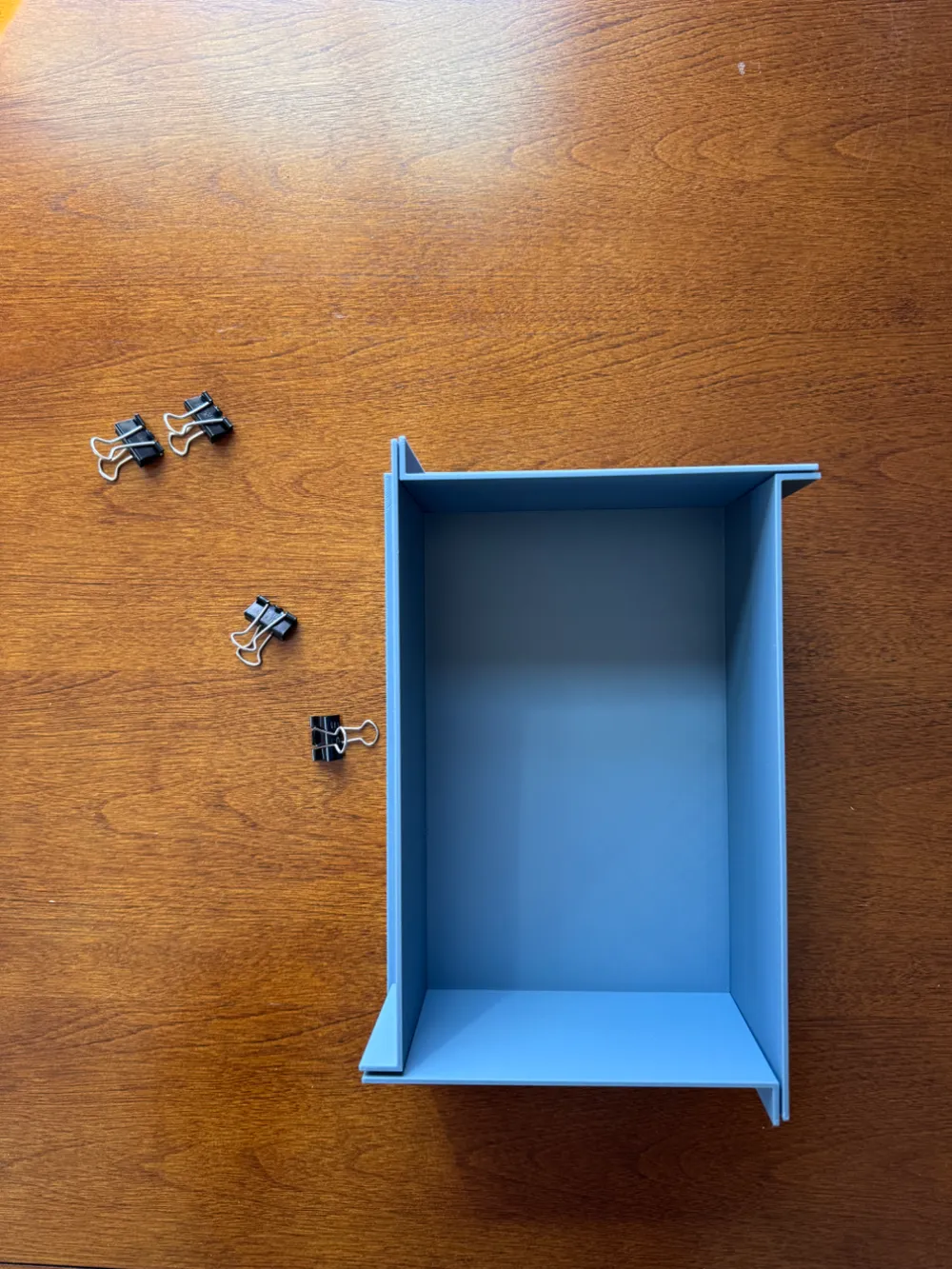
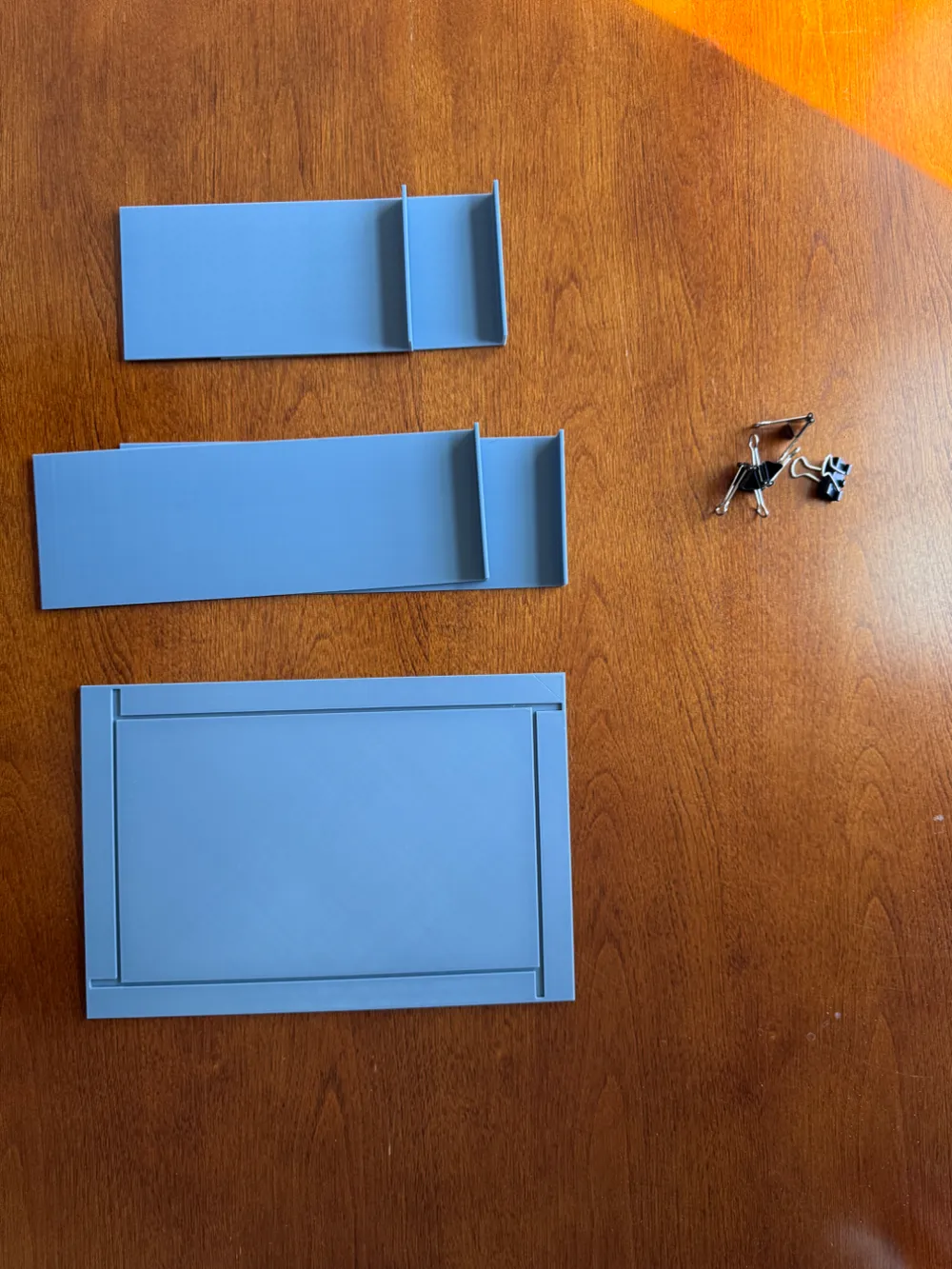
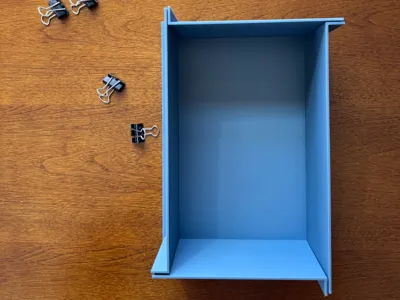
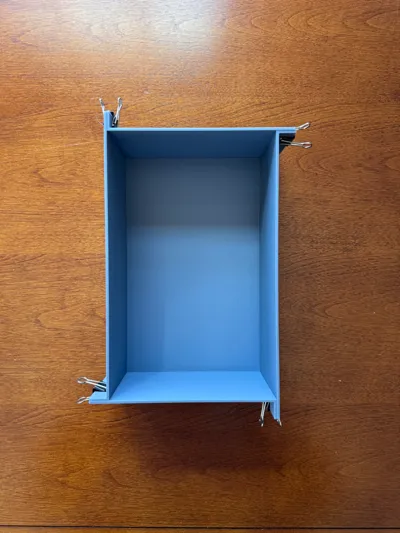
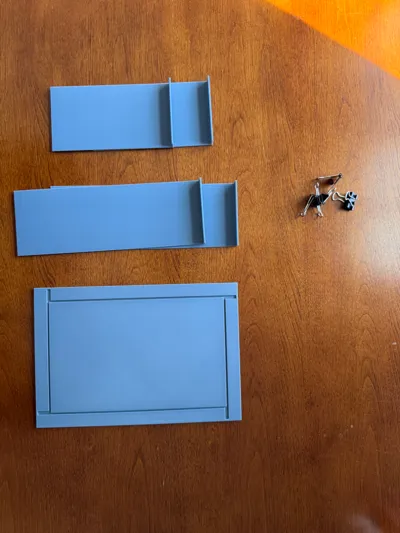
This parametric, 3D-printable coddle board system allows you to create a custom-sized containment box for various molding and casting applications. Originally designed for slip casting mold-making, these modular walls and base plates can also be used for resin casting, plaster molds, silicone molding, or general workshop needs.
Features
- Fully customizable – Adjust length, width, and height to fit your project.
- Two separate print plates – Base and walls are printed separately for easy assembly.
- Designed for strength – Optimized for rigidity while using minimal material.
- Supports both inches & millimeters – Set your preferred unit system.
Tips
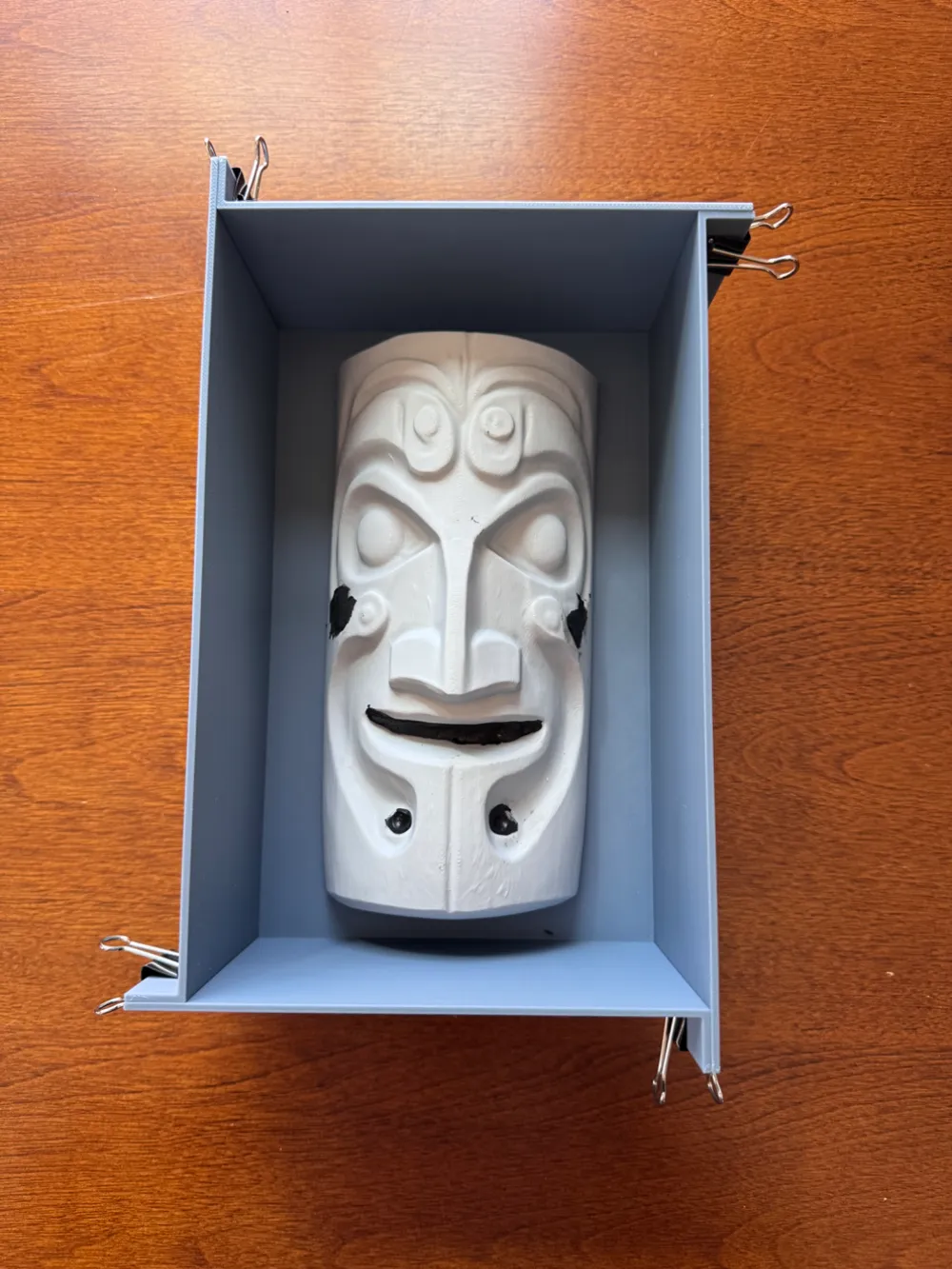
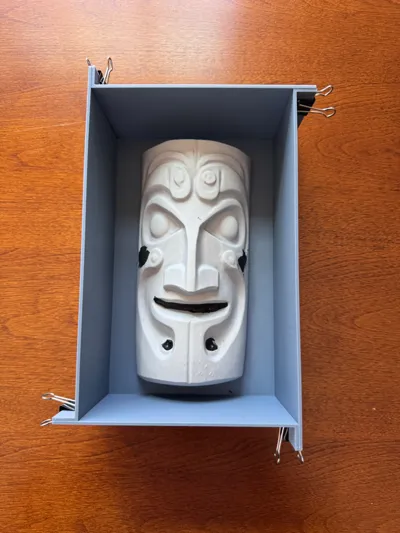
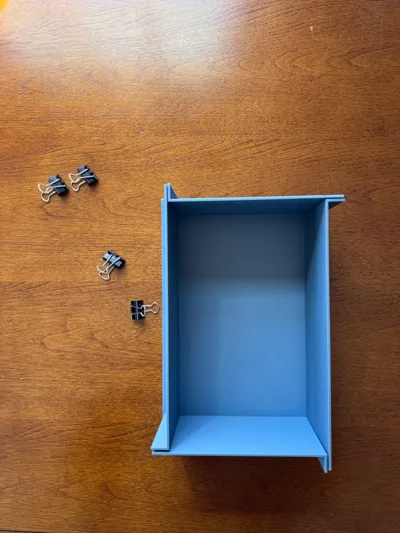
- Use binder clips to hold the coddle boards together.
- If you put a little vaseline in the grooves and where the walls meet, it is pretty water tight… but still take precautions!
- Easily measure the volume by filling it with water and transferring to a measuring cup before casting.
- Print with PLA or PETG for general use, or use ABS/ASA for high-temperature applications.
The Tiki Example
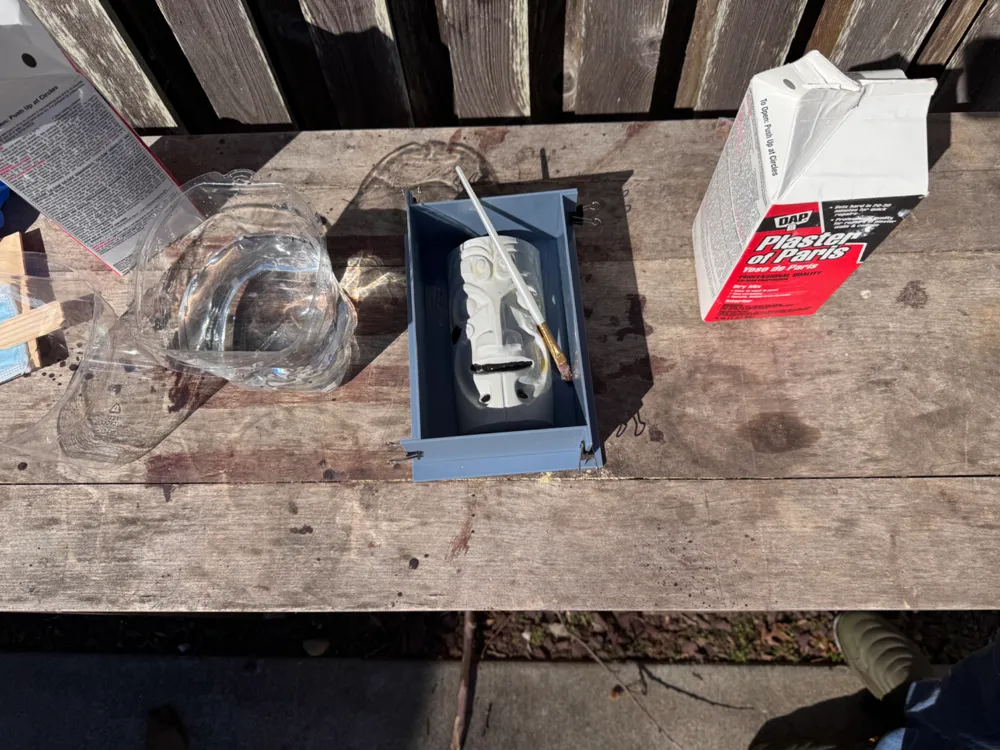
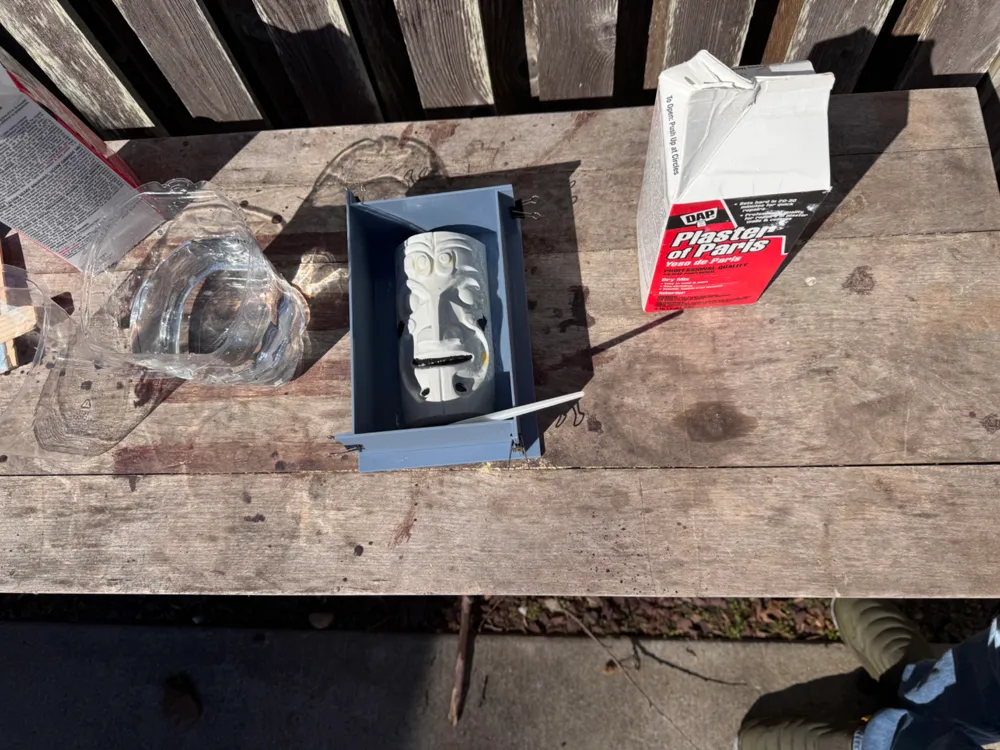
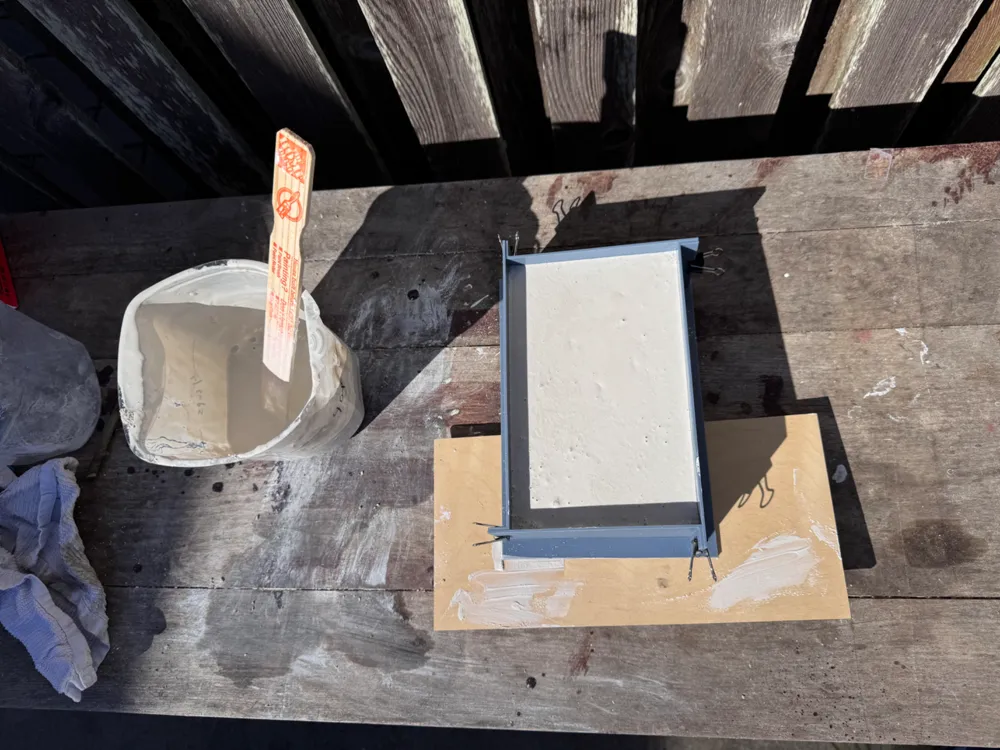
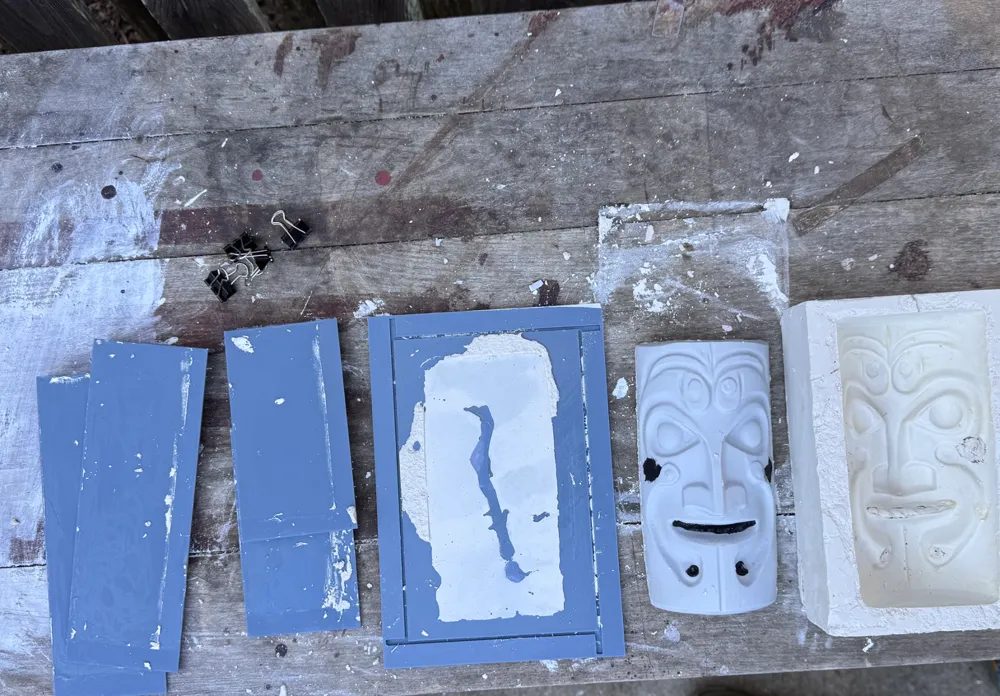
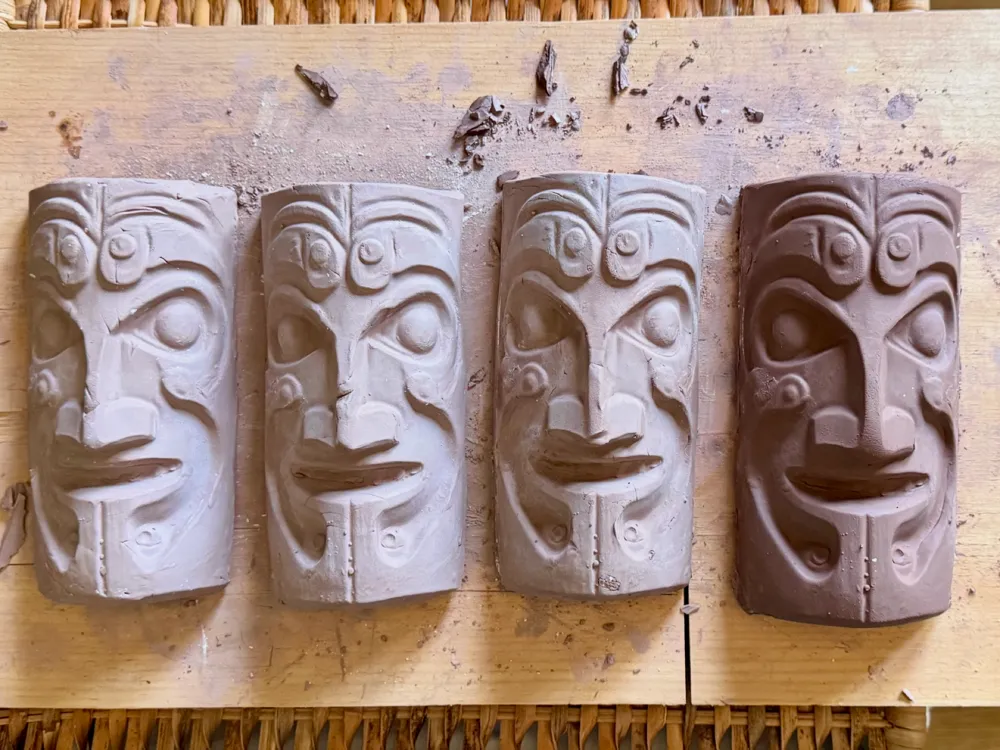
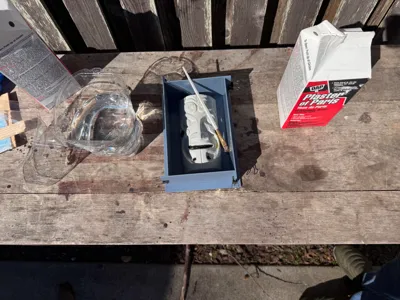
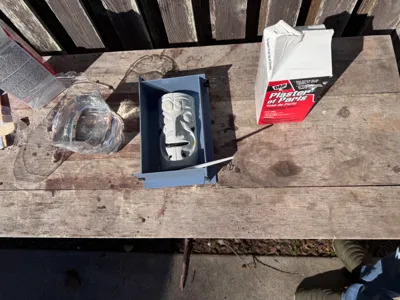
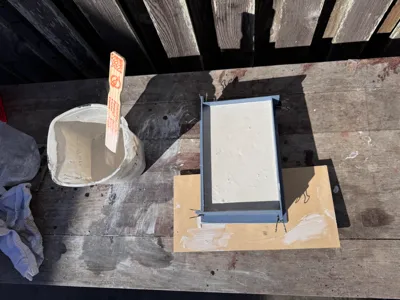
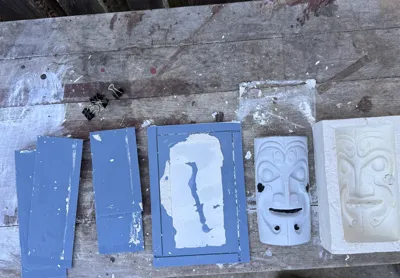
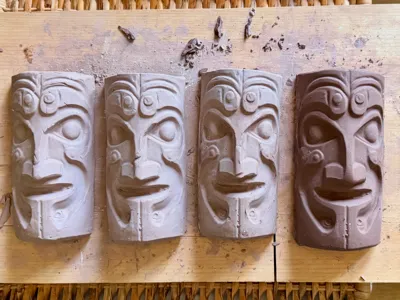
I'm still learning and exploring, but you will see a number of photos showing the process and results of casting a tiki mold.
- The tiki model started as a Midjourney image. Then I used https://makerworld.com/en/makerlab/imageTo3d to convert it to a 3d model.
- I had to do some clean up in Nomad Sculpt – the hardest part is learning how to remove overhangs. At some point I got frustrated and printed as is… just to fill overhangs with a little black modeling clay. You can see this in the picture.
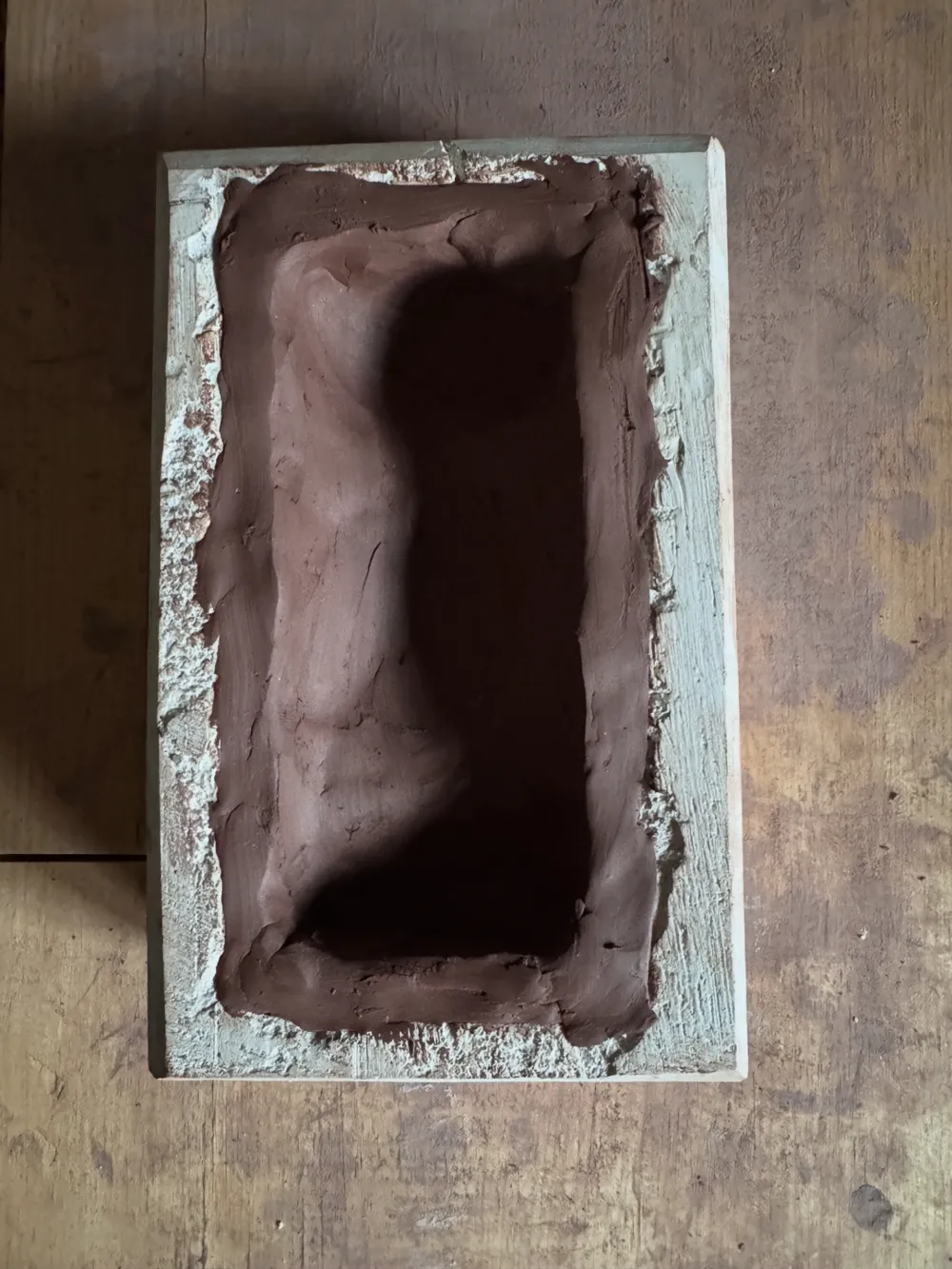
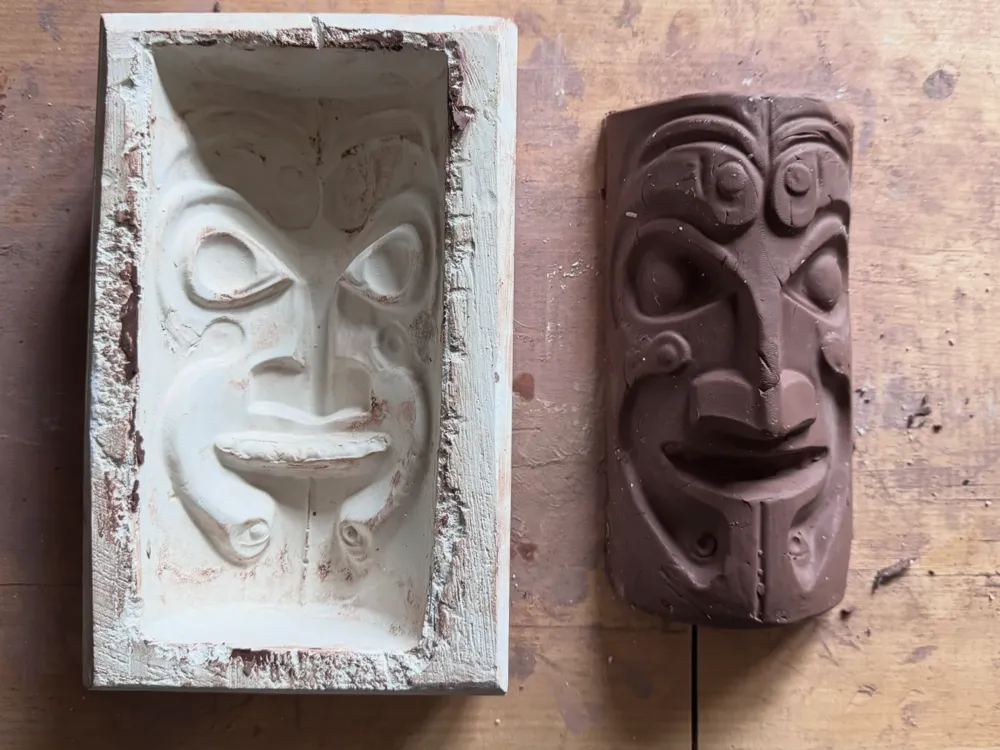
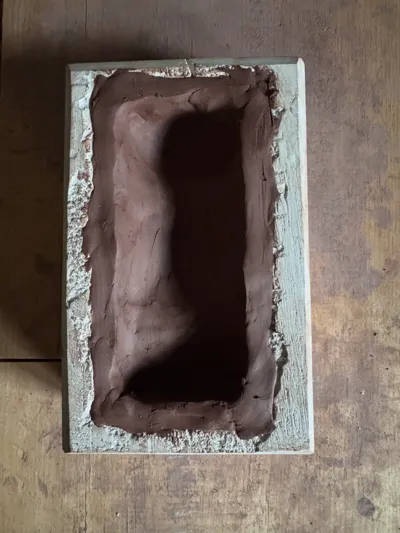
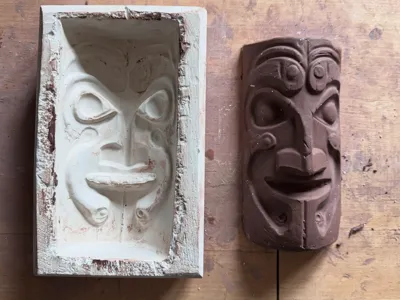
- I used plaster of paris for the mold.
- Instead of slip casting, i just pressed the clay into the mold and let it dry for about an hour before trying to get it to release by tapping the back. If you aren't familiar with the process, the plaster absorbs water from the clay - in theory making it easier to release the casting.
- Stay tuned for the firing photos.
License

This user content is licensed under a
Creative Commons Public Domain


Comment & Rating (25)