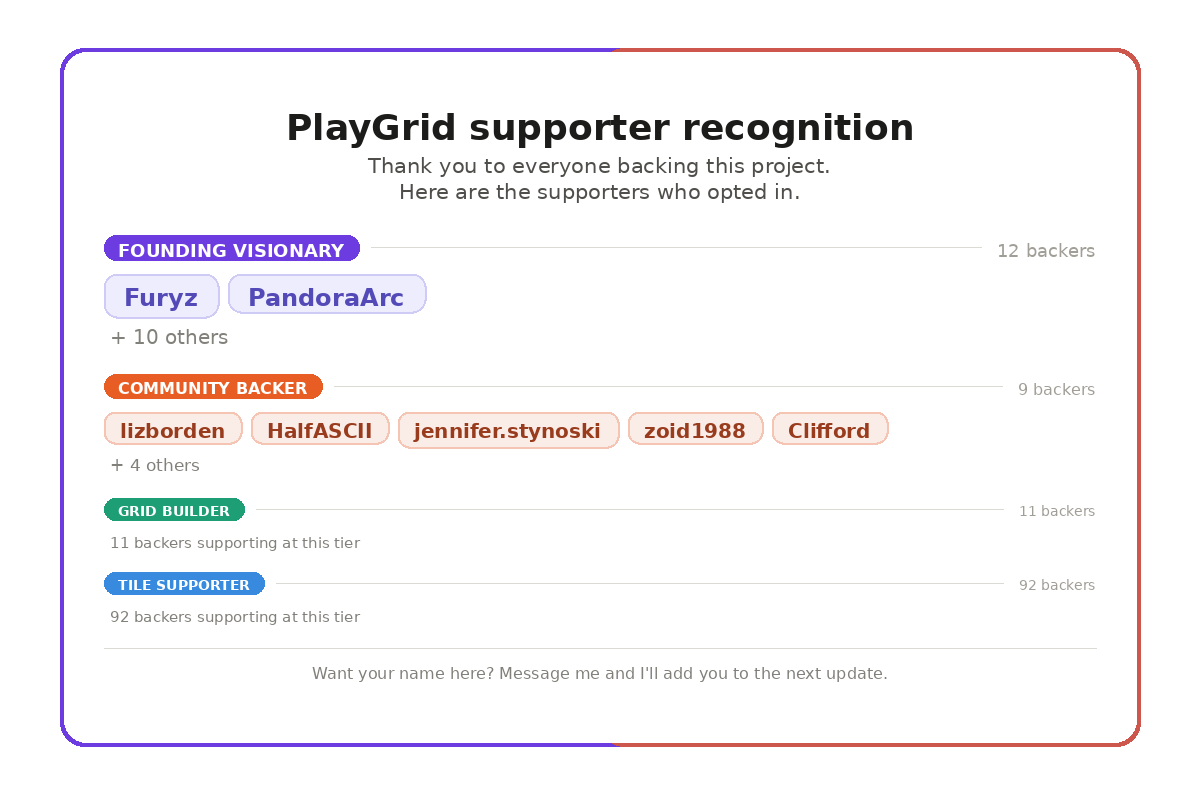
We’re 10 days into the PlayGrid crowdfunding campaign, and the response has been incredibly encouraging. The kind words, thoughtful messages, and creative encouragement from backers have energized us more than we expected. Several of our top supporters have already shared ideas for future waves and new directions the system could take, which is exactly what we hoped would happen. When people start imagining what they could build on top of the grid, it shifts from being just a board to being a platform.
One message in particular stood out. A supporter shared that a young aspiring game designer in their family had already created a 10x10 grid game on paper. They backed PlayGrid because they saw it as a way to help turn that idea into something tangible and expandable. That story hit home for us. This project is not just about releasing finished games. It is about giving people a foundation they can build on, modify, and evolve over time.
If you haven't checked out the project yet, you can learn more about it here: https://makerworld.com/en/crowdfunding/194-playgrid-modular-board-game-experience
We’re deeply thankful for the early momentum. We have our eyes set on the 10k milestone, which allows us to accelerate the next wave of games and expand the system further. No pressure, just progress. We are building carefully, refining constantly, and excited to keep growing this alongside the community.
Meet the Designers Behind The Campaign
I was really close to launching PlayGrid a few months ago, but after some deep reflection I realized that it was missing something, collaboration. That's when we reached out to some of our favorite designers to see if they wanted to be a part of what we were building.
There's a really good chance you've seen many of these designers around on MakerWorld, but I wanted to take a moment to say a few words on why I think their design skills are awesome.
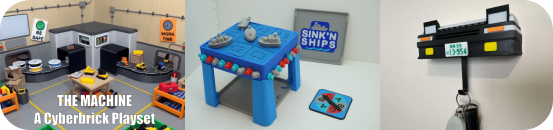
@JaayJeee brings the playful side of making to the table with creative concepts that feel approachable and fun right away. Whether it’s the clever details in his Cyberbrick factory or the playfulness in the Sink’n Ships or fidget models, his designs don’t take themselves too seriously while still being executed at a top level. That’s a big part of the PlayGrid spirit.
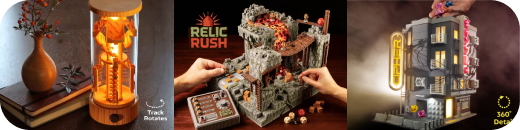
@MaKim’s work often feels like a complete world, not just a single model. Projects like Relic Rush and his 360 marble run show how much thought he puts into how parts interact and how a model comes together as a whole. That systems-level thinking translates really naturally into PlayGrid-style games.
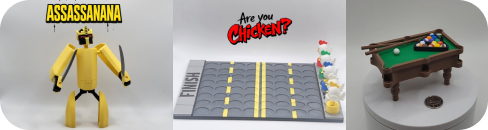
What stands out about @Dr_Operator is how much character his designs have. From his incredibly fun Docobots to innovative games like Are You Chicken? His models feel expressive, funny, and a little chaotic in the best way possible. They’re the kind of builds that immediately draw people into the hobby of 3D printing.
Prototyping the Grid
We’ve used grid systems before, but they were always designed around a single game. Projects like Tumblin Tactics and Wrench Racers had custom bases tailored specifically to their mechanics. They worked well for what they were built to do, but they were not designed to become a shared platform. With PlayGrid, the goal shifted. We wanted one foundation that could support many different games, not just one idea at a time.
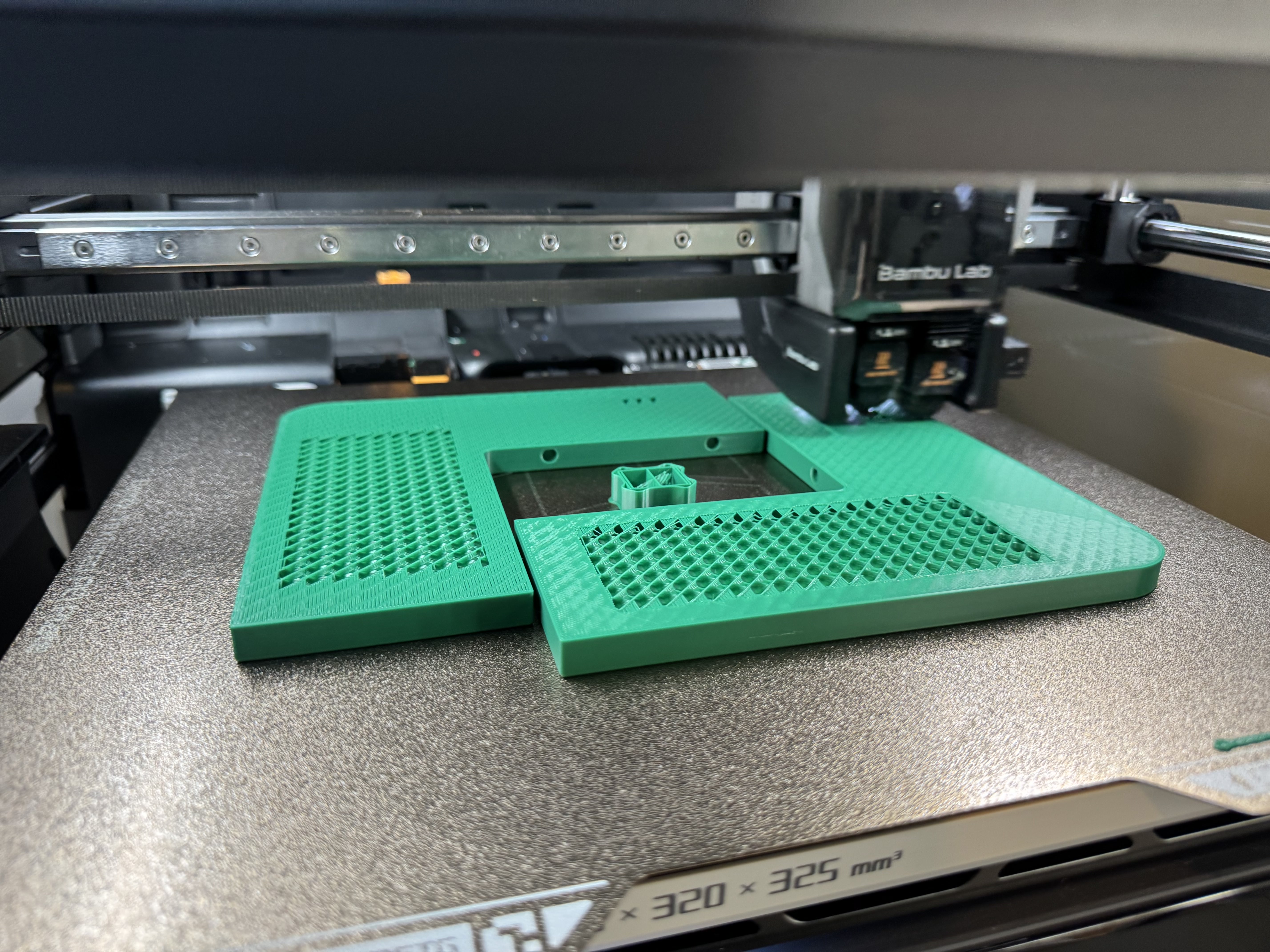
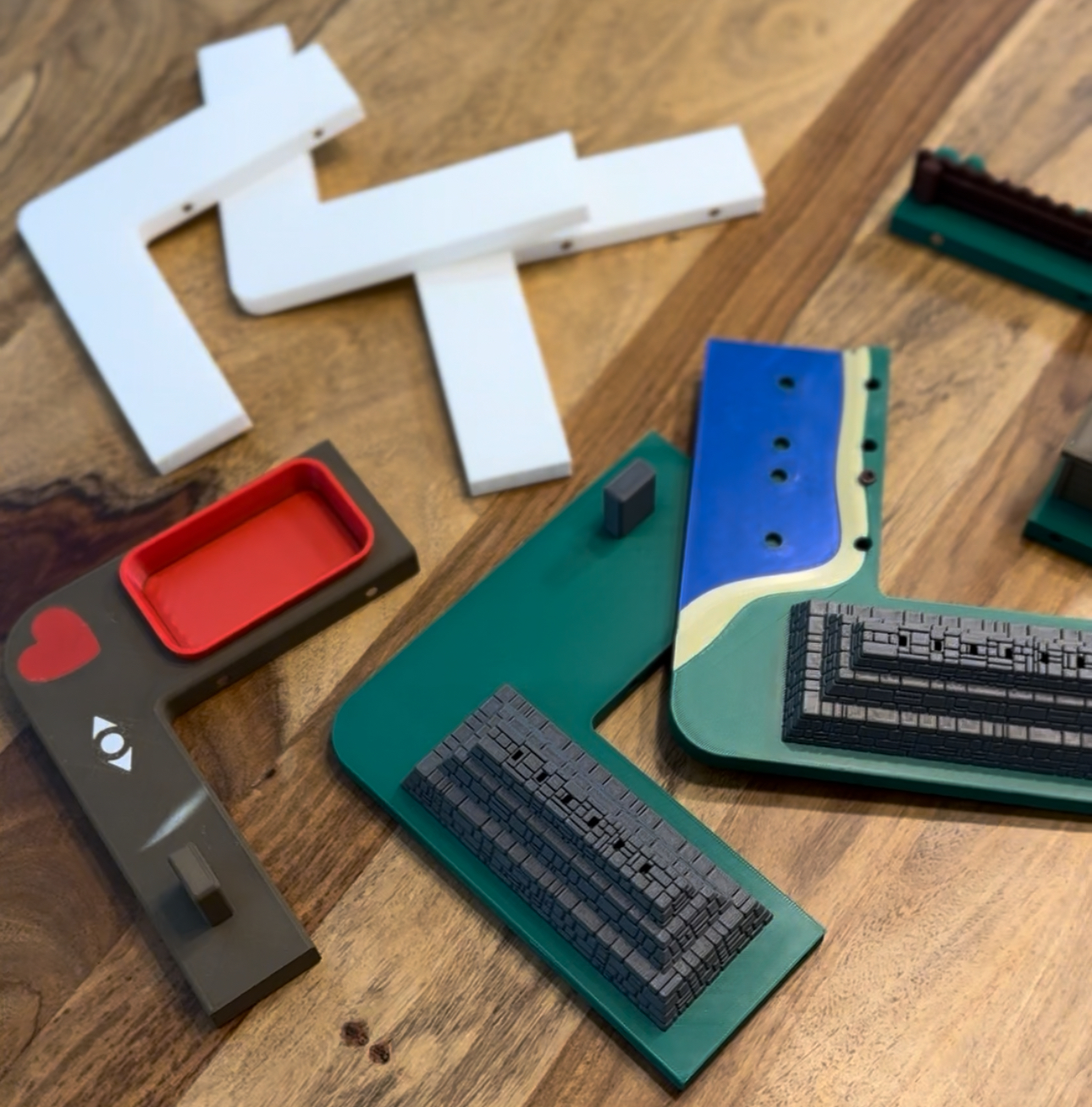
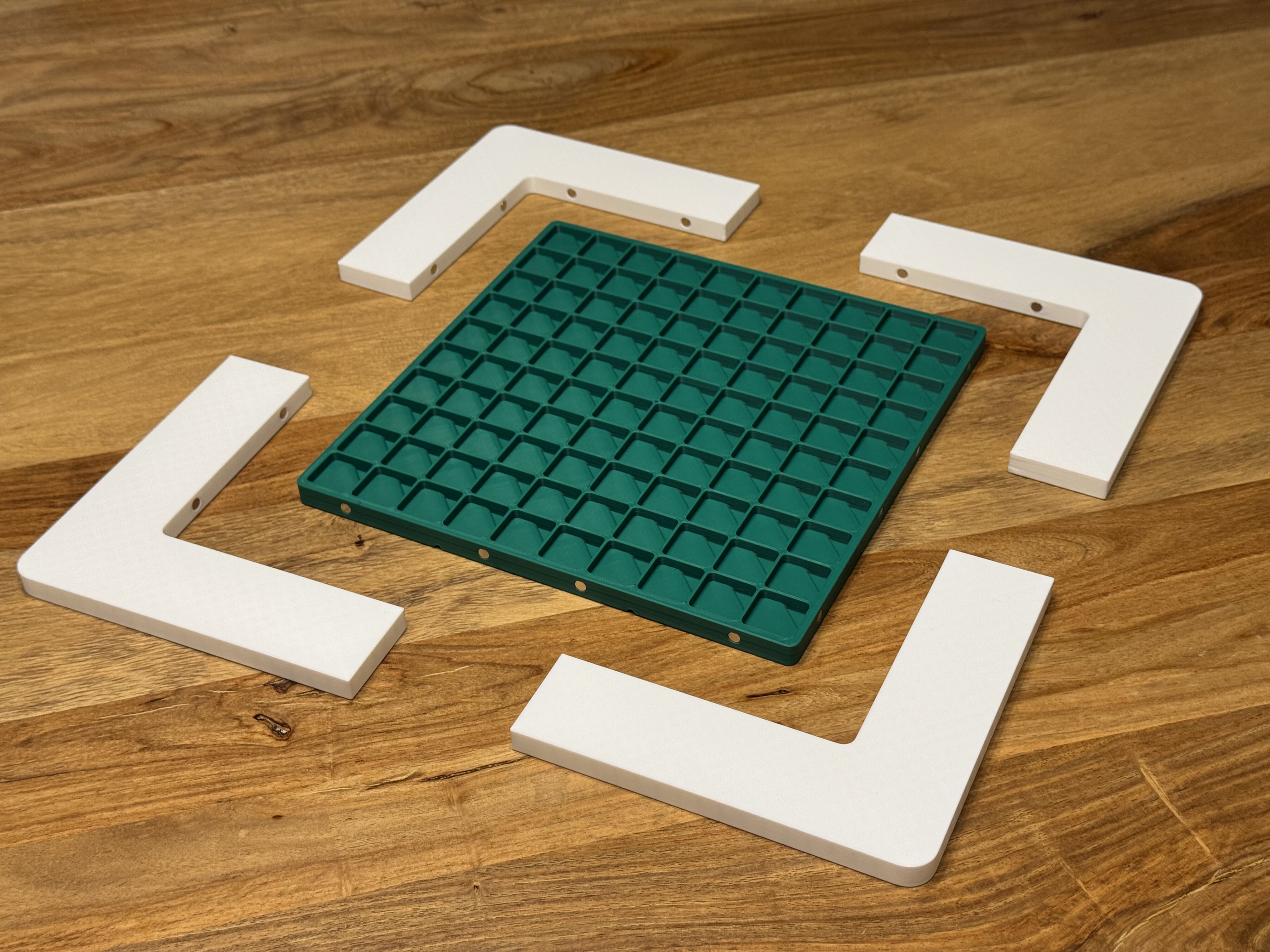
From the beginning, we focused on maximizing compatibility across Bambu Lab X, A, H and P series printers so the largest number of makers could participate. The 10x10 layout balances playable space with practical print size. We iterated on wall thicknesses to maintain strength without adding unnecessary weight or filament cost. Magnets were selected to hold modules securely during play while minimizing hardware usage so people can print and play without feeling like they are assembling a kit full of extra parts. Every tolerance adjustment was about keeping the system reliable while lowering friction.
Because we enjoy building lightweight companion apps for some of our models, we also wanted the grid to support optional digital elements. In a few games, traditional card decks can be handled through a simple web app, allowing for dynamic effects or hidden information. The key was making sure the app enhances the experience without distracting from the physical interaction. The grid remains the center of the table. The digital layer, when used, stays in the background and supports the gameplay rather than replacing it.
Thank you supporters!!
If you've already supported us, just message us and we'll add you to the list as we want to ensure to have permission for the named recognition. Cheers!