
Dispersive prism - Educational Model - Spectrum

Print Profile(2)


Description
Boost Me (for free)
💡 If you like my models, give me a boost. I'm fighting my way through here against fidget spinners and cable holders. Every boost brings me closer to the light. Thank you. ❤️
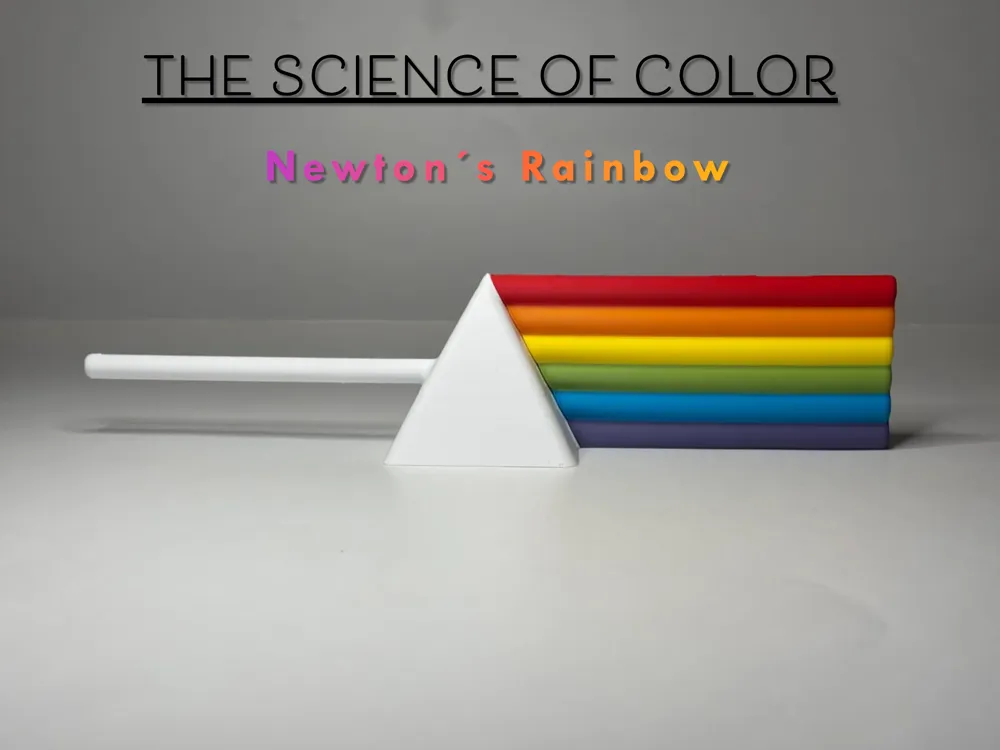
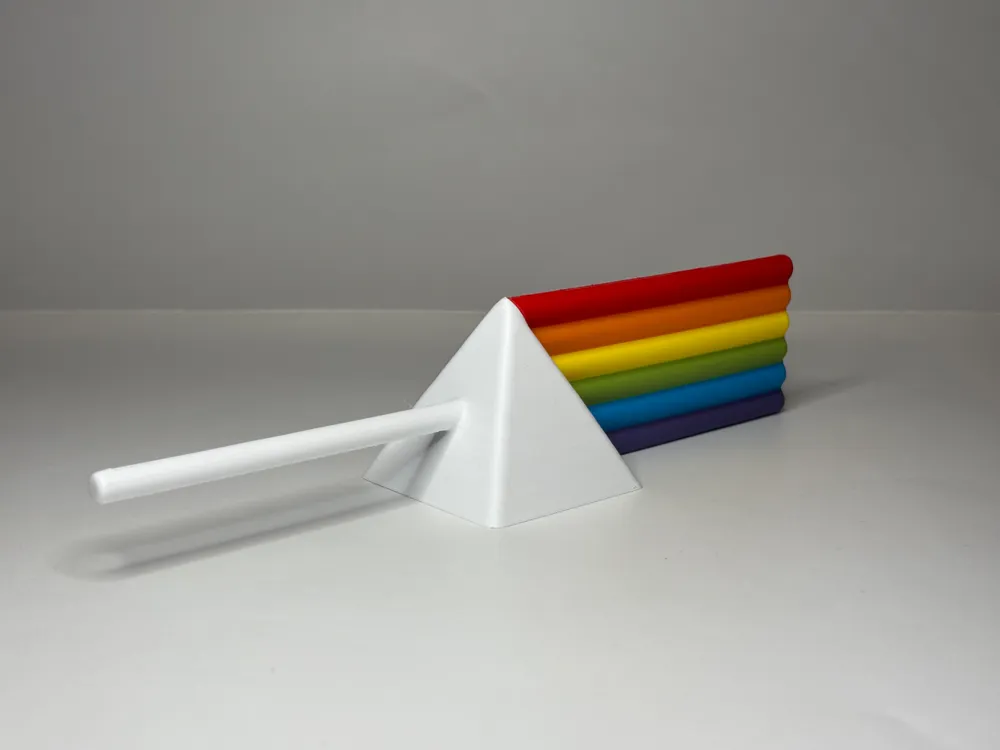
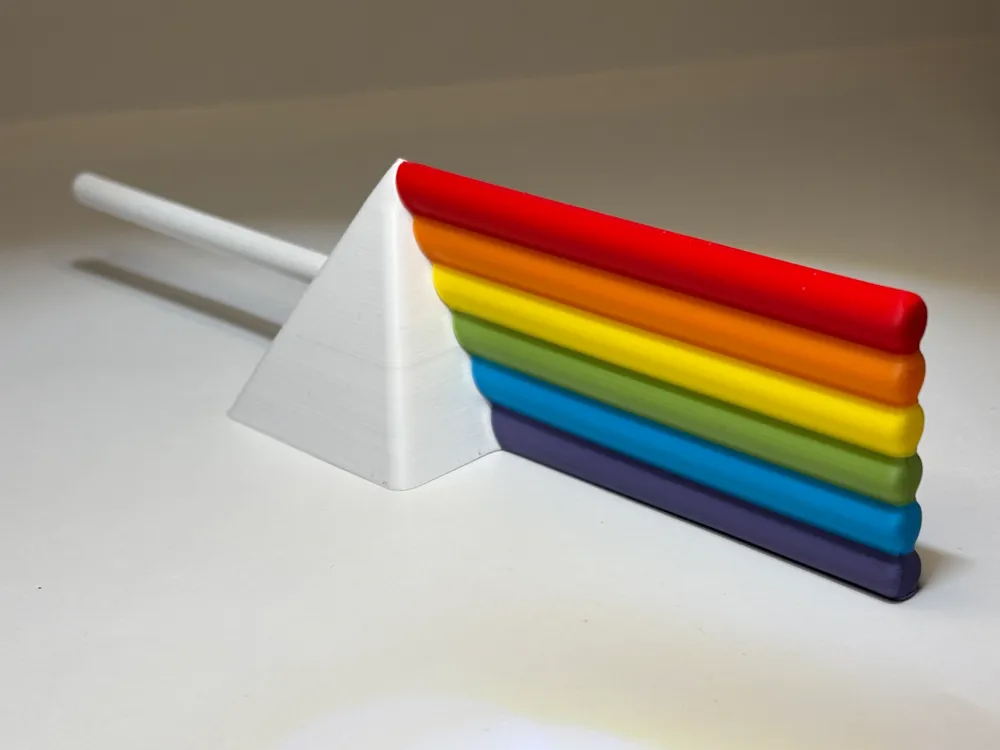
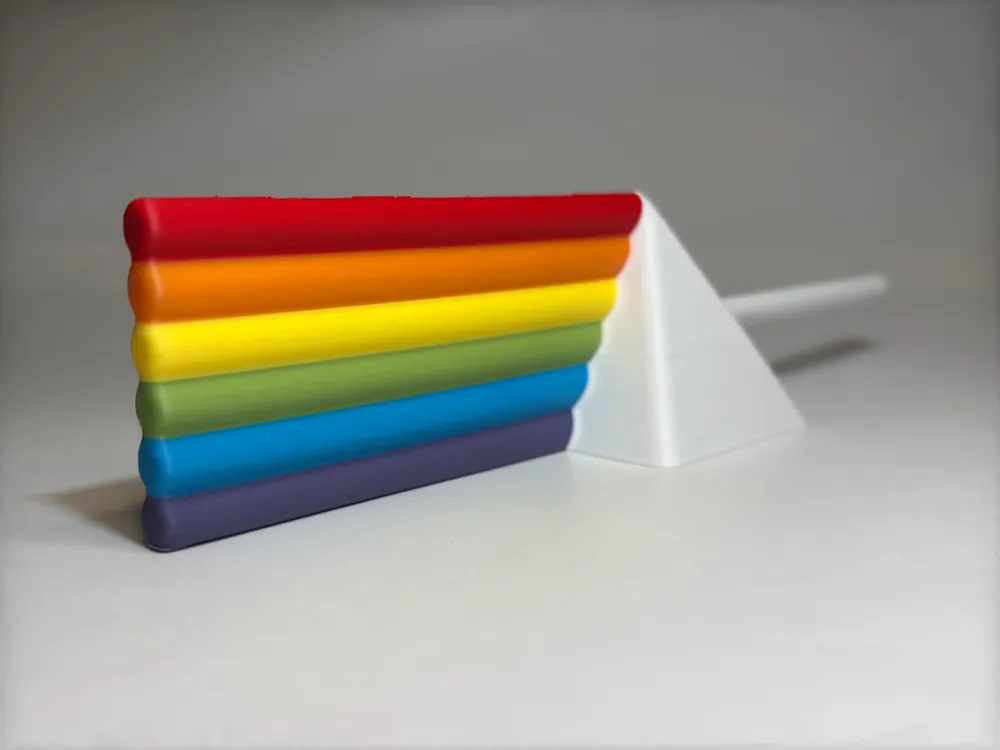
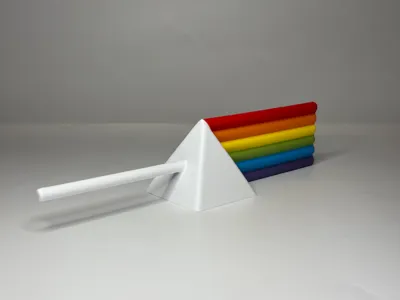
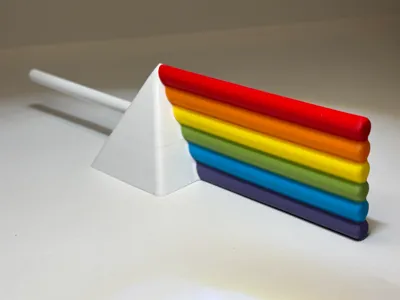
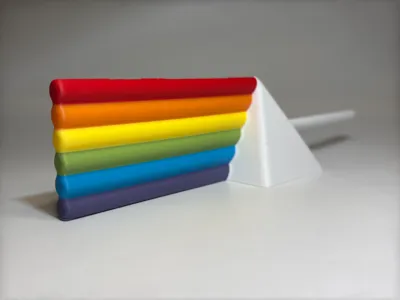
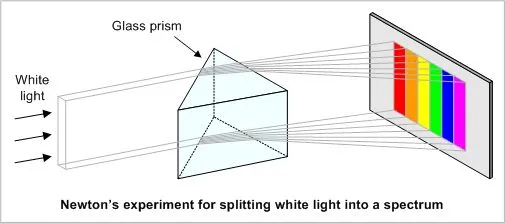
I have designed a refractive prism to explain the spectral colours of light in an understandable way.
How a prism works:
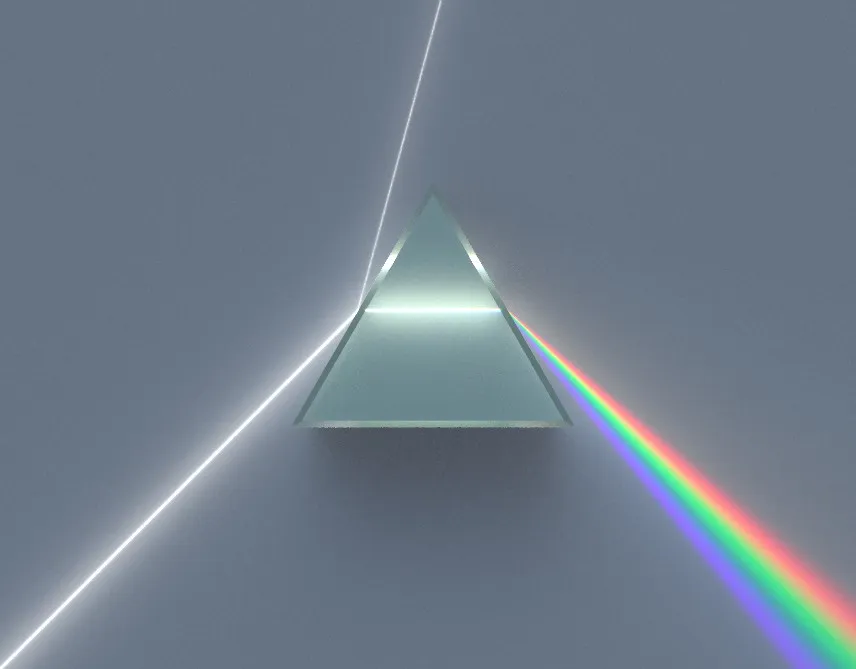
A prism is an optical element that can direct light rays in different directions through refraction.
The main physical principles behind how a prism works are refraction and dispersion:
Refraction: when light passes from one medium into another (e.g. from air into glass), its speed is altered, causing the light beam to deflect at the interface. This effect is known as refraction.
Dispersion: Different wavelengths (colours) of light spread out in a medium at different speeds. This results in the individual colours being deflected to different degrees. Short-wave light (e.g. blue and violet) is refracted more strongly than long-wave light (e.g. red).
When white light enters a prism, it is refracted twice at the interfaces between air and glass: when it enters and when it leaves.
The individual spectral colours become visible through dispersion and form the characteristic rainbow symbolised by the model.
- Application: The decomposition of light into its spectral colours is used in science to analyse the light spectrum (spectroscopy). This property is also used in optical devices such as cameras, binoculars and telescopes.
- Special features of the design: The model is visually appealing and is ideal for explaining the physical principle of light decomposition to a wide audience. It combines functionality with aesthetics and can be used as a demonstration object for educational purposes.
Explanations of the printing process with AMS/AMS Lite:
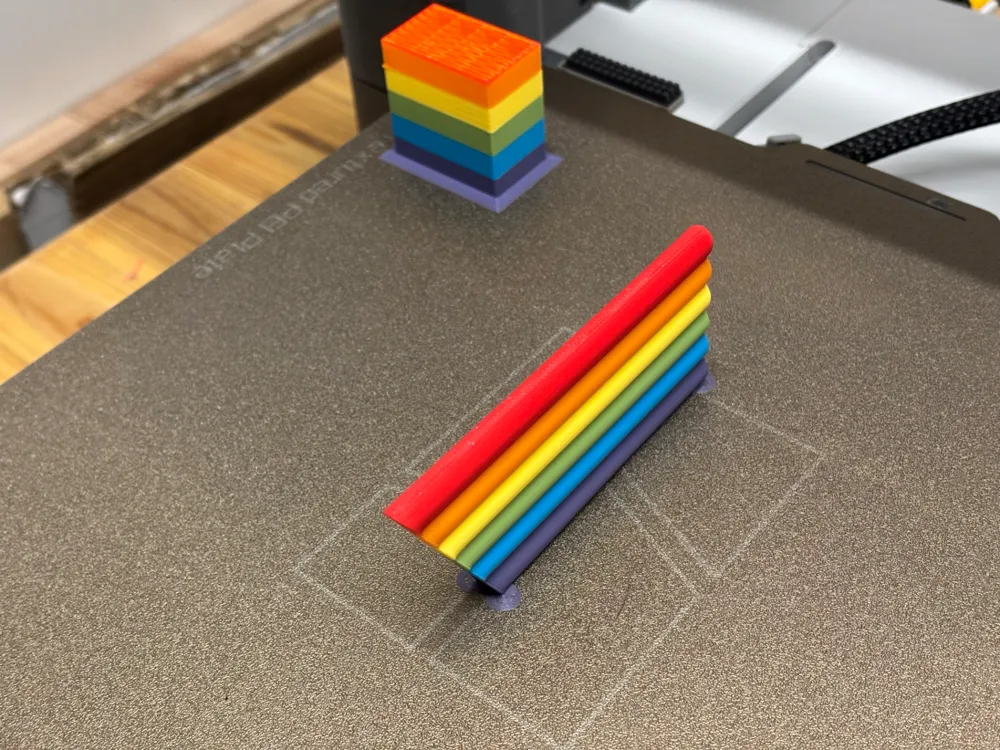
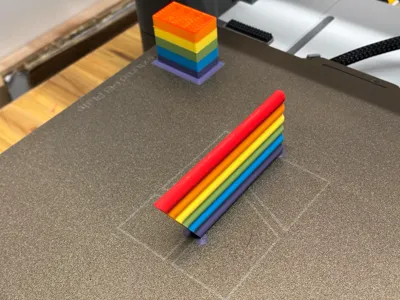
As you can only use 4 colours with the AMS, it is necessary to set a pause after the fourth (yellow) colour in order to load the remaining two colours (orange and red) into the AMS.
For this to work, we have to fill two places twice, sounds complicated but is quite easy.
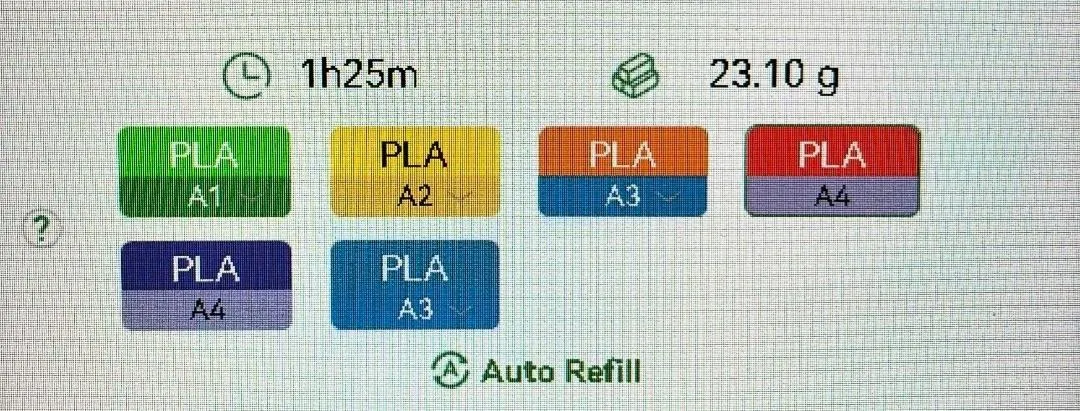
After the fourth (yellow) colour, the pause starts and you change A3 with orange and A4 with red.
IMPORTANT: You cannot change the filament that was used last, so you CANNOT unload yellow during the pause.
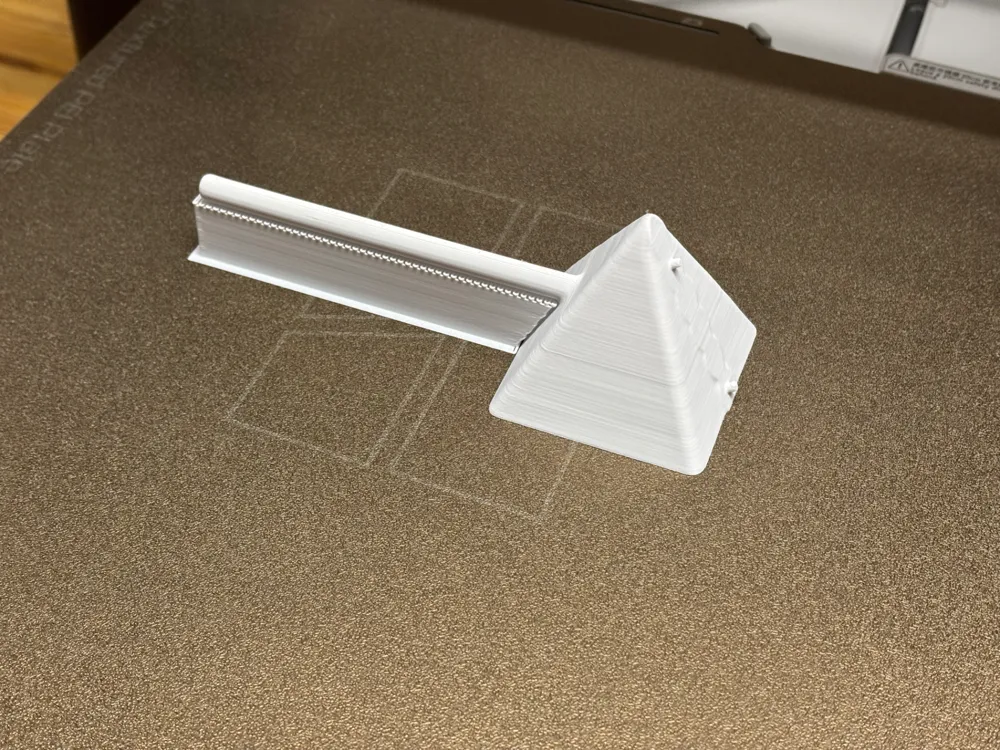
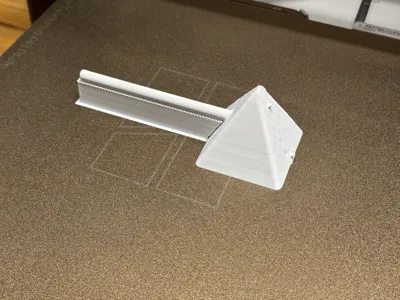
Activate supports for the pyramid, do not use supports for the colours. The two parts are glued together and that's it.
I hope you like it! If you have any questions or problems, please feel free to contact me.
All relevant settings are already in the 3mf. file. For a successful print it is essential that your printing plate is absolutely free of dirt, grease and fingerprints. Follow the cleaning instructions provided by the printer manufacturer.
License

You shall not share, sub-license, sell, rent, host, transfer, or distribute in any way the digital or 3D printed versions of this object, nor any other derivative work of this object in its digital or physical format (including - but not limited to - remixes of this object, and hosting on other digital platforms). The objects may not be used without permission in any way whatsoever in which you charge money, or collect fees.


Comment & Rating (3)