
HUMANS ~ "HAC” Dogs vs Cats vs Varmints : #24
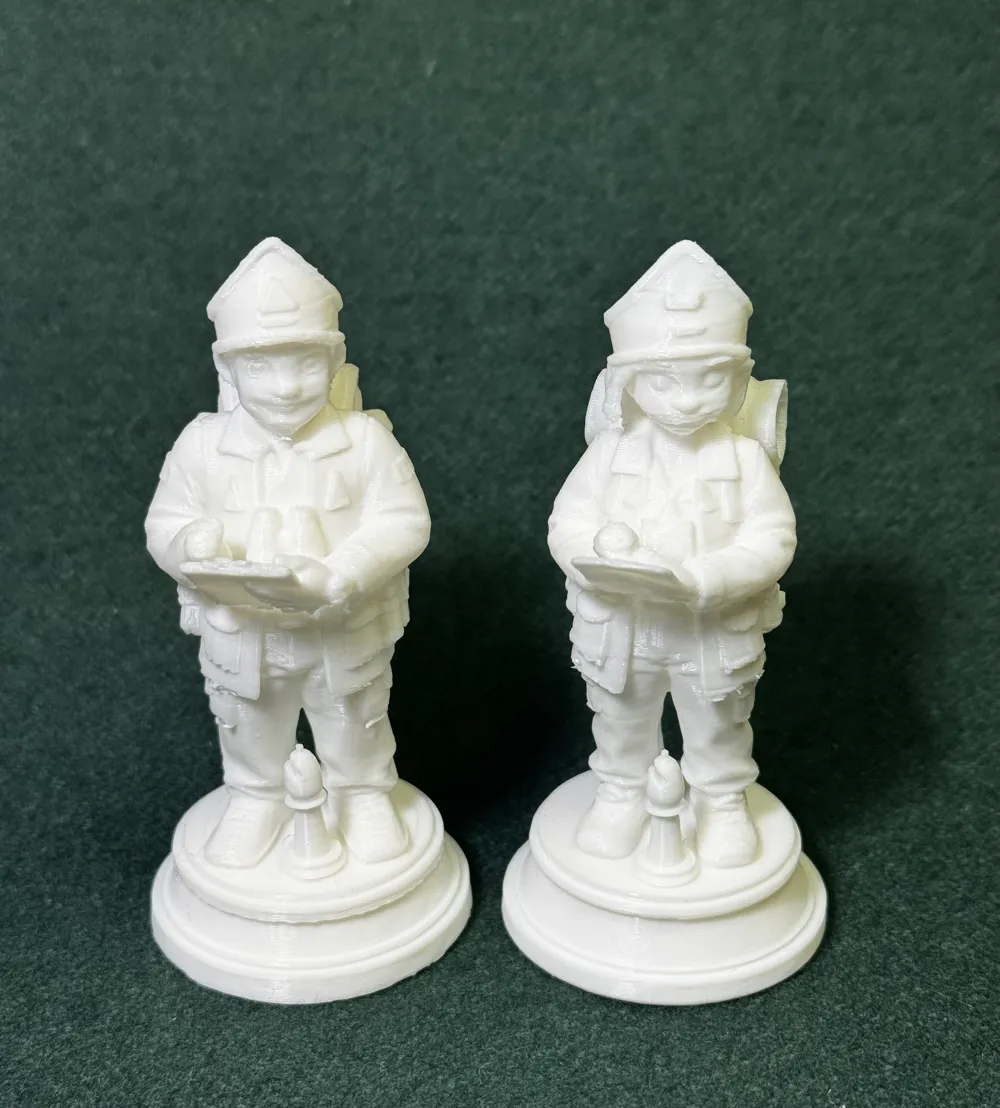
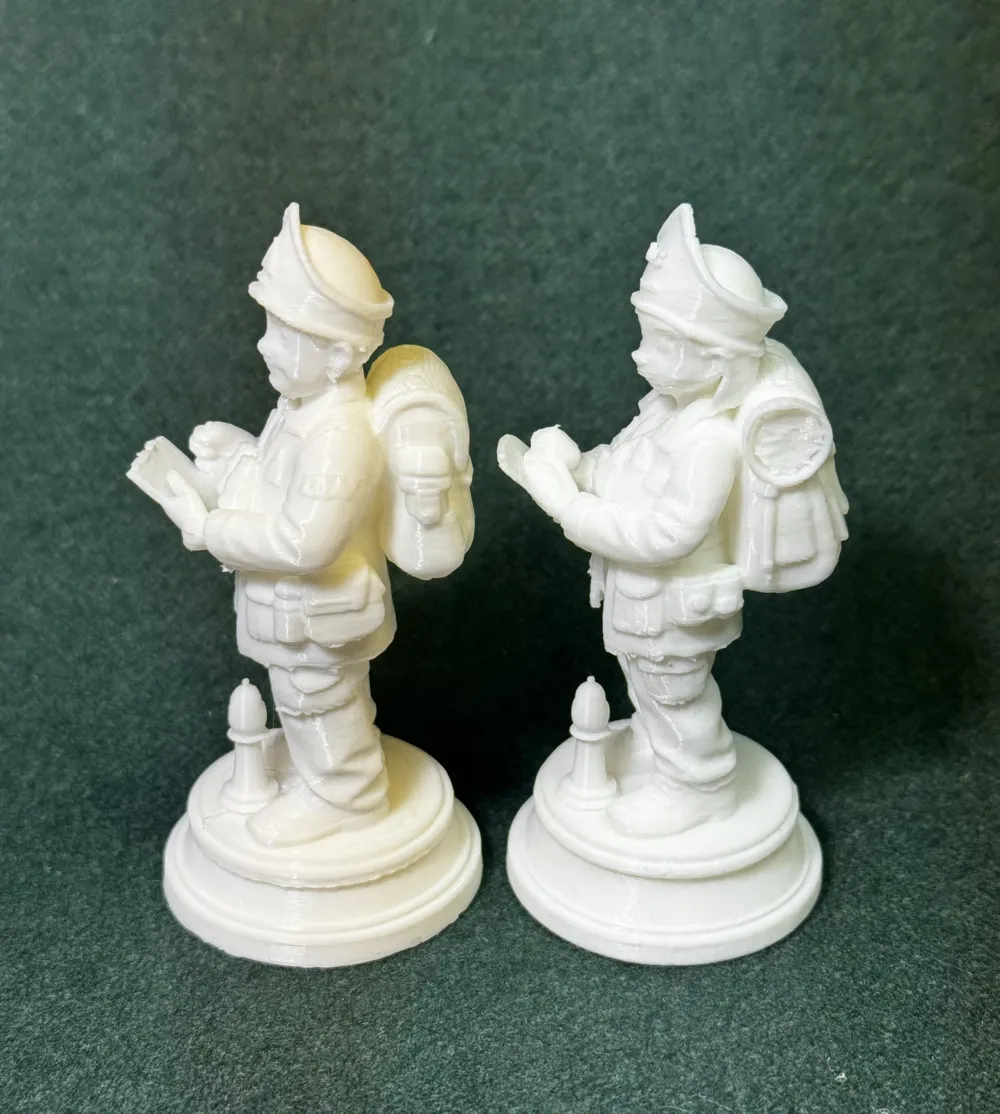
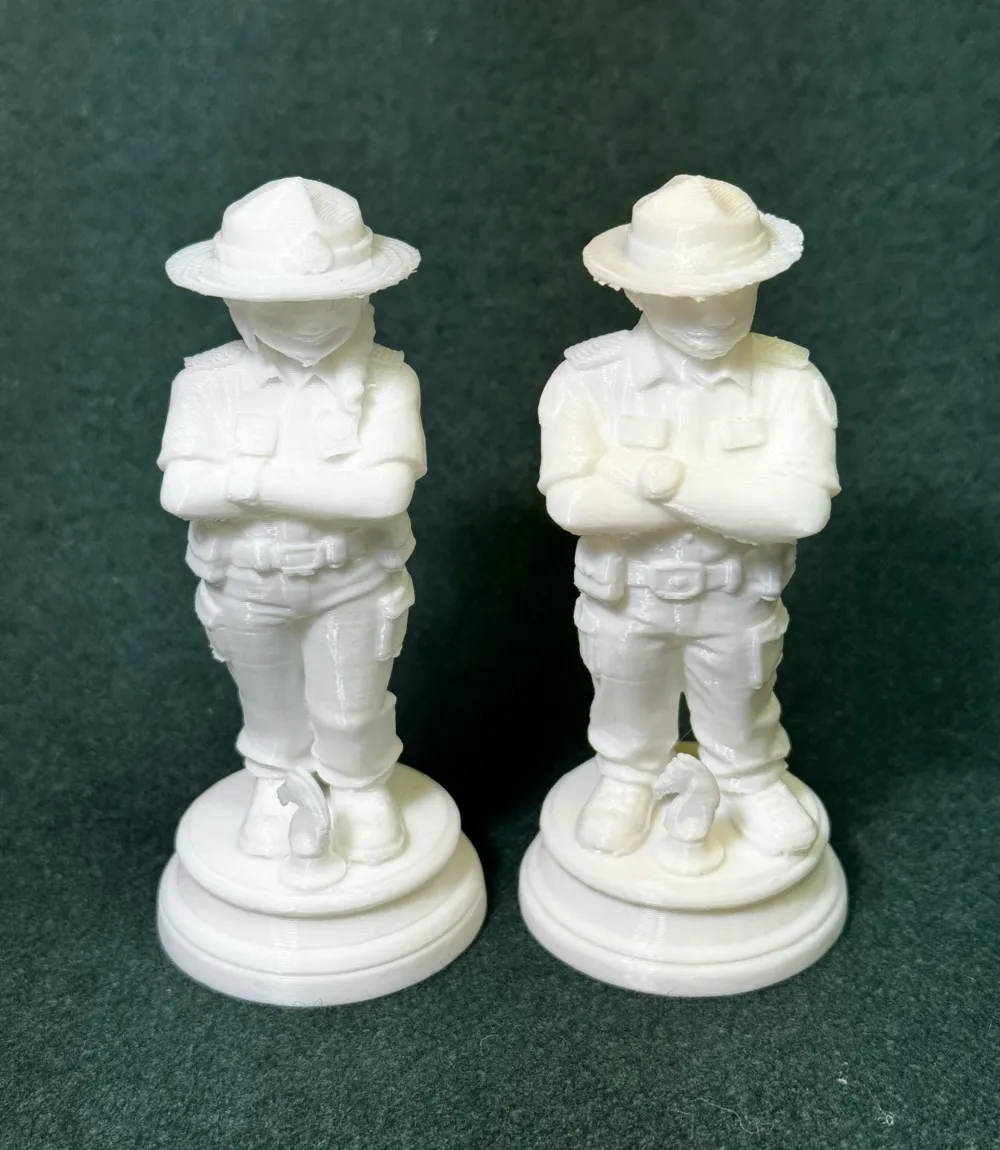
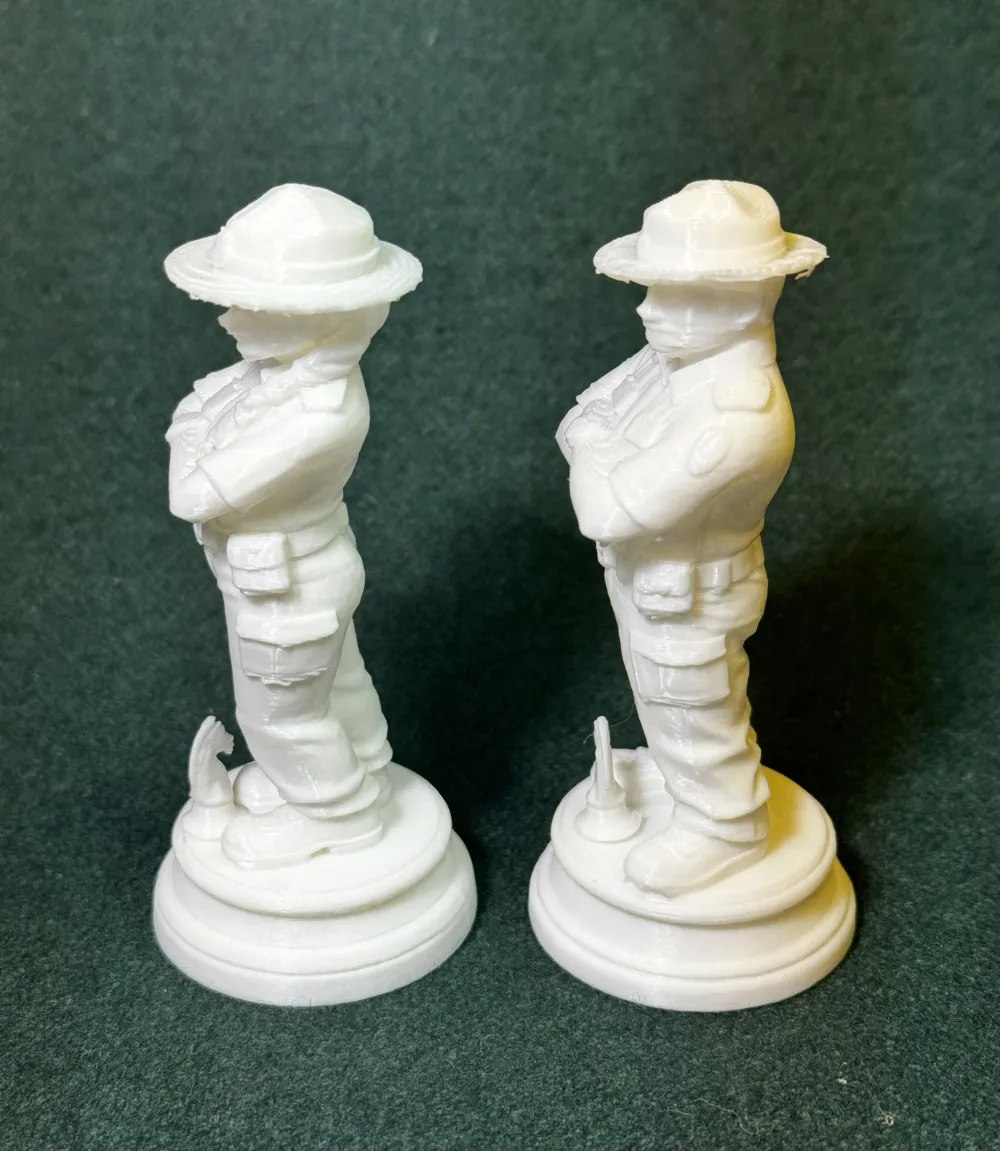
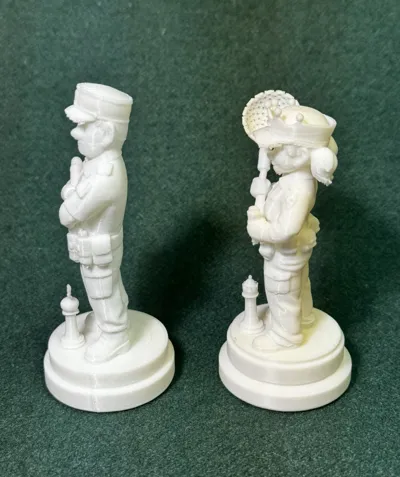
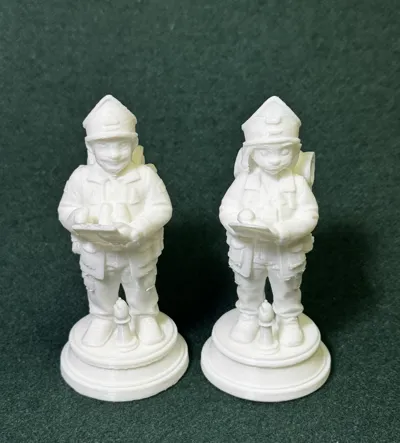
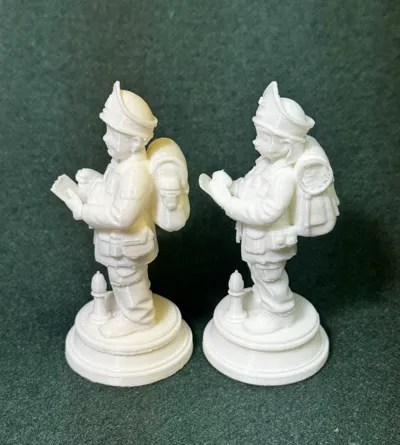
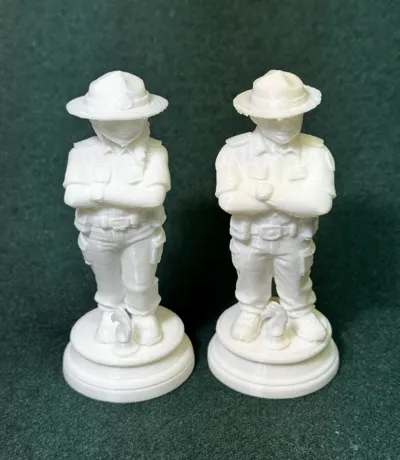
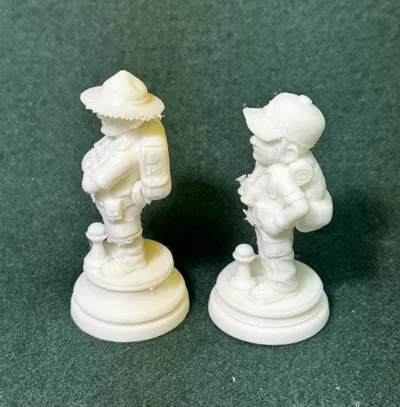
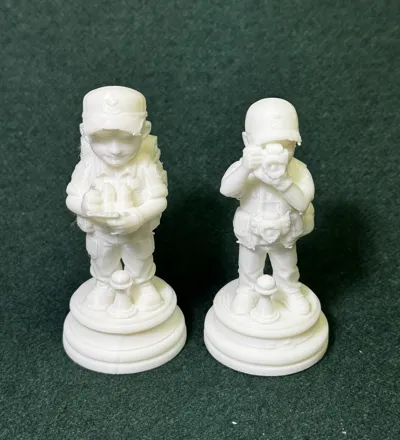
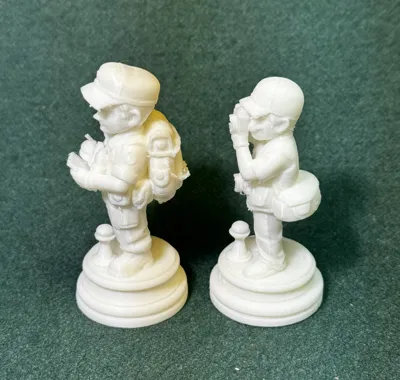
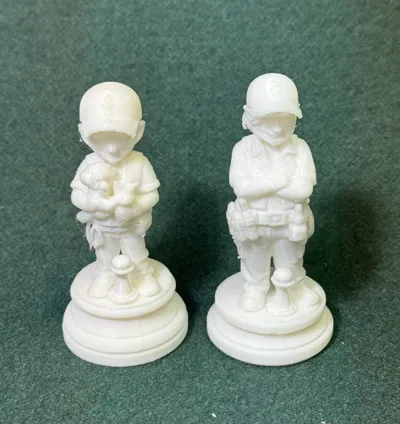
Print Profile(1)
Description
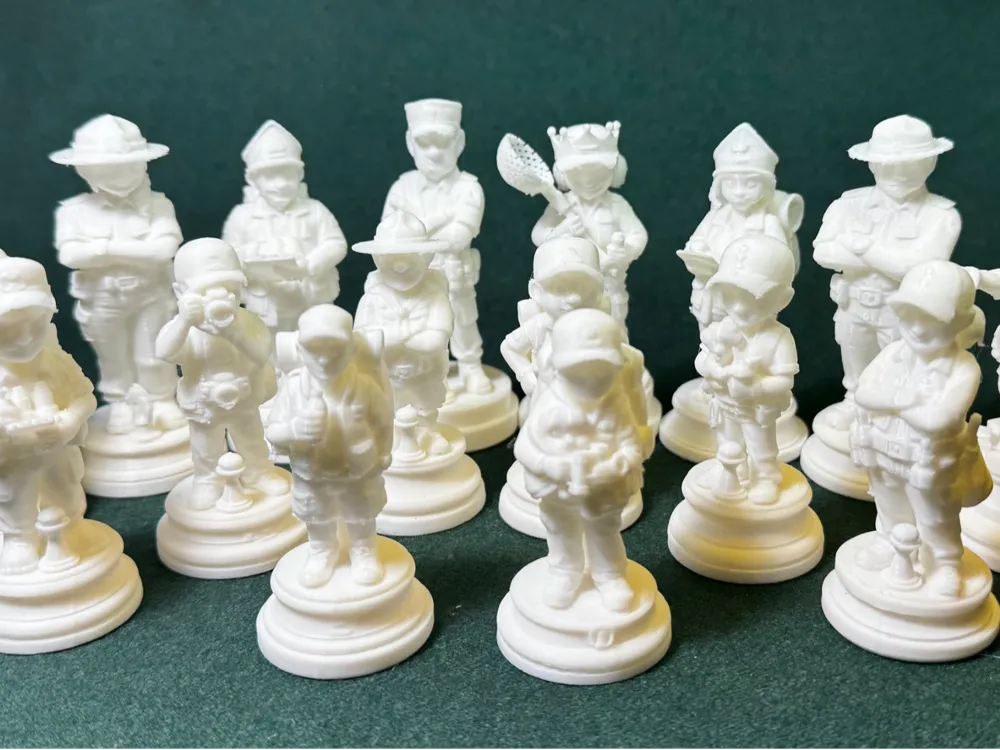
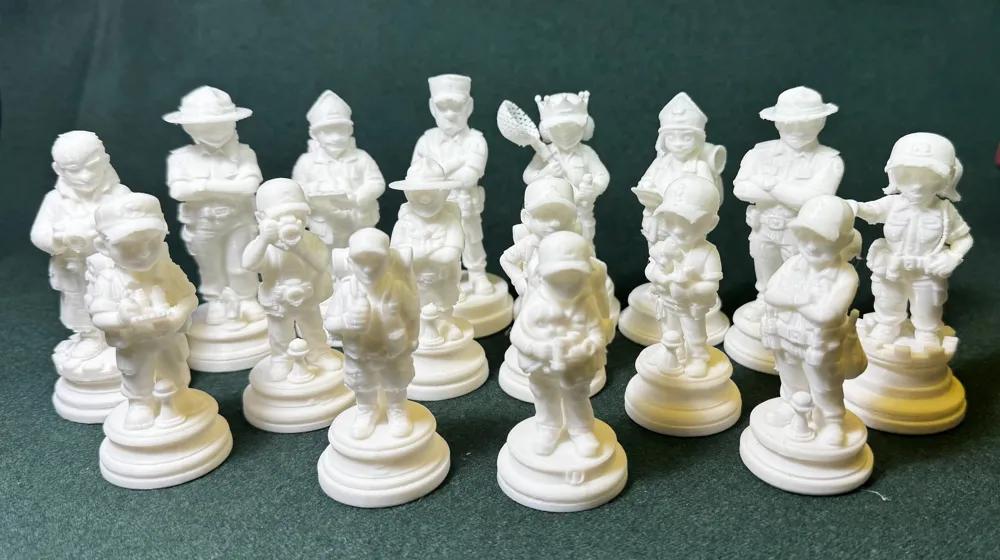
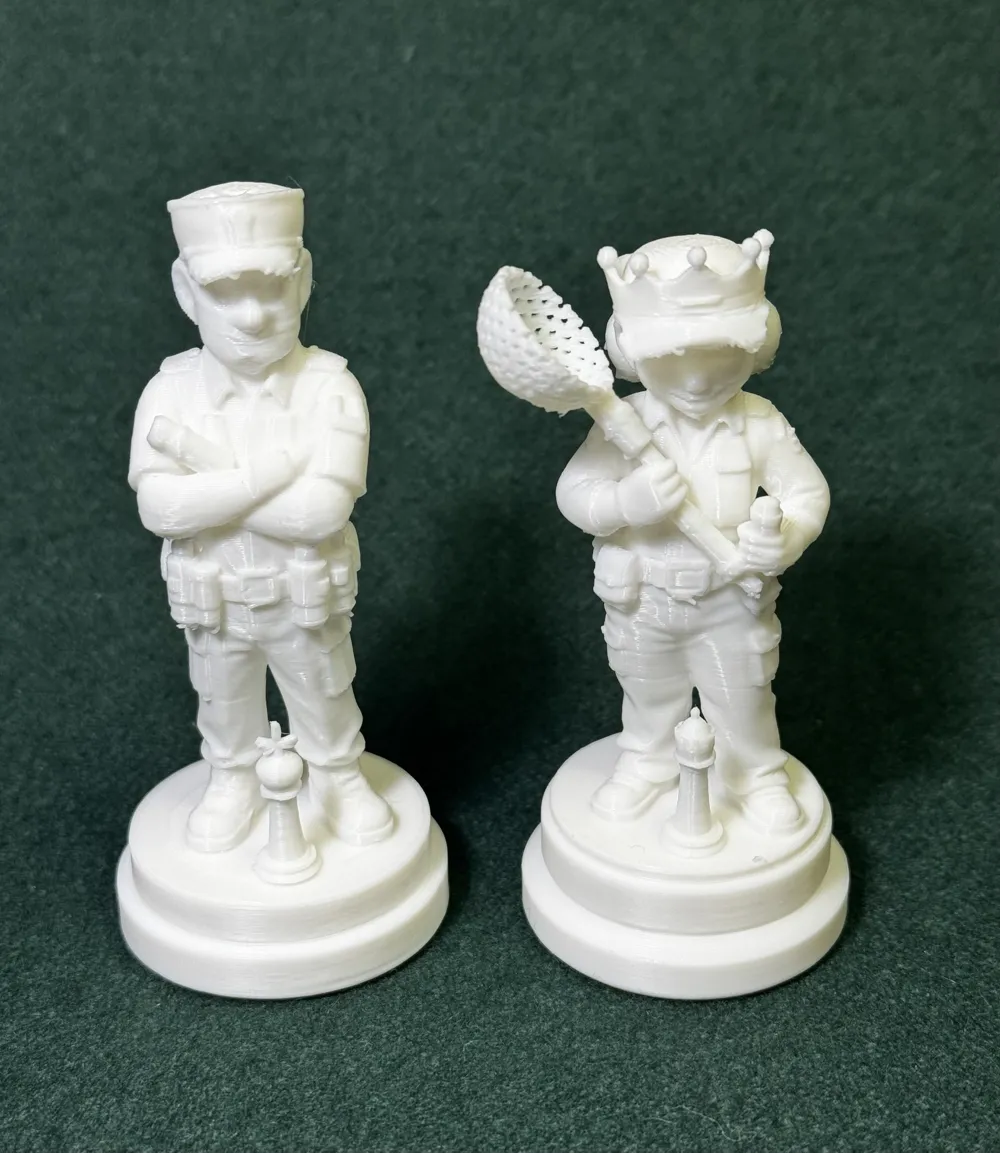
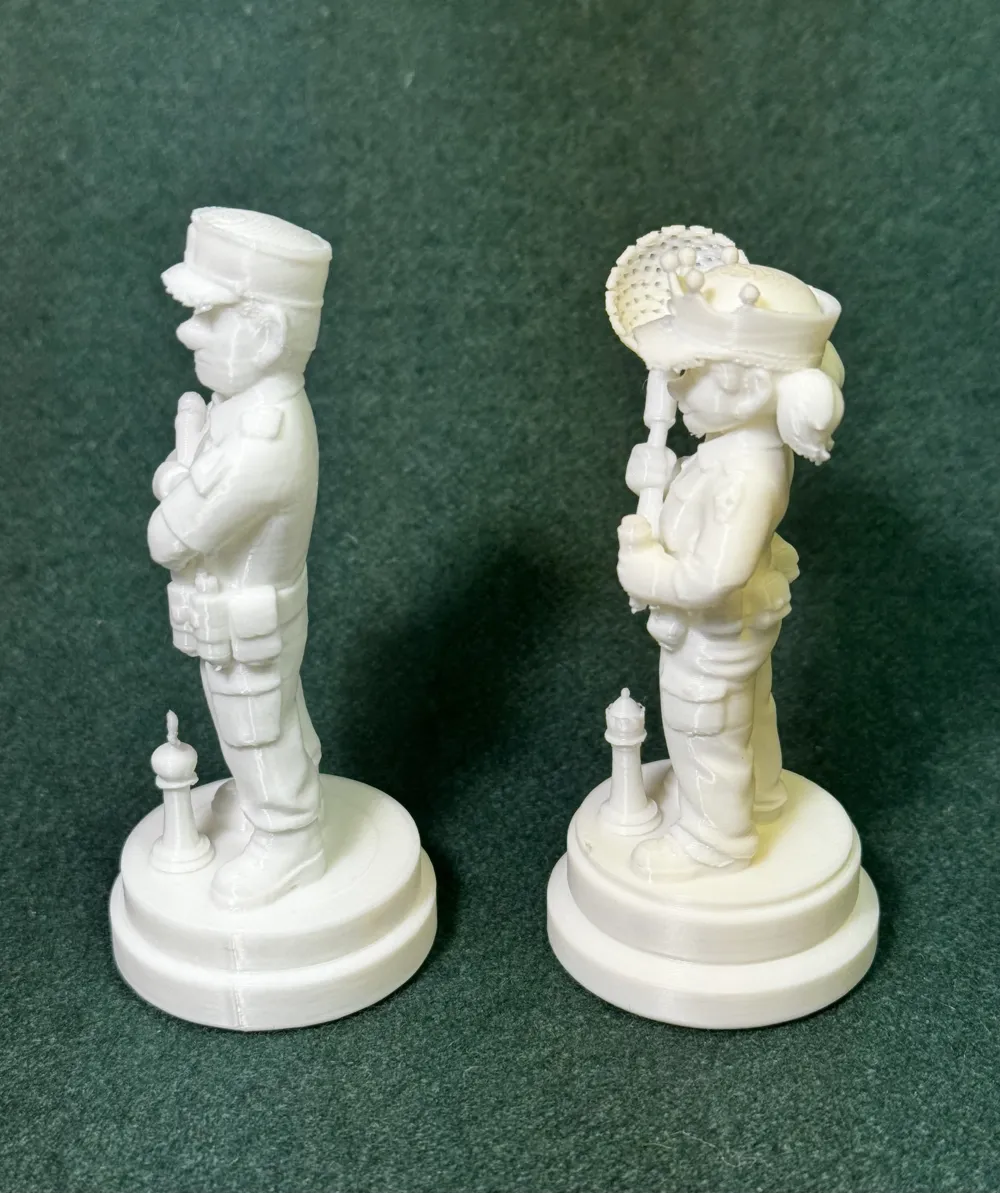
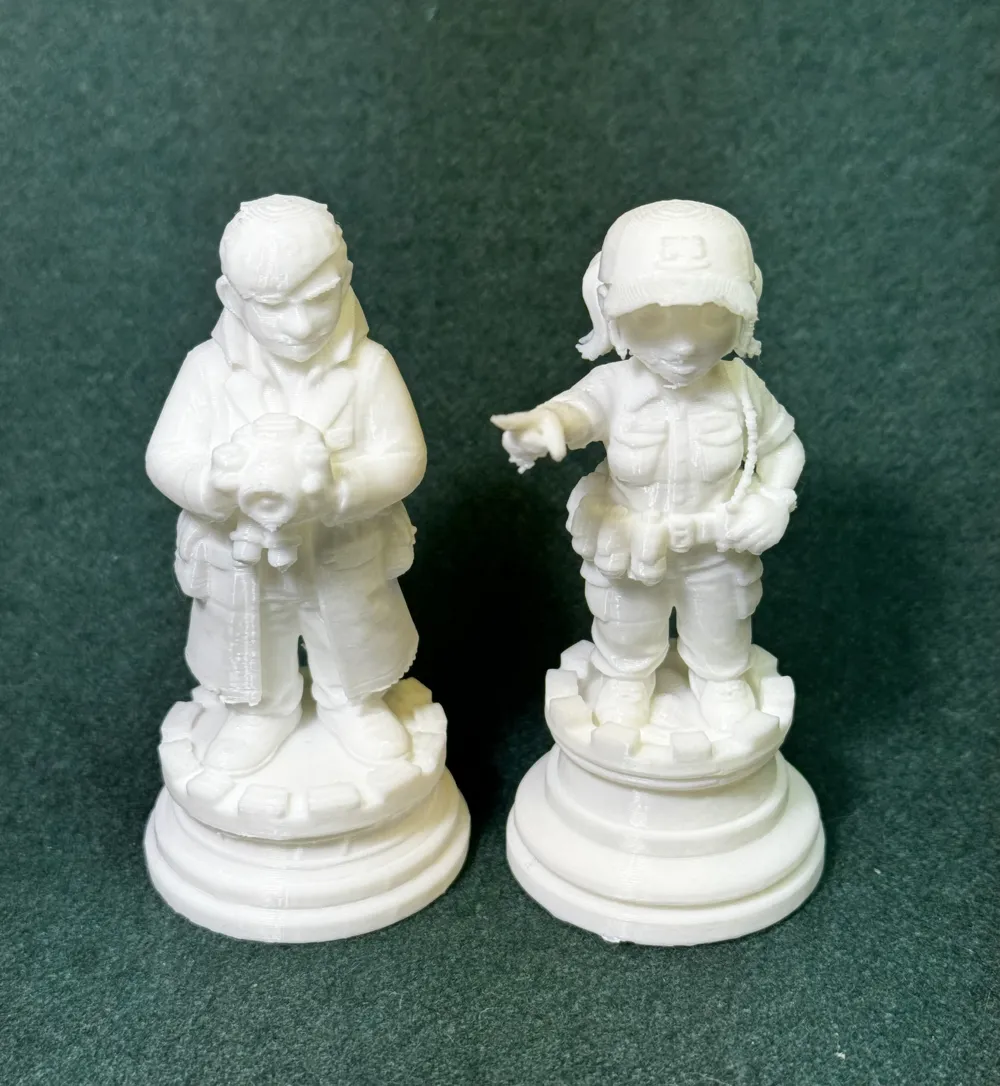
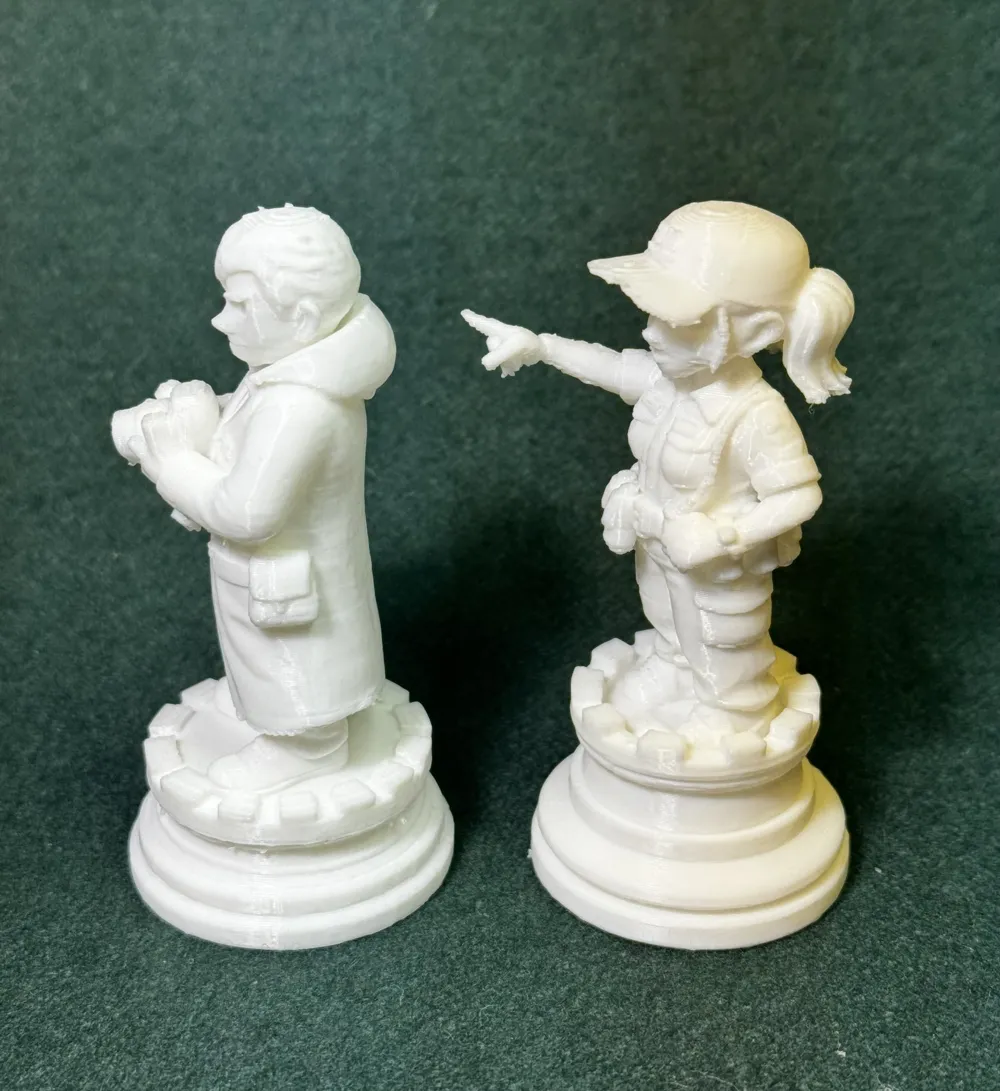
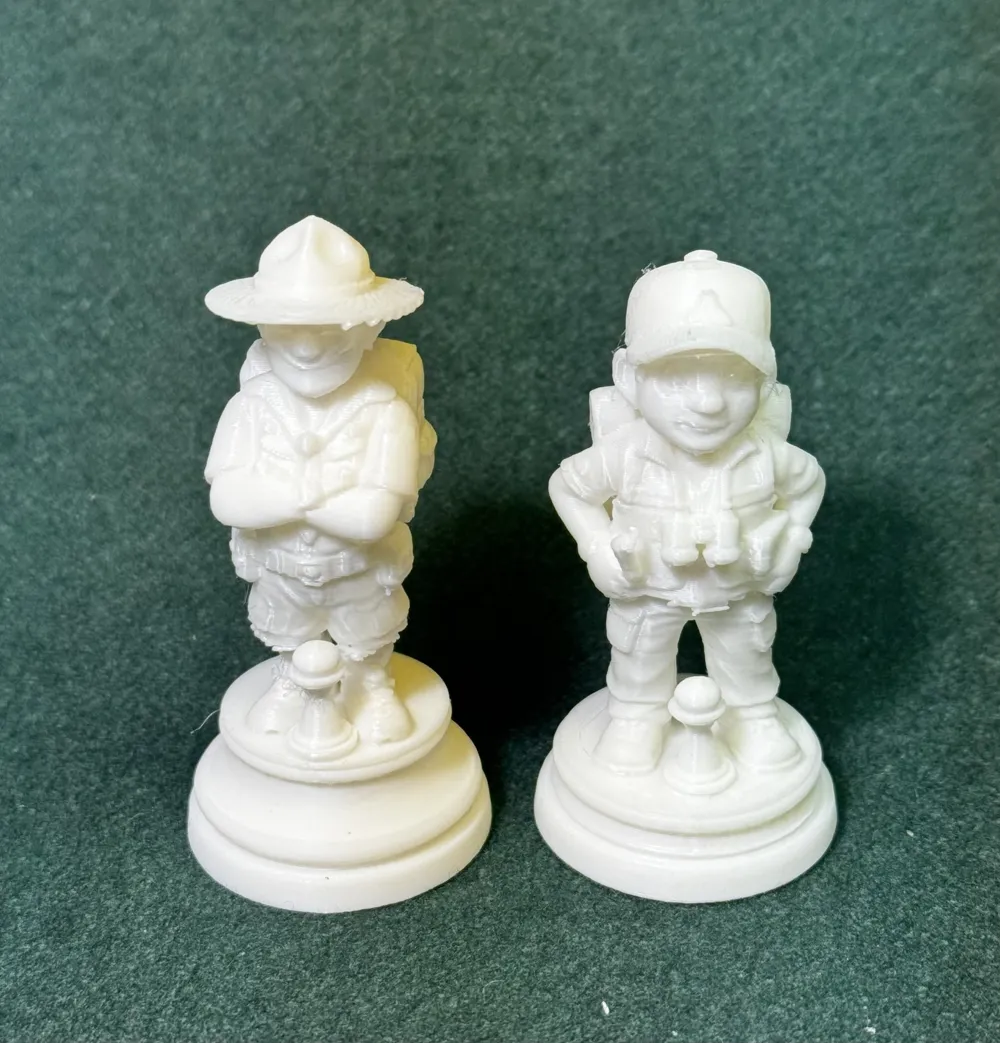
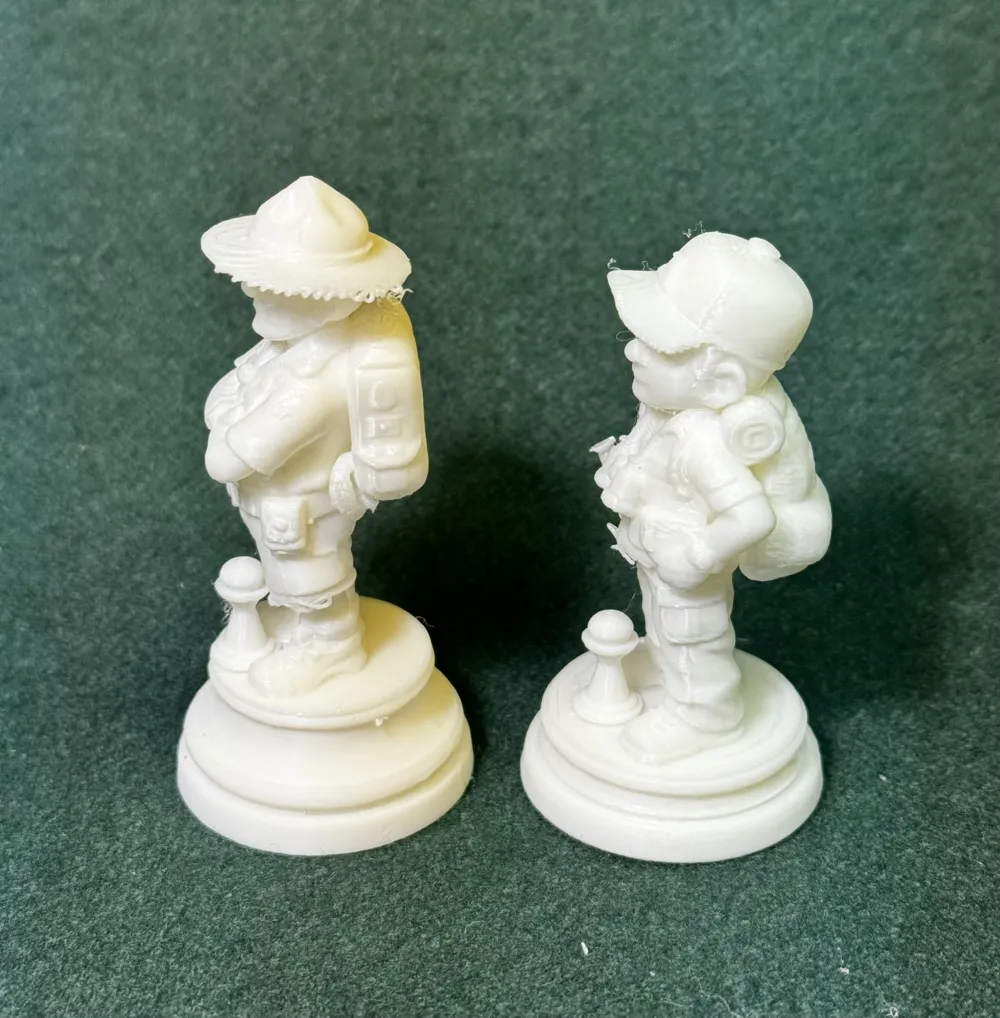
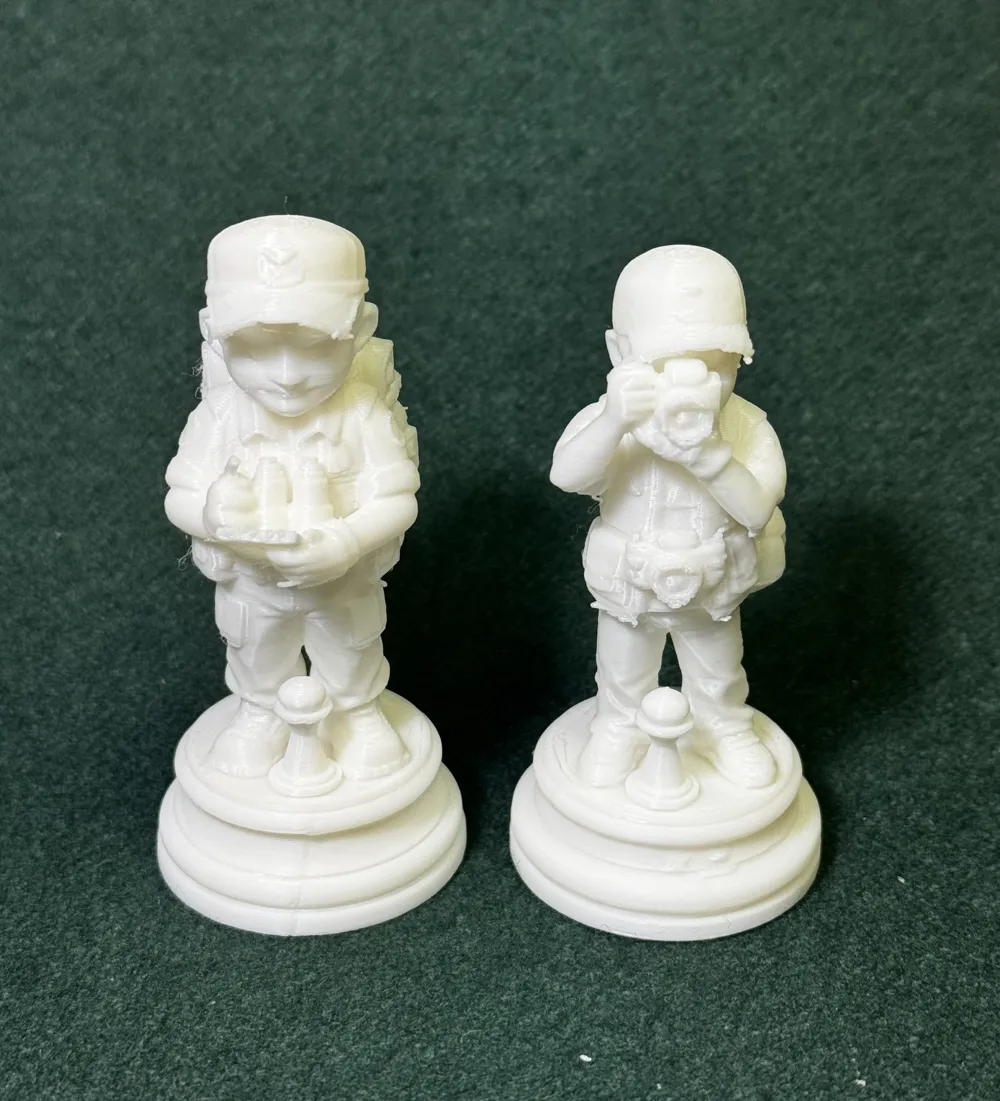
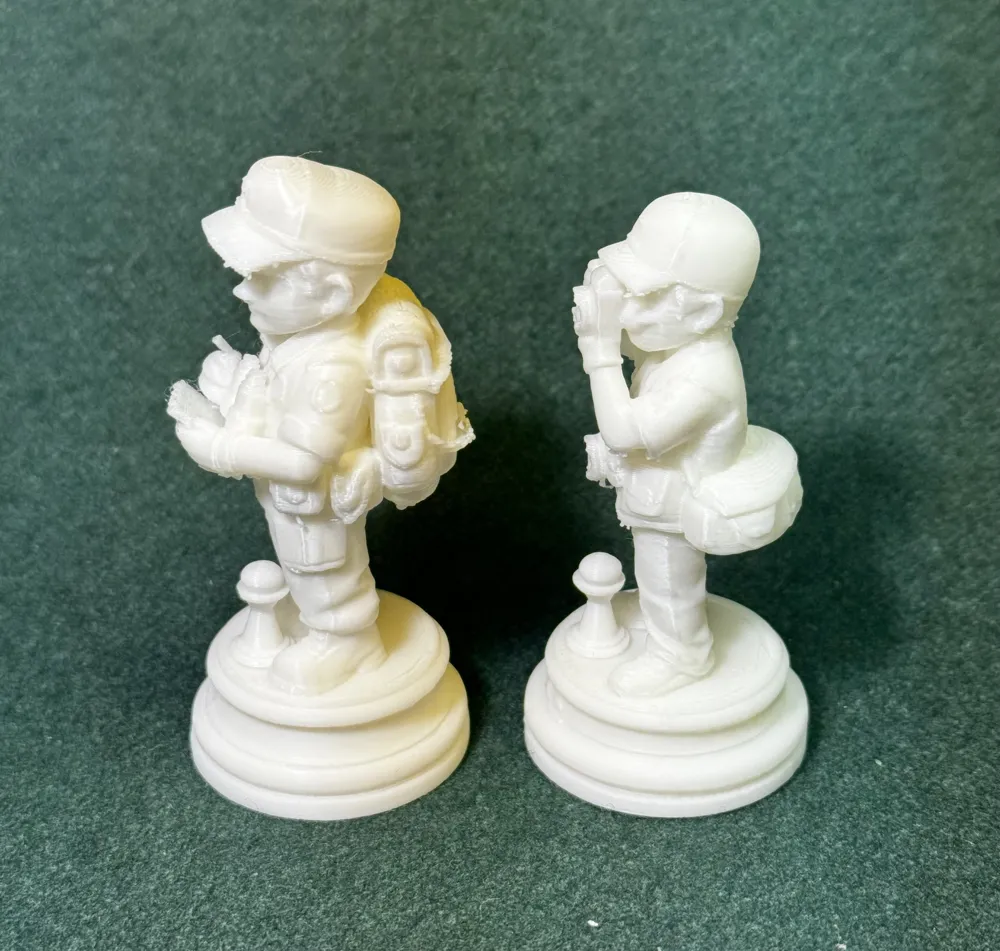
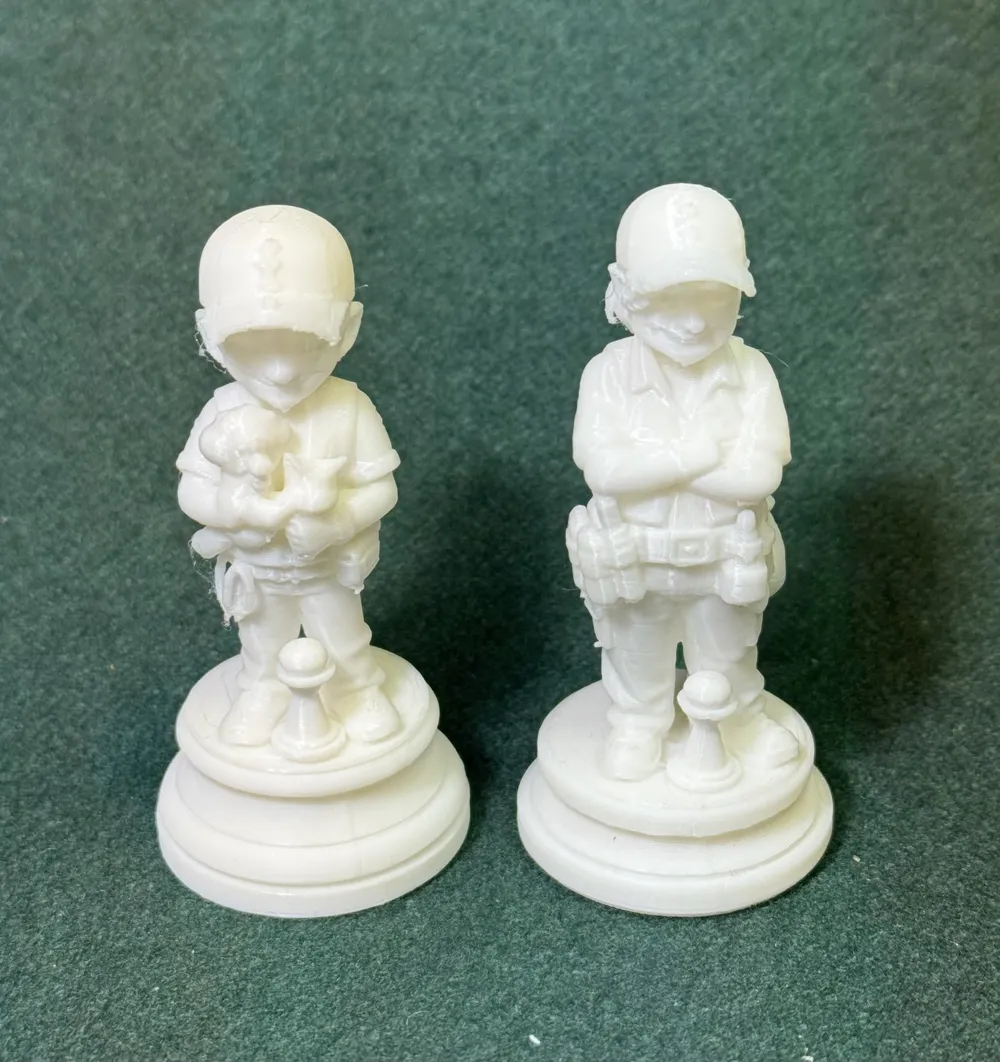
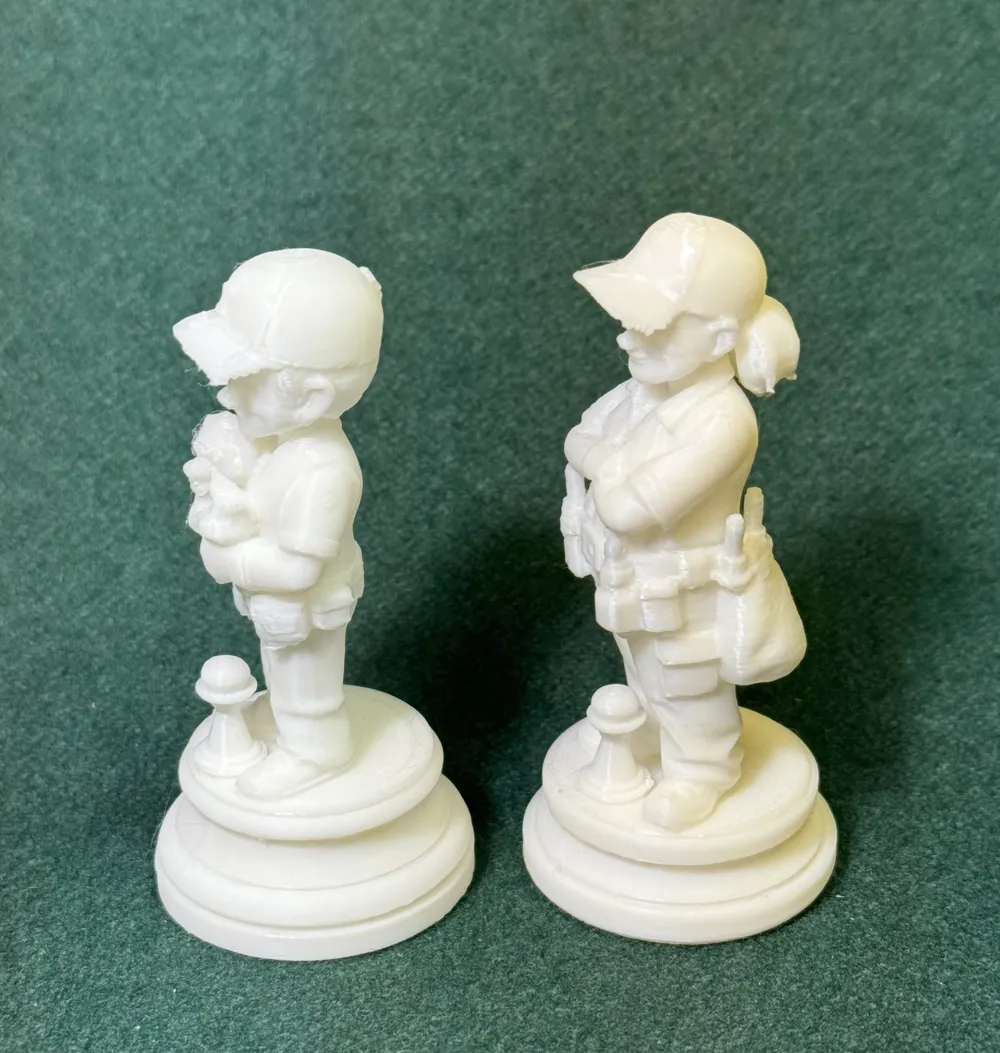
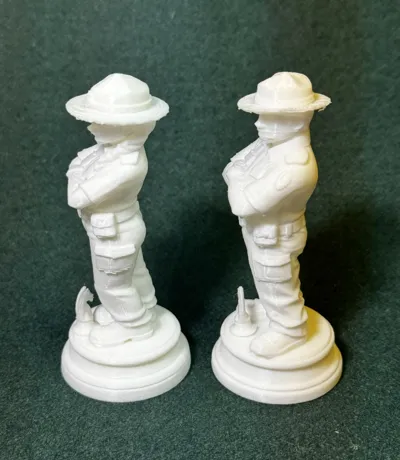
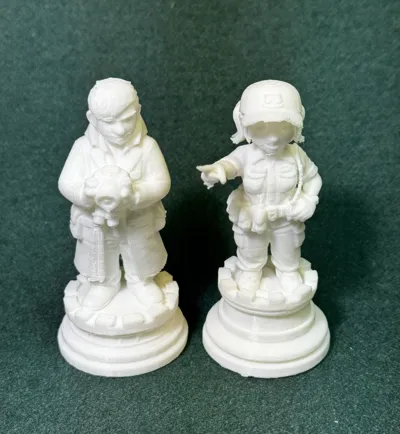
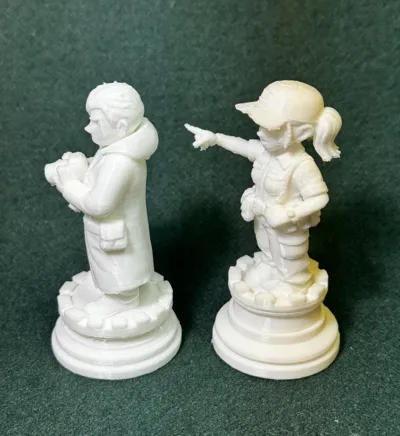
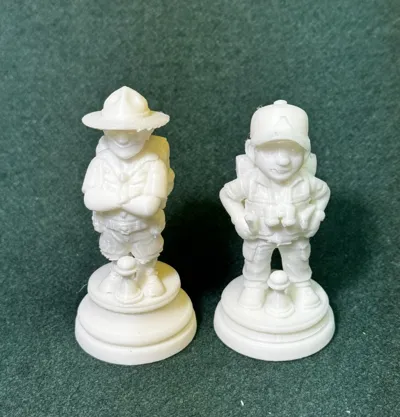
HUMANS ~ "HAC” Dogs vs Cats vs Varmints vs HUMANS: #24
Humans (H.A.C. — Human Authority Collective)
The Humans did not arrive by accident.
They arrived with clipboards, uniforms, and a very clear idea of how things were supposed to work.
The Human Authority Collective—H.A.C.—exists to organize, regulate, and maintain order in a world that keeps insisting on becoming complicated. They believe in structure. In roles. In lines that should not be crossed without permission. Where animals form bonds through instinct or survival, Humans rely on systems, procedures, and hierarchy.
They are not villains.
They are convinced they are necessary.
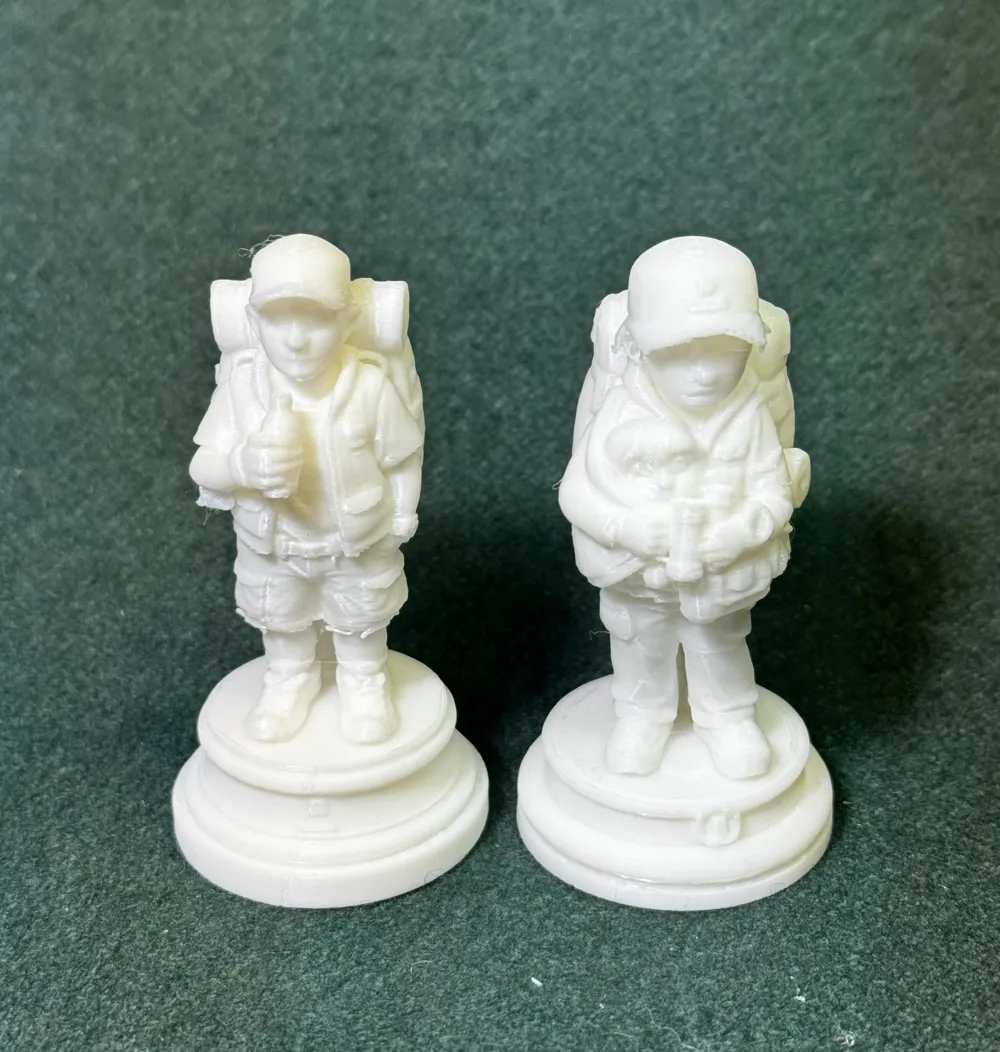
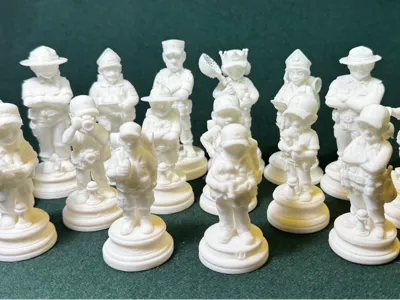
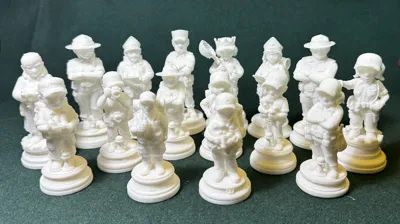
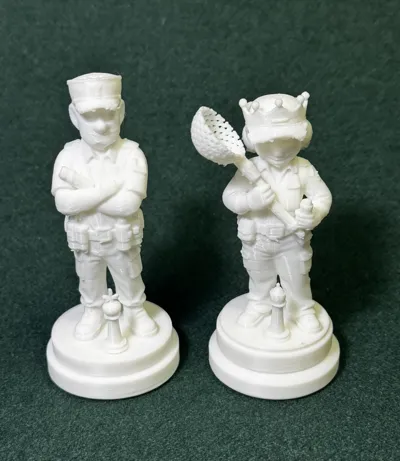
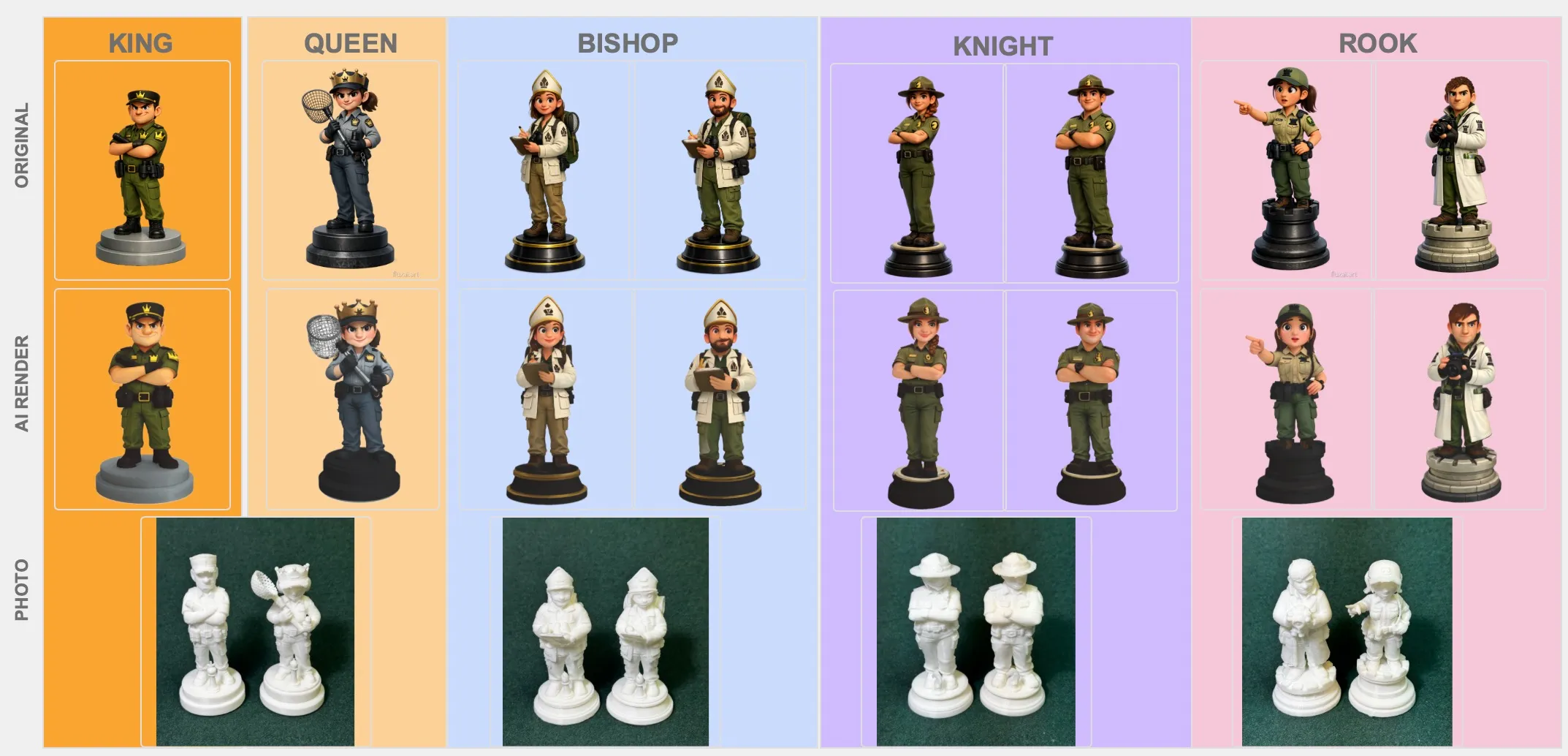
The rear line represents authority in its many forms—command, enforcement, observation, and control. Kings and Queens lead through legitimacy and position. Bishops interpret policy and intent. Knights enforce movement and action. Rooks stand as visible markers of institutional presence. Each believes their role is essential to keeping chaos at bay.
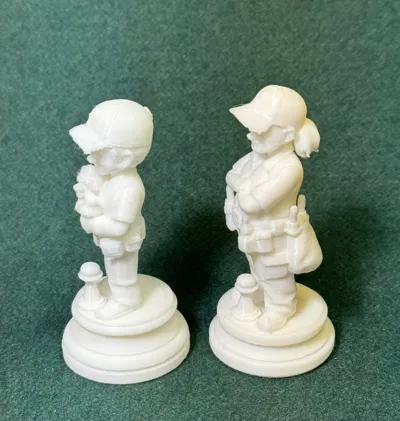
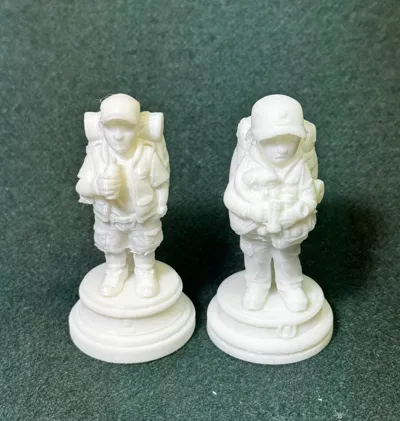
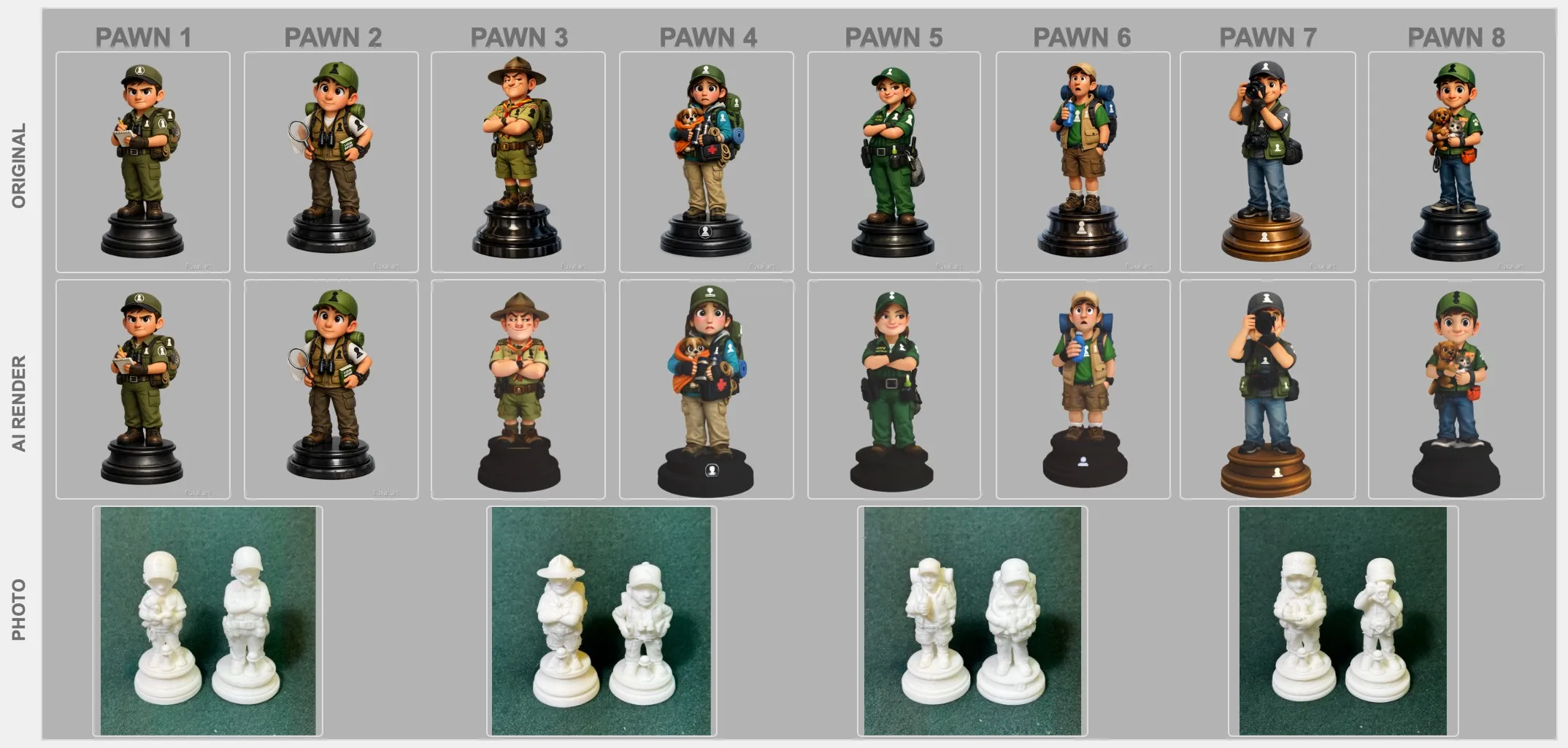
The pawns are the front-facing reality of that belief. They are field agents, volunteers, interns, trainees, and well-meaning operators—some idealistic, some weary, all carrying the weight of a system larger than themselves. They advance not out of ambition, but because they’ve been told it’s their turn.
On the board, Humans move with confidence born of structure. They trust the rules to protect them. They expect compliance. And when the system works, they appear unstoppable
When it doesn’t
they struggle to understand why.
OTHER SETS IN THIS CANINE vs FELINE SERIES
“Double Eights” ~ Show dogs bred for perfection… who quietly wanted more than ribbons.
https://makerworld.com/en/models/2309773-dogs-double-eights-canine-vs-feline-19
“Maybe” ~ West Side cats who didn’t envy dogs—only the attention they received.
https://makerworld.com/en/models/2310608-cats-maybe-canines-vs-felines-18c
"East Side Cats" If they are doing it, so will we.
https://makerworld.com/en/models/2320143-cats-east-side-cats-canine-vs-feline2-20
“East Side Ruffians” ~ Shelter-saved dogs who weren’t looking for status… just someone to play with.
https://makerworld.com/en/models/2339030-dogs-e-side-ruffians-canine2-vs-feline-21
“Second Rates” ~ Varmints: Skunks, possums, raccoons, and other self-aware opportunists who insist on joining the game.
https://makerworld.com/en/models/2343034-varmint-second-rates-vs-dogs-cats-humans-22
Printer Settings:
Take time to use these settings for optimal prints. Note: Smartphones and tablets cannot print with Tree supports, so use a PC for these settings.
Bambu Studio Settings
Printer Settings
• Nozzle Diameter → 0.4 mm
• Compatible Material → PLA+
Filament Settings
• Nozzle Temperature (first layer) → 205 °C
• Nozzle Temperature (others) → 200 °C
• Bed Temperature (first layer) → 60 °C
• Bed Temperature (others) → 50–55 °C
• Cooling Fan:
◦ Layer 1–2 → OFF
◦ Layer 3+ → 100%
Quality
• Layer Height (Standard) → 0.20 mm
• Initial Layer Height → 0.20 mm
• Line Width → 0.45 mm
• Elephant Foot Compensation → 0.15 mm
Speed
• First Layer Speed → 20 mm/s
• Outer Wall Speed → 35 mm/s
• Inner Wall Speed → 50 mm/s
• Infill Speed → 50 mm/s
• Travel Speed → 120 mm/s
Acceleration / Jerk
• Default Acceleration → 1000 mm/s²
• Outer Wall Acceleration → 500 mm/s²
• First Layer Acceleration → 300 mm/s²
• Travel Acceleration → 2500 mm/s²
• Jerk (XY) → 8 mm/s
Strength / Infill
• Wall Loops → 3
• Top Layers → 4
• Bottom Layers → 4
• Infill Density → 20%
• Infill Pattern → Gyroid
• Sparse Infill Anchor Length → 5 mm (🔔 Note: increase to 10 mm if you see weak infill connections)
Skirt & Brim
• Skirt Loops → 3
• Skirt Distance → 2 mm
• Skirt Layers → 1
Retraction
• Retraction Distance → 4 mm
• Retraction Speed → 40 mm/s
• Z-Hop → 0.2 mm
• Wipe While Retracting → Enabled
• Retract on Layer Change → Disabled
• Minimum Travel Before Retraction → 1.0 mm
Supports
• Support Style → Tree
• Top Contact Z Distance → 0.25 mm (detachable, fixed)
• Support Density → 15%
• Support Interface Pattern → Grid
• XY Distance → 0.5 mm
• First Layer Support Gap → 0.3 mm
Consider 'Annealing' your chess set.
Annealing your PLA models can improve strength by 10–20%. If you plan to use the set regularly, I highly recommend it. For display or occasional play, annealing is optional, and the appearance and finish remain unchanged.
🔗 More info: [Annealing PLA Prints for Strength — Easy Ways (All3DP)]
https://all3dp.com/2/annealing-pla-prints-for-strength-easy-ways/
Also . . .
You may want to alter the size of these chess pieces. Here is some information I found for that:
Chess Piece Size Comparisons:
• King = 100%
• Queen = 88% to 92% of King
• Bishop = 78% to 82% of King
• Knight = 75% to 78% of King
• Rook = 70% to 72% of King
• Pawn = 53% to 55% of King


License

You shall not share, sub-license, sell, rent, host, transfer, or distribute in any way the digital or 3D printed versions of this object, nor any other derivative work of this object in its digital or physical format (including - but not limited to - remixes of this object, and hosting on other digital platforms). The objects may not be used without permission in any way whatsoever in which you charge money, or collect fees.


Comment & Rating (0)