Search models, users, collections, and posts


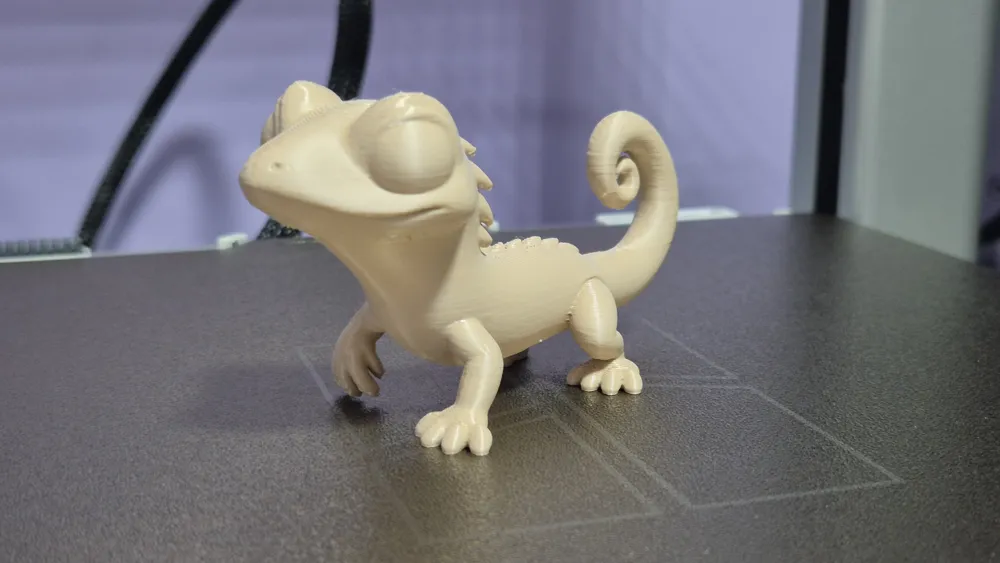
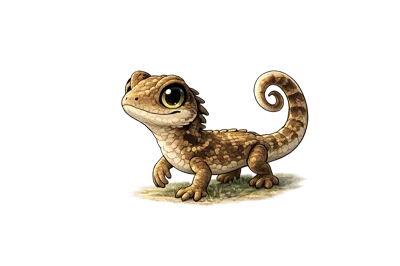
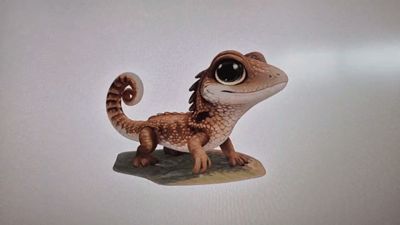
Cuban Lizard (Leiocephalus cubensis)
IP Report
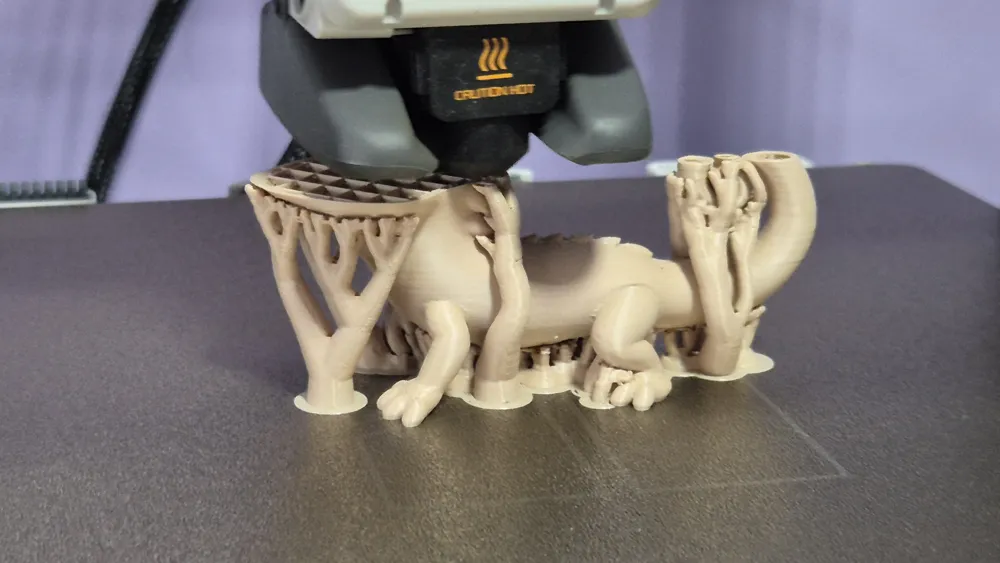
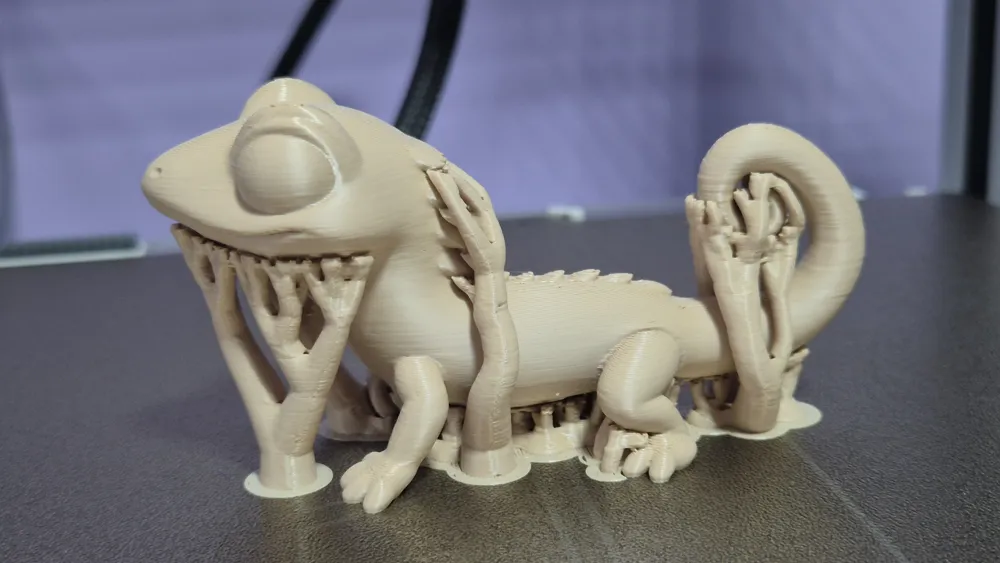
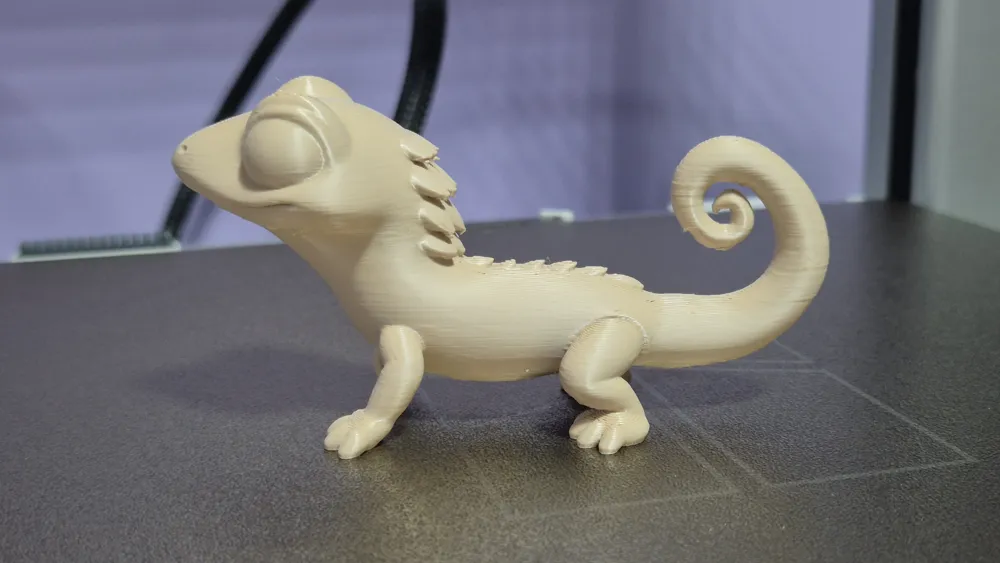
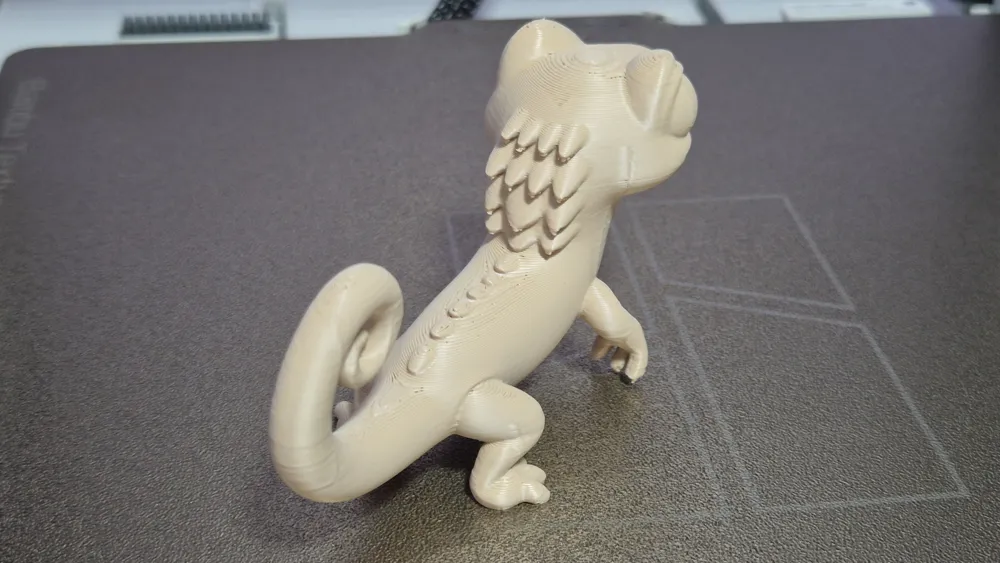
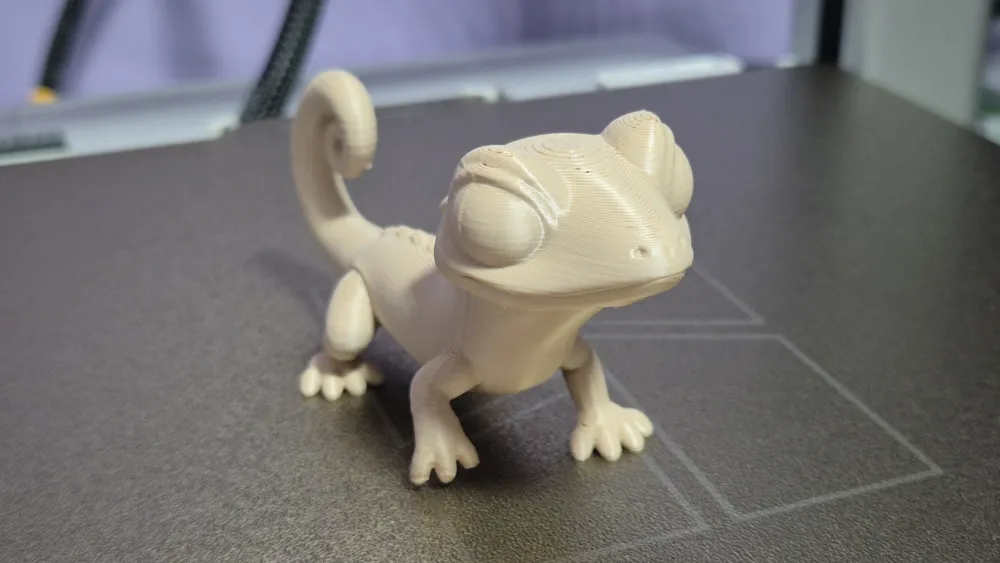
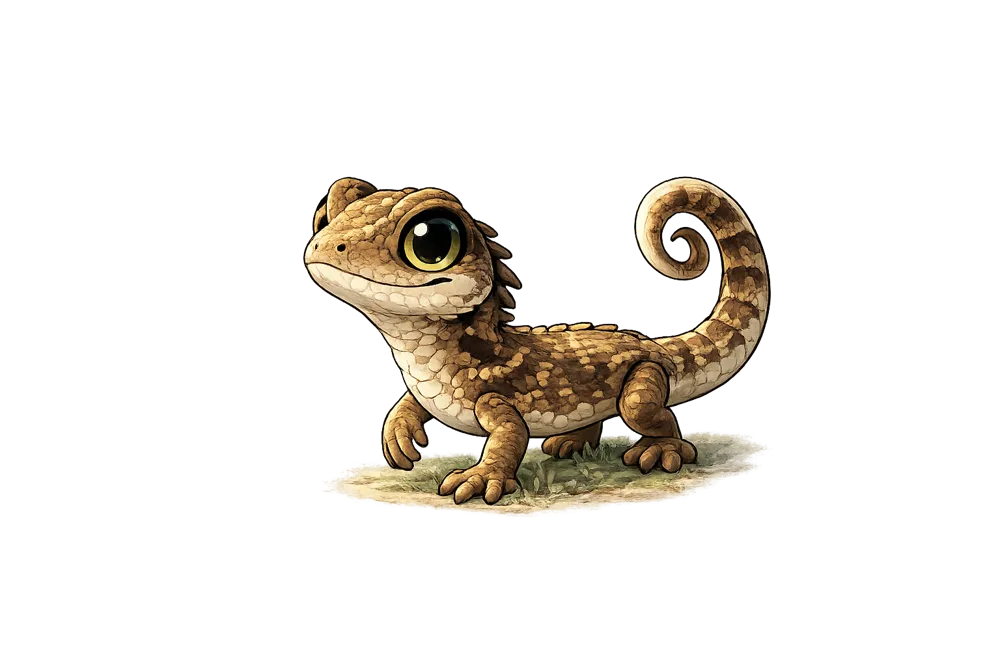

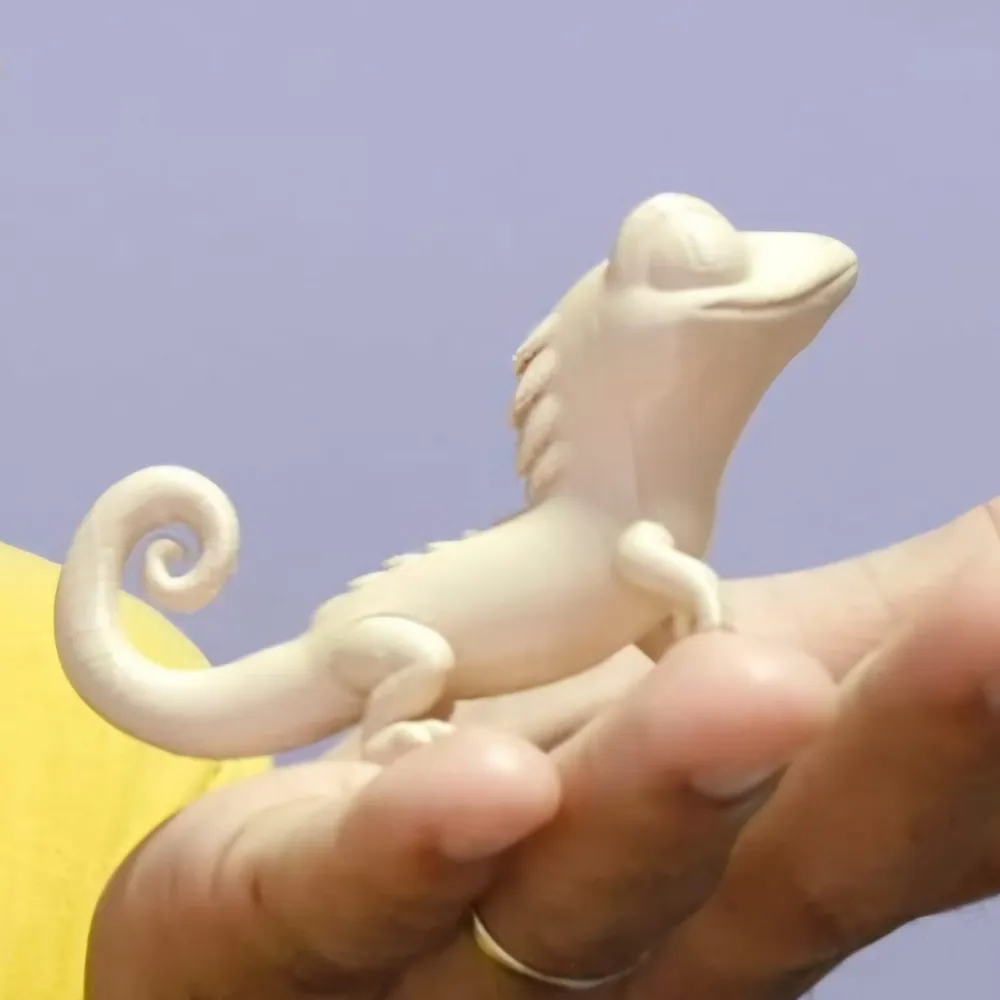
GIF

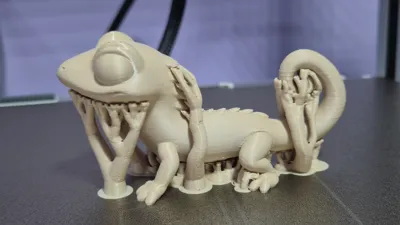
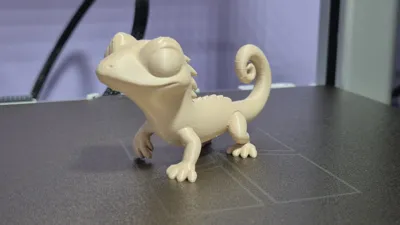
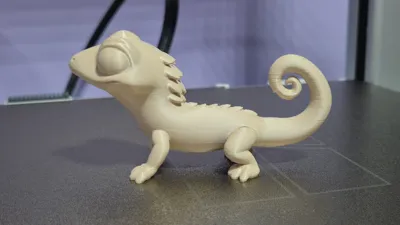
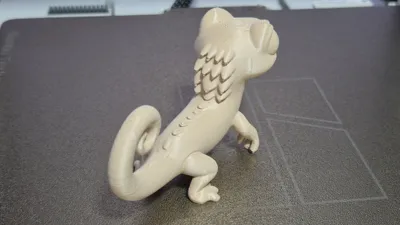
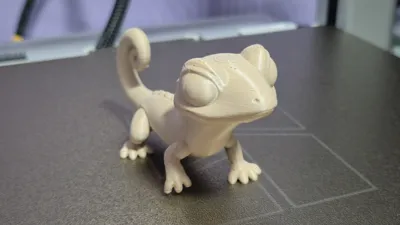
GIF
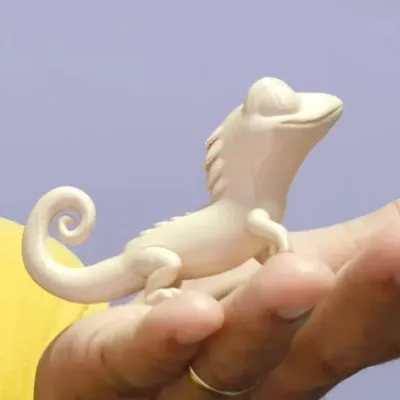
This model is created by Image to 3D
Make Your Model
Print Profile(1)
0.2mm layer, 2 walls, 15% infill
Designer
52.3 h
4 plates
Open in Bambu Studio
Boost
3
16
0
0
10
4
Released
Description
Content has been automatically translated.
You've found a classic example of Cuban fauna. This little guy is known as Lagartija de Cola Enroscada (or, in English, Curly-tailed Lizard).
The most likely scientific name for the one you saw in Varadero is Leiocephalus cubensis, a species endemic to Cuba, very common in gardens, beaches, and open areas.
🦎 "Citizen" Card
Here are the main details for you to get to know your new friend better:
| Attribute | Description |
|---|---|
| Common Name | Cuban Curly-tailed Lizard |
| Scientific Name | Leiocephalus cubensis |
| Family | Leiocephalidae |
| Habitat | Cuba (throughout the island, especially in sunny areas) |
| Diet | Omnivore (eats insects, flowers, fruits, and small lizards) |
| Size | Up to 25 cm (including tail) |
| Personality | Active, territorial, and very curious |
Why does it curl its tail?
This is their most fascinating characteristic. There are a few main theories among biologists:
- Predator Distraction: By curling and wagging its tail, the lizard draws attention to a non-vital part of its body. If a bird attacks the tail, it can detach (caudal autotomy), allowing the lizard to escape.
- Social Signaling: They use tail movement to show dominance or to communicate with others of the same species.
- Warning: It can serve to indicate to a predator that the lizard has already seen it and that an ambush is not worthwhile.
License

This user content is licensed under a
Creative Commons Attribution


Comment & Rating (0)