
Platonic Solid Joints
Print Profile(1)
Bill of Materials
- rods_diameter_3_length_50 x 1: 60
- rods_diameter_3_length_25 x 1: 30
Description
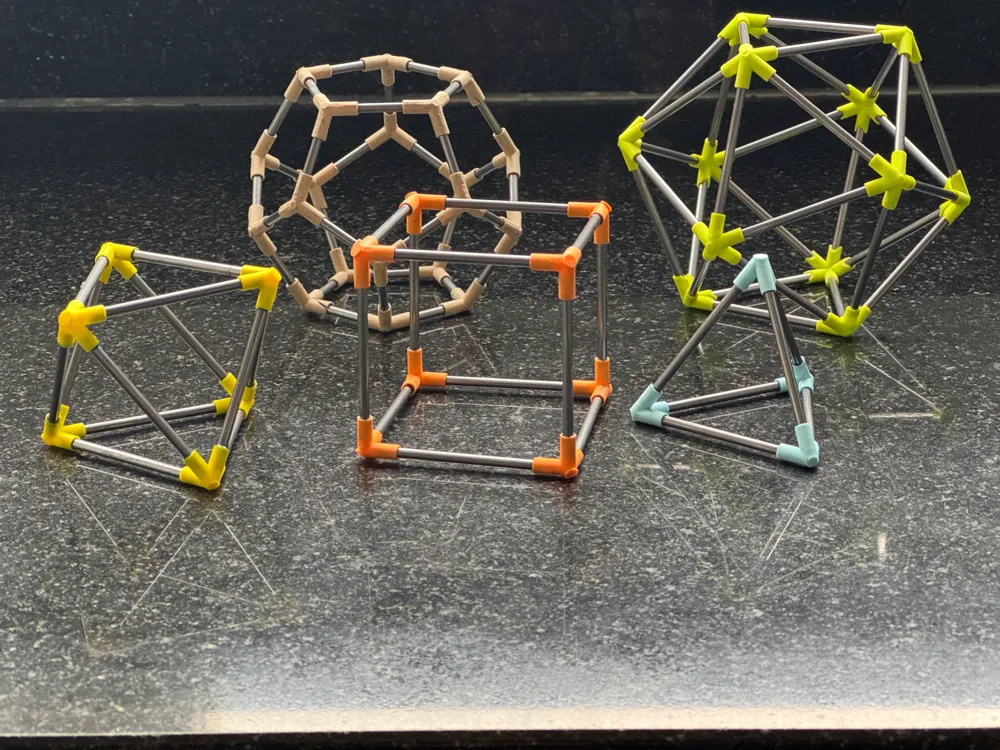
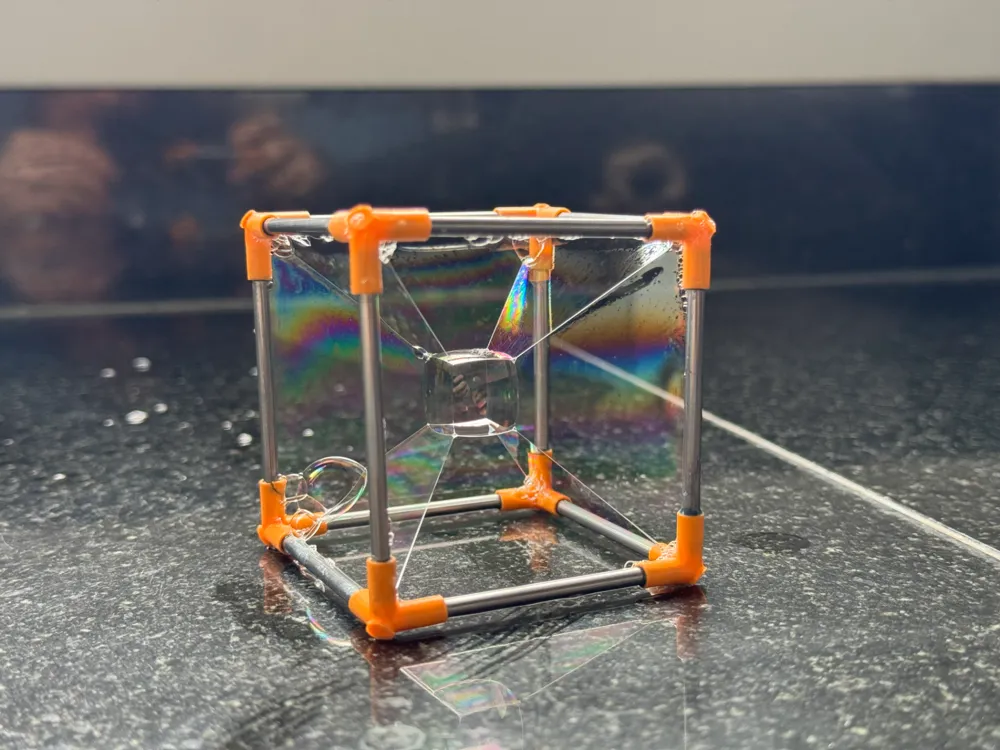
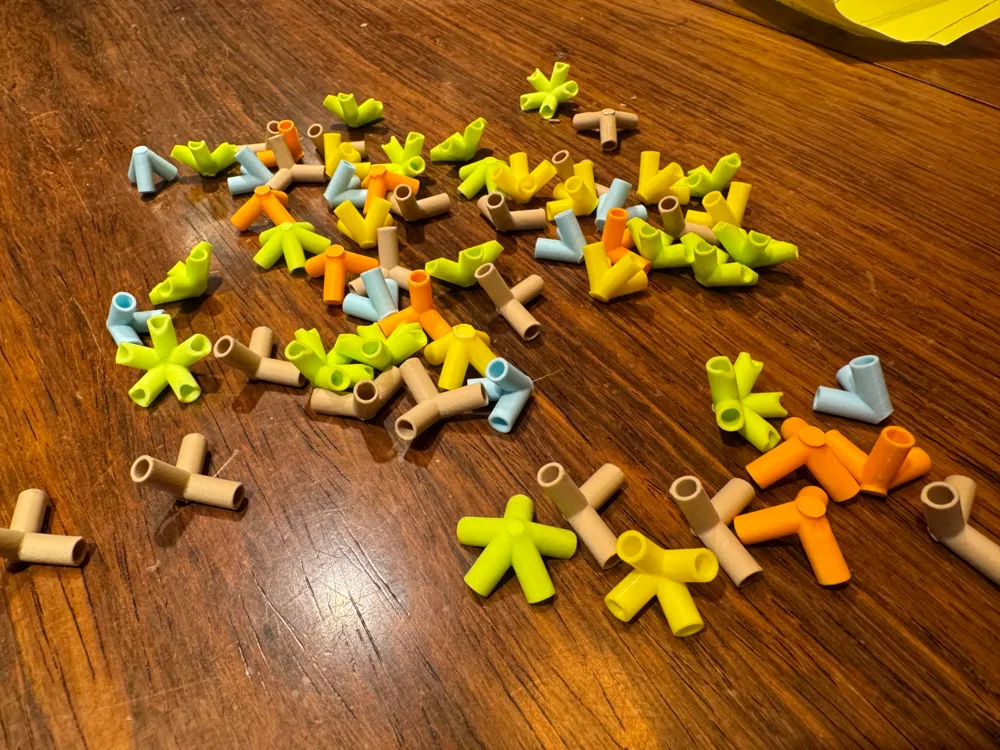
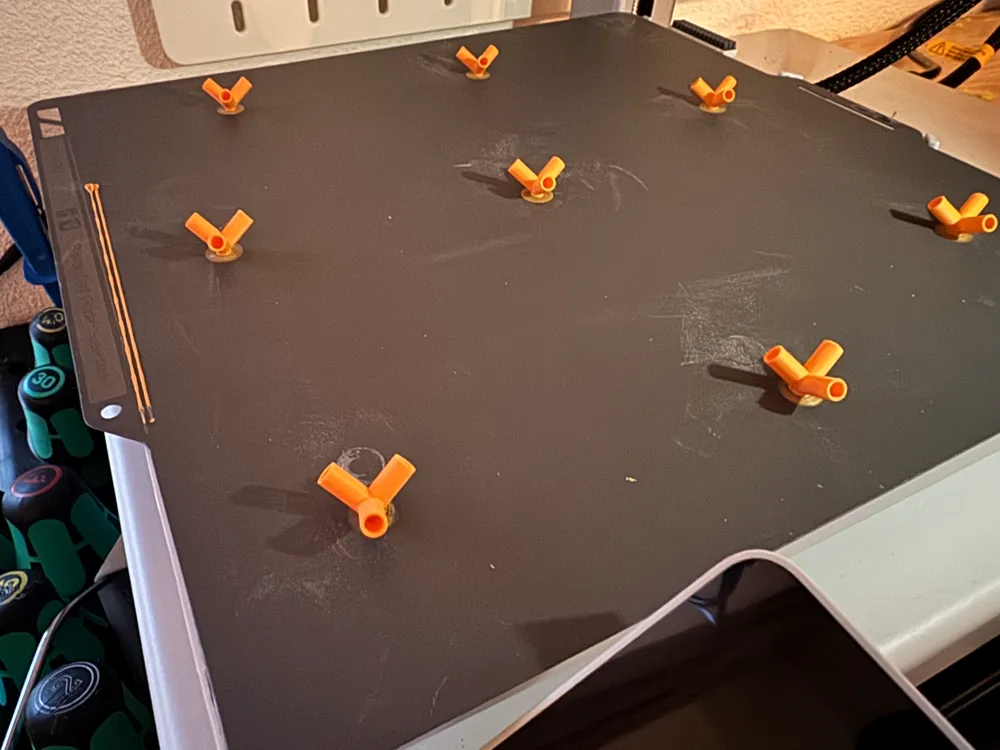
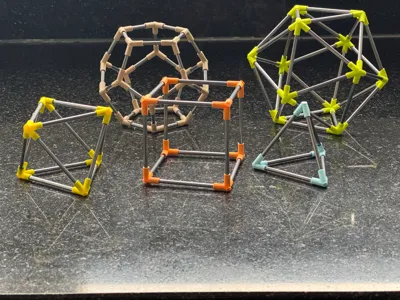
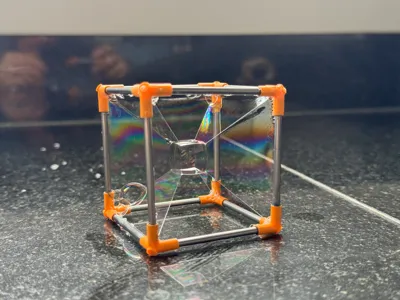
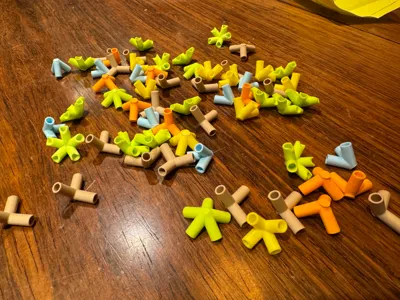
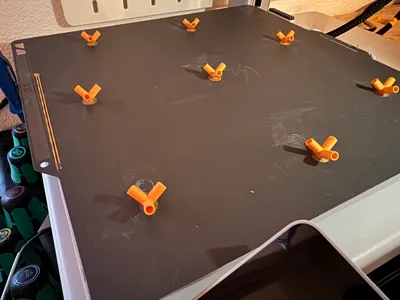
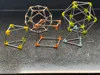
I wanted to create wireframe versions of the Platonic solids to learn what happens when capturing soap bubbles between them. I used an open‐source Python library to generate the shapes, as demonstrated in the accompanying script. Each joint features a small cylinder that can be used to secure it to the print bed.
I used steel rods that were 5 cm long and 3 mm in diameter (for the dodecahedron, I used rods measuring 2.5 cm).
I printed with PLA. PETG might be stronger, but it must be very dry to prevent excessive stringing.
- Plate type: Bambulab Supertack (Textured PEI plate works too, but set the initial layer speed slow.)
- Nozzle size: 0.2 mm (a 0.3 mm nozzle requires some modifications to the script, such as slightly increasing the outer diameters of the hollow cylinders)
- Parts per build plate: 9, oriented so that the small corner cylinder is positioned on the builtplate. Make a few extra, since they are easily damaged during assembly.
- Print sequence: “By object”
- Sparse infill: 25%
- Brim type: Outer brim only
- Brim width: 3 mm
- Brim–object gap: 0.05 mm
Glue is required to attach the rods to the joints. I used steel rods with Loctite, which worked perfectly. Be cautious with superglue—it might glue your hands together.
License

You shall not share, sub-license, sell, rent, host, transfer, or distribute in any way the digital or 3D printed versions of this object, nor any other derivative work of this object in its digital or physical format (including - but not limited to - remixes of this object, and hosting on other digital platforms). The objects may not be used without permission in any way whatsoever in which you charge money, or collect fees.


Comment & Rating (6)